





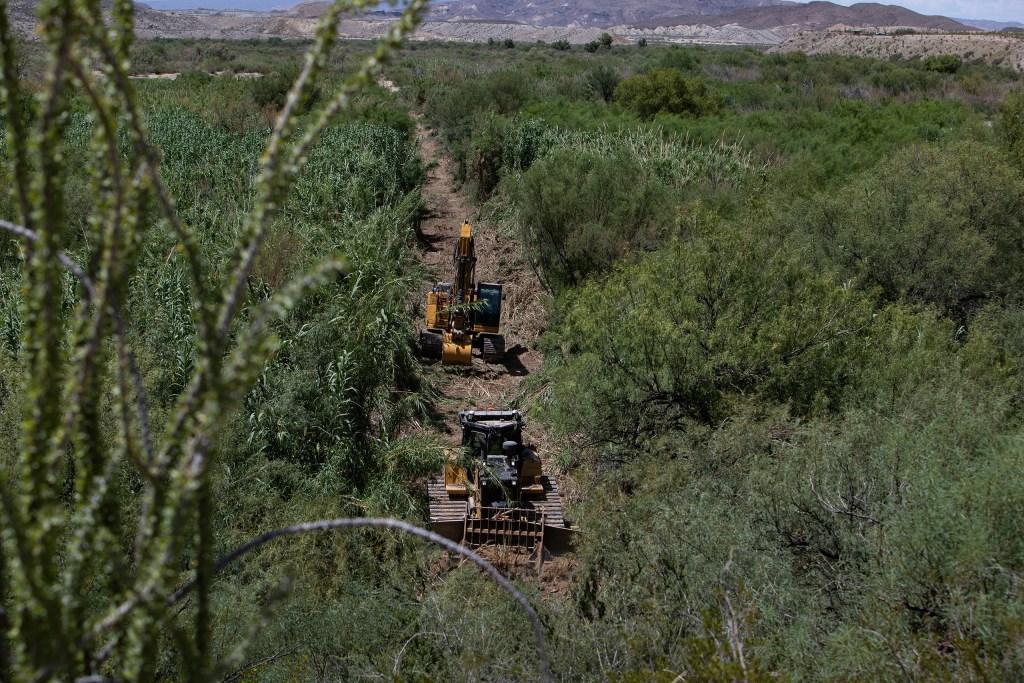
The Trump administration has intensified its efforts to construct border barriers in areas along the U.S.-Mexico border that are currently unprotected since the former president took office again in January 2025. One significant focus is the Big Bend region of West Texas, which encompasses the Big Bend National Park and Big Bend Ranch State Park, both of which have been earmarked for border security measures.
Despite this region historically recording the fewest illegal crossings along the entire southwest border, billions of dollars in contracts have been awarded to develop various infrastructure aimed at deterring illegal immigration. Residents of West Texas have been assured that no border wall or fence will be erected within the national park, yet there remains a strong opposition from local inhabitants, environmental advocates, and a bipartisan group of local officials, including sheriffs and county judges, who are calling for an end to all construction activities.
Details of Construction Plans in the National Park
In August, U.S. Customs and Border Protection (CBP) initiated preliminary work in the national park, stating that crews were conducting surveys and planning to build an access road along with vehicle barriers. CBP emphasized the need for construction to enhance border security while maintaining visitor access and protecting the natural landscape.
CBP Commissioner Rodney Scott remarked that the infrastructure improvements would enable agents to detect illegal crossings more effectively and respond promptly to emergencies involving park visitors. However, following significant public backlash, Scott announced a temporary halt to construction on August 17, allowing for an on-site evaluation and discussions with local stakeholders. The pause, as detailed in a court filing, is set to last until August 31.
Understanding Illegal Crossings in the Region
Contrary to claims made by former U.S. Department of Homeland Security Secretary Kristi Noem, the Big Bend Sector remains the least active of all Border Patrol sectors. It spans 77 Texas counties and 517 miles of the U.S.-Mexico border, including state and national parks. In the most recent fiscal year, the sector recorded only 3,096 migrant encounters, accounting for merely 1.3% of the total apprehensions along the entire border. The downward trend in apprehensions is notable, with a 42.5% decrease observed in the first seven months of the current fiscal year compared to the previous year.
Plans for Border Barriers
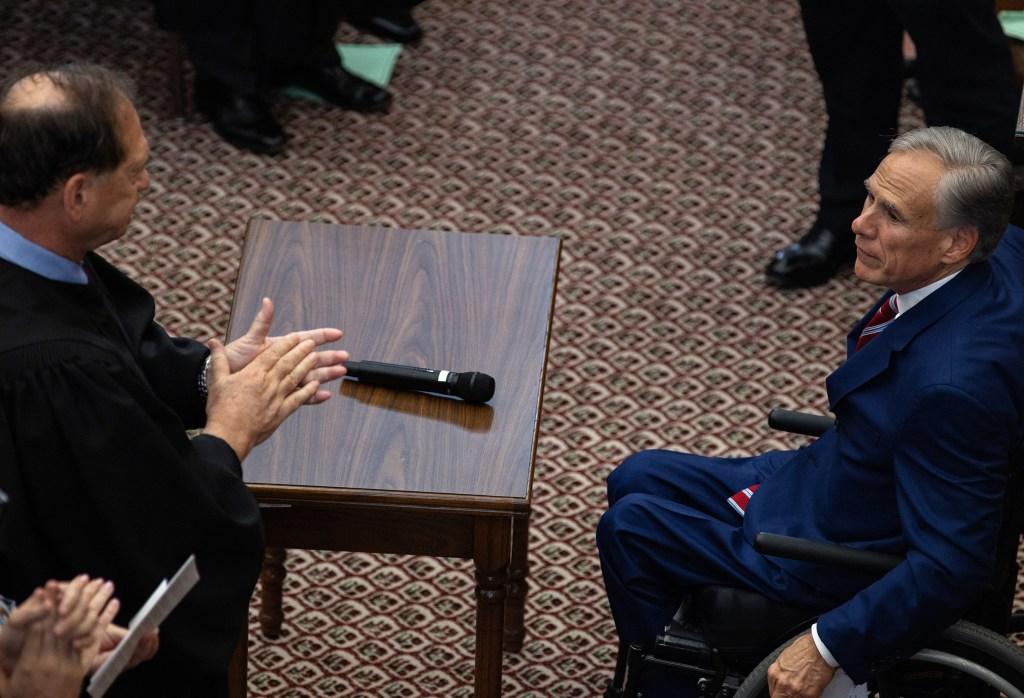
Officials from the Trump administration have confirmed that no towering 30-foot barriers will be constructed within the national park. Instead, they plan to implement alternative deterrents such as vehicle barriers and technological measures to monitor illegal crossings. Scott pointed out the impracticality of erecting a wall on natural formations like the towering granite cliffs in the area. Governor Greg Abbott also indicated that no such barriers would be installed in the park, following discussions with DHS Secretary Markwayne Mullin.
Confusion Over Project Details
Public confusion regarding the project has arisen from frequent changes in CBP’s plans, which have only been accessible through their website. The awarded contracts specify border barriers, yet officials have stated that the final plans are subject to change based on the needs of Border Patrol agents. Additionally, landowners have reported receiving notices from CBP threatening eminent domain seizures of their properties without clear explanations of the intended use.
Border Barriers Beyond the Park
CBP has confirmed that border barriers will be installed on private lands outside the parks. An interactive map on CBP’s website reveals that contracts have been awarded for 30-foot barriers in Hudspeth, Jeff Davis, and Presidio counties, with construction starting on September 15 in Hudspeth County.
Opposition to Construction Efforts
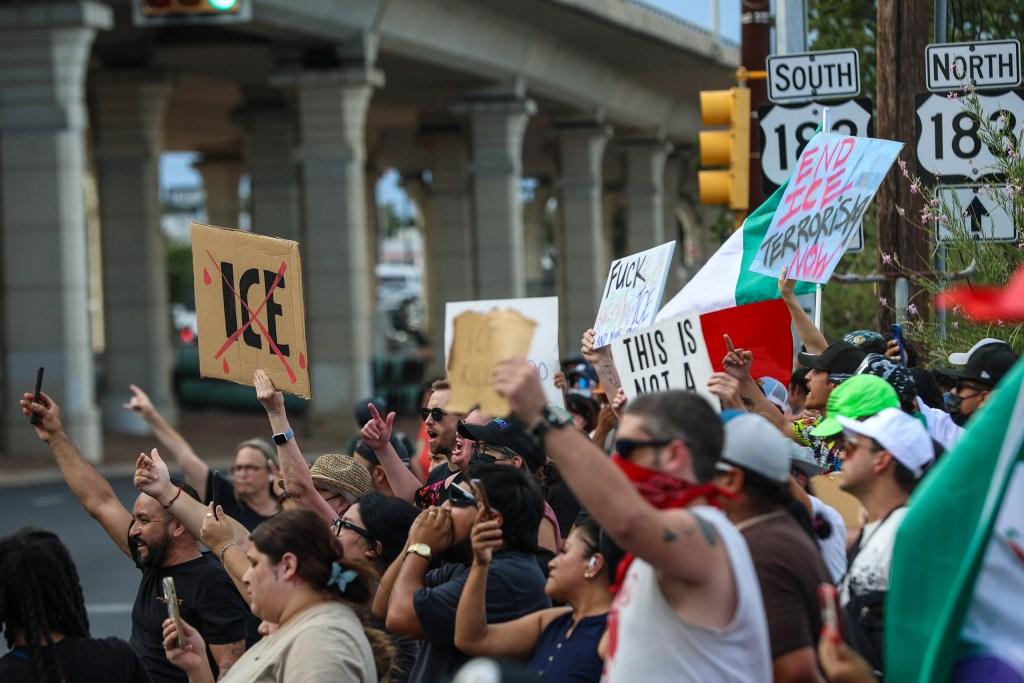
Opposition to the Trump administration’s initiatives has been widespread and bipartisan. Many local residents argue against any form of border infrastructure, stating that it is unnecessary in a region that is generally safe and isolated. Landowners facing potential property seizures express concern over losing their farms and homes. Environmentalists warn that construction could disrupt fragile desert ecosystems and threaten endangered species. Historical preservationists fear that construction activities could damage sites of cultural significance to Native American and Mexican families.
A coalition of local elected officials has urged the administration to engage with community leaders to explore alternative border security measures that do not involve a wall. An open letter from sheriffs across several counties highlighted their belief that a continuous physical barrier would not be an effective approach to border security in the Big Bend region. State officials have also called for a re-evaluation of the plans.
Legal Challenges to Construction
Opponents have initiated multiple lawsuits aimed at halting the federal government’s construction efforts. A recent lawsuit filed by landowners and the nonprofit Conserve Big Bend in a federal court contends that the need for border protection is overstated and legally flawed. Other legal actions include a suit from the People of La Junta for Preservation, which argues that the construction violates U.S. law and threatens religious freedoms.
In addition, various preservation groups and local residents have taken legal action, asserting that constructing a wall on existing levees could exacerbate flooding risks. The pushback continues as the community grapples with the implications of these border security initiatives.