





Concerns are mounting regarding two significant affordability initiatives proposed by Texas Governor-elect Gina Hinojosa. These initiatives include an executive order aimed at freezing utility rates and the distribution of relief checks to residents. Experts are warning that these measures could inadvertently lead to higher costs for both consumers and the state.
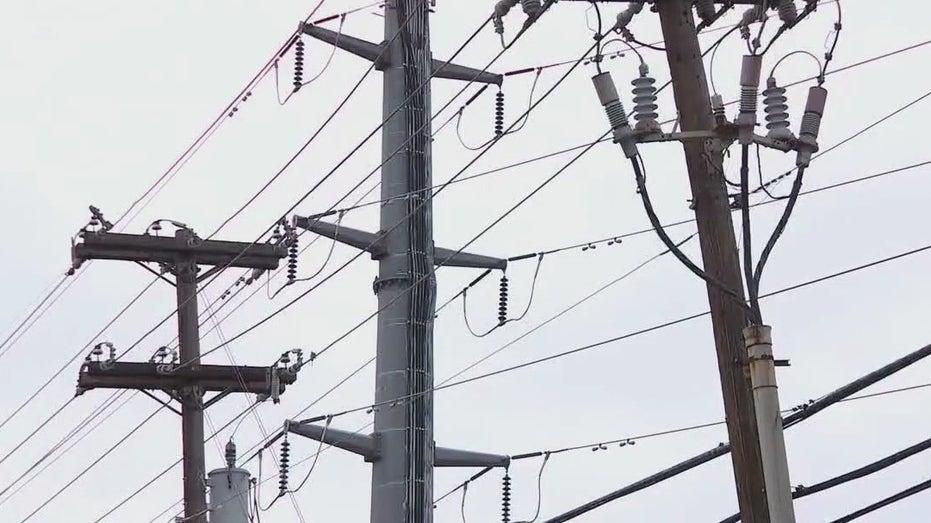
During her campaign, Hinojosa emphasized the need to address affordability issues, yet experts caution that the implementation of these promises may prove financially burdensome. The proposed freeze on electricity rates for homeowners and renters is intended to fulfill her affordability pledge.
Electricity Rate Freeze: Expert Skepticism
Energy expert Ed Hirs, affiliated with the University of Houston, has expressed doubts about the feasibility of a price cap on electricity rates. He argues that such a measure is not an effective solution. Hirs points out that electricity prices in Texas are heavily influenced by the operations of ERCOT (Electric Reliability Council of Texas) and the Public Utility Commission, which typically raise prices during periods of high demand to incentivize new power plant construction. Previous attempts to alter this financial framework have not been successful.
In 2021, Governor Abbott appointed Peter Lake as chairman of the Public Utility Commission, who initially called for a complete overhaul of the ERCOT market model. However, the legislature and Governor Abbott did not support his proposal, resulting in his resignation. Recently, ERCOT’s CEO, Pablo Vegas, reiterated the need for changes to the market model.
Hirs warns that Hinojosa’s planned High-Cost Emergency Declaration could backfire during extreme weather events, potentially leading to energy shortages and rolling blackouts. Local utilities are already facing rising costs for equipment, which may hinder their ability to maintain infrastructure and expand services, potentially leading to significant challenges in the coming months.
Relief Checks: Tax Implications and Legislative Hurdles
Another aspect of Hinojosa’s affordability strategy involves issuing $1,500 relief checks to every Texas household. However, these payments could be classified as taxable income by the IRS. While Hinojosa’s emergency declaration might mitigate some tax implications, political analyst Matthew Wilson notes that such tax exemptions are usually reserved for natural disasters.
The definition of what constitutes an emergency is a contentious issue that raises questions about the use of emergency powers by elected officials. Wilson highlights a trend in recent years where executives, ranging from the President to governors and mayors, have increasingly relied on emergency powers to expand their authority.
A legislative proposal from State Senator Roland Gutierrez estimates that approximately 11 million households, including undocumented residents, would qualify for the relief checks. The projected cost of this initiative is around $17 billion, which would draw significantly from the state’s Rainy Day Fund, reducing its balance from $27 billion to approximately $10 billion.
Wilson emphasizes the need for caution in defining emergencies, distinguishing between genuine exceptional circumstances and routine political maneuvering. To enact the relief checks, a two-thirds majority in both the House and Senate is required. Although Democrats will hold a majority in the upcoming legislative session, they will still need bipartisan support from Republican lawmakers to pass the measure.