








The recent election may have concluded, but the effort to hold Texas officials accountable is just beginning. A new report advocates for the state to promote two-parent households and fatherhood, alongside essential parenting skills. It also suggests establishing the Governor’s Office for Families and a commission focused on fatherhood.
The report from the Texas Commission on Marriage and Family, released this month, proposes a shift in state policy from funding safety net programs such as food assistance and child protective services to initiatives that empower families to thrive without government aid.
Additional recommendations from the commission include preparing young Texans for marriage and parenting, investing in child savings accounts, and prioritizing mediation in divorce cases.
Established by a Republican-led Texas government in 2025, the commission has been an advocate for the traditional two-parent family model. It is composed of leaders from conservative think tanks, legal professionals, and clergy, appointed by Governor Greg Abbott and Lieutenant Governor Dan Patrick. With a divided legislature, where Democrats control the Texas House and Republicans hold a majority in the Senate, the commission’s proposals may face significant challenges in the upcoming 2027 legislative session.
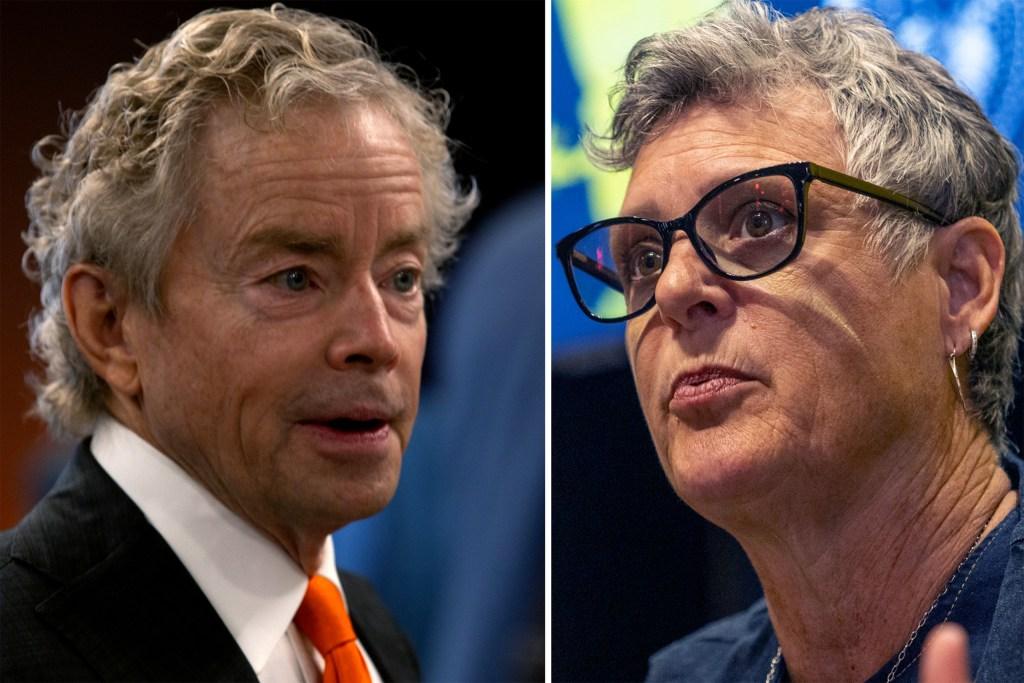
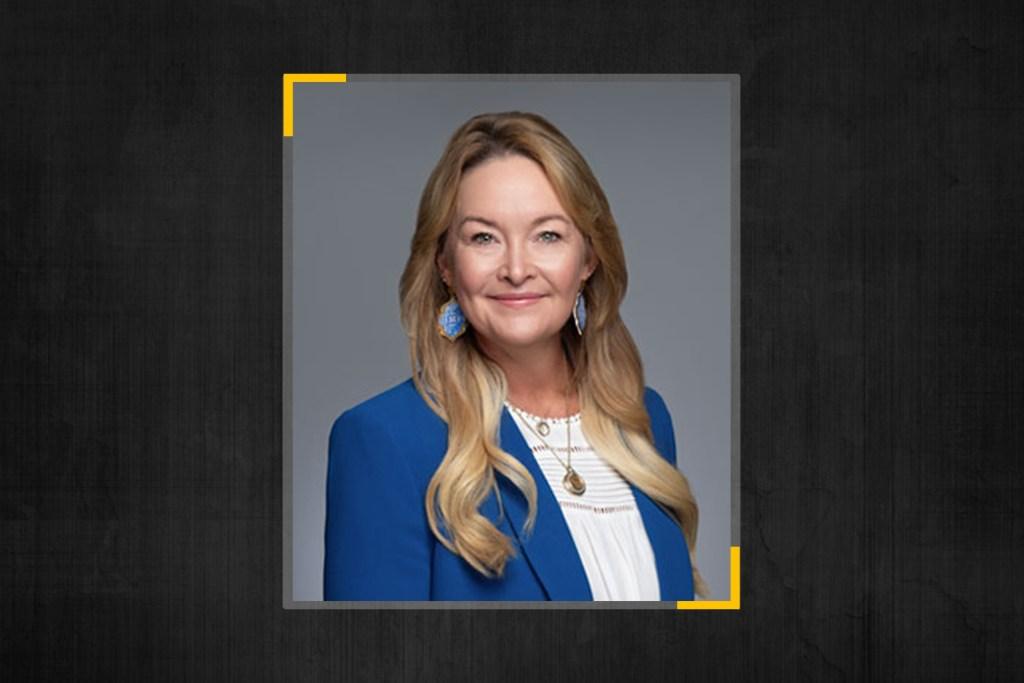
Vikki Goodwin, the Democratic Lt. Gov.-elect, chose not to comment, while responses from Gov.-elect Gina Hinojosa’s office were not received in time for publication.
Chair of the commission, Carl Caton, is optimistic that the proposals will be viewed positively across political lines. Caton, who founded the San Antonio Marriage Initiative in 2009, stated, “Family and marriage have been contentious issues for a generation. In all that time, we’ve overlooked the opportunity to focus on strengthening families. This is not a partisan issue; every parent cares about their children.”
Throughout the year, the commission discovered that slightly more than half of Texas children reside with both biological parents, while marriage rates in the state plummeted by 45% between 1990 and 2022.
Brandon Rottinghaus, a political science professor at the University of Houston, noted that regardless of the independent commissioners’ intentions, the report emerged from a conservative administration with specific policy goals. Democrats may seek a fresh perspective on these matters, but they will be constrained by time and the current split in government, which could hinder further analysis.
“It’s like a Rorschach test for the new legislature,” Rottinghaus remarked. “The way you frame it affects your interpretation. It began as a bipartisan commission and could remain so — if lawmakers can find common ground. Some aspects have the potential for bipartisan support, while others may be quite partisan.”
As lawmakers prepare for the upcoming legislative session, they will likely selectively adopt recommendations that align with their agendas, meaning the comprehensive report may not be fully integrated into Texas law anytime soon.
The commission identified correlations between higher rates of youth violence, substance abuse, and reliance on SNAP benefits with divorced parents or those who never married. They concluded that fragmented family structures contribute to an increased dependency on government support systems.
“When families fail or do not form, it creates a need for downstream systems to address those failures,” Caton explained.
A 2008 analysis from the Georgia Family Council and the Institute for American Values highlighted that divorced families cost Texas approximately $2.9 billion in social services, a figure likely to have increased since then, according to the Texas commission.
The report intentionally refrains from providing a rigid definition of family, aiming instead to focus on elements that foster stability and enhance the quality of life for children. It advocates for strengthening families from the outset, irrespective of their structure, rather than intervening only after they encounter difficulties. This approach could ultimately reduce state expenditures and improve the lives of Texas children.
The commission outlined a five-part strategy recommending actions for state offices, funding opportunities, and statewide policies, each based on successful models from other states.
One pivotal recommendation is the establishment of the Governor’s Office of Families, which would oversee family-related decision-making in Texas, mirroring successful initiatives in states like Utah.
Additionally, Alabama and Minnesota have created university-based family centers that explore innovative solutions to familial issues. Caton believes Texas could replicate this model and lead in supporting robust family units.
The state is also advised to reallocate and generate funding for local initiatives that engage families within their communities, facilitating access to resources such as parenting classes and fatherhood support groups through grants and partnerships with nonprofits.
Policy recommendations also encompass online child safety, foster care, adoption processes, and comprehensive reforms to family courts that emphasize low-conflict resolutions.
One significant challenge identified by Rottinghaus pertains to funding, as the report lacks a specific budget allocation. For instance, ensuring compliance with the Temporary Assistance for Needy Families federal program, which assists families facing crises like incarceration or homelessness, could necessitate nearly $5 million for family strengthening initiatives, which may be difficult to secure.
However, lawmakers have already begun to propose enhancements to online safety for children, which stands out as a key policy focus of the family commission’s report. This initiative is likely to gain traction in the current session.
“The Legislature has limited capacity to address substantial policy matters,” Rottinghaus concluded. “At most, they might tackle one medium and one large issue in a session. This process can span several sessions, and lawmakers must be judicious in their selections, especially given the current political climate.”