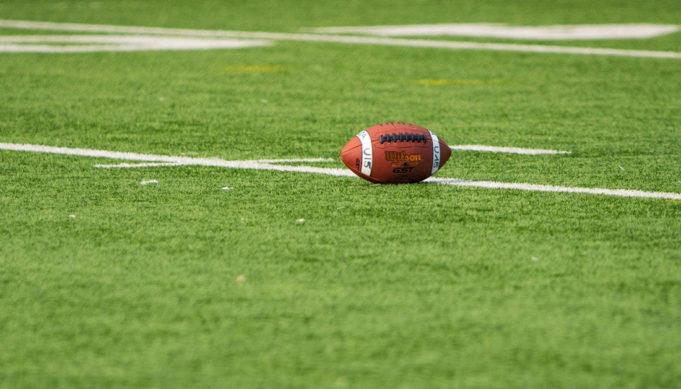







Texas high school football and the inaugural round of the College Football Playoffs concluded an exhilarating week of action on the gridiron.
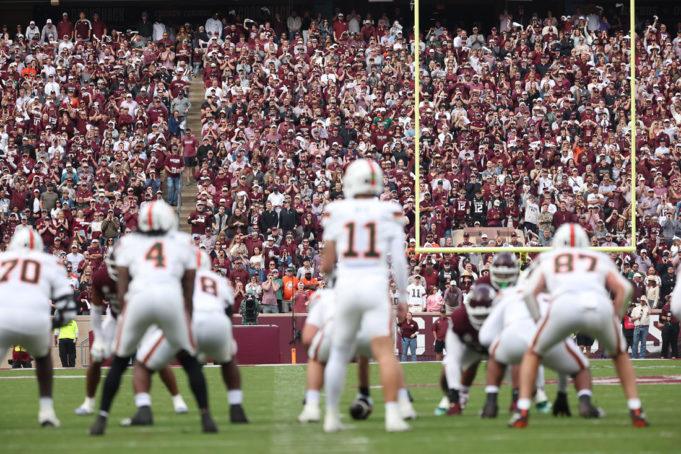
Despite the Aggies’ defeat, their attendance at Kyle Field marked the second largest in college football playoff history. The holiday season, filled with festive cheer and anticipation, also highlights the significance of amateur football.
This week was particularly eventful for North Texas as JerryWorld in Arlington hosted the state finals for all levels of Texas high school football. Meanwhile, College Station and Norman held opening-round playoff games during the first weekend of postseason major university football. Among the youth teams, the Stephenville Yellowjackets claimed their seventh state-finals trophy. The most compelling narrative in Texas athletics this year was the South Oak Cliff Golden Bears, who appeared in their fifth consecutive state title game and clinched their third championship in as many years. This inner-city team has emerged as a modern dynasty, which is a remarkable achievement amidst the dominance of affluent suburban teams.
In the highest classification, Duncanville faced off against North Shore for the sixth time this season, ultimately losing 10-7. Meanwhile, Desoto triumphed over C.E. King, securing the school’s fourth state championship and third in four years. Notably, Desoto competes against larger schools despite having the option to play in 5A, where teams like Aledo and Highland Park compete, which is quite impressive.
Unfortunately for local teams, the excitement ended there. The eighth-seed Oklahoma Sooners, who are often seen as an extension of Texas football, hosted ninth-seed Alabama to kick off the legitimate college postseason. The Sooners started strong, building a 17-point lead over the Tide, but an unexpected fumble during a punt changed the course of the game. After Alabama’s first touchdown, a routine punt turned disastrous when punter Grayson Miller mishandled the snap, allowing Alabama to score a field goal from the turnover. A subsequent interception thrown by John Mateer led to a tied game at halftime. Ultimately, Alabama scored 24 unanswered points, sealing a 34-24 victory and advancing to the quarterfinals against unbeaten, top-seeded Indiana. The game highlighted both teams’ struggles in rushing, but Oklahoma’s mistakes proved costly once again in playoff history.
Moving to Saturday morning, a different kind of battle unfolded, marked by strong defenses. Texas A&M welcomed the Miami Hurricanes to Kyle Field, a venue renowned for its intimidating atmosphere. However, the game was defined by a lack of scoring, with neither team finding the end zone by halftime. The contest, though low-scoring, was anything but dull as both teams struggled to convert opportunities, missing several field goals.
As the game progressed, Miami finally broke through with a touchdown after over 58 minutes, courtesy of a reverse play involving standout receiver Malachi Toney, who had previously fumbled. With time running out, the Aggies made a desperate drive but fell short when quarterback Marcel Reed threw his second interception in the end zone on a third-and-goal play.
Miami’s running game, led by Mark Fletcher Jr., was pivotal in the match. He amassed 172 yards on 17 carries, averaging over 10 yards per touch. In a game where offensive consistency was elusive, this performance made all the difference.
Despite an impressive season, Texas A&M must now confront criticisms regarding their path to the playoffs, given their relatively easy schedule. Their recent loss to Texas and defeat by Miami, a two-loss team from the ACC, casts a shadow over their achievements this season.
While I previously stated that Miami was the least deserving team in the playoffs, I still recognize their talent. The Hurricanes faced challenges this season, losing to Louisville and SMU, while teams like TCU performed better against common opponents. This is the nature of the sport, and despite the outcome, the thrill of competition remains.
Looking ahead, Miami will face a formidable Ohio State team in the quarterfinals, a squad hungry for redemption after missing out on a Big Ten championship. This matchup promises to be a clash of titans.
As the playoffs progress, two higher-seeded teams have already fallen, and home-field advantages have been squandered. The 11th-seed Tulane faced a tough opponent in Ole Miss, suffering a lopsided defeat of 41-10. The Green Wave struggled to keep pace with the Rebels, who easily converted short passes into significant yardage. Tulane managed only a field goal in the first half and scored a late touchdown in garbage time.
James Madison encountered a similar fate against Oregon, trailing 34-3 by halftime. Although the Dukes rallied in the fourth quarter, scoring on their final three possessions, they ultimately fell 51-34, a score that belies the Ducks’ dominance throughout the game.
The presence of teams like Tulane and James Madison in the playoffs raises questions about the established collegiate football hierarchy. While they rightfully earned their spots, many wonder if more competitive matchups could have emerged from traditional powerhouses. Yet, the potential for an underdog to upset a favored opponent continues to make college football compelling.
As we approach the next phase of the playoffs, the Cotton Bowl featuring Miami and Ohio State is set for New Year’s Eve, with three other games scheduled for New Year’s Day, including Texas Tech against Oregon. The Red Raiders aim to join TCU and Texas as the third school from Texas to win a college football playoff semifinal.