





Caprock Canyons State Park has officially received the designation of an International Dark Sky Park, making it the fifth location in Texas to achieve this status. This recognition highlights the park’s efforts to minimize light pollution and protect the beauty of the night sky.
Situated in Quitaque, Texas, northeast of Lubbock, Caprock Canyons joins an exclusive group of parks and natural areas acknowledged by the International Dark-Sky Association (IDA) for their commitment to preserving natural darkness.
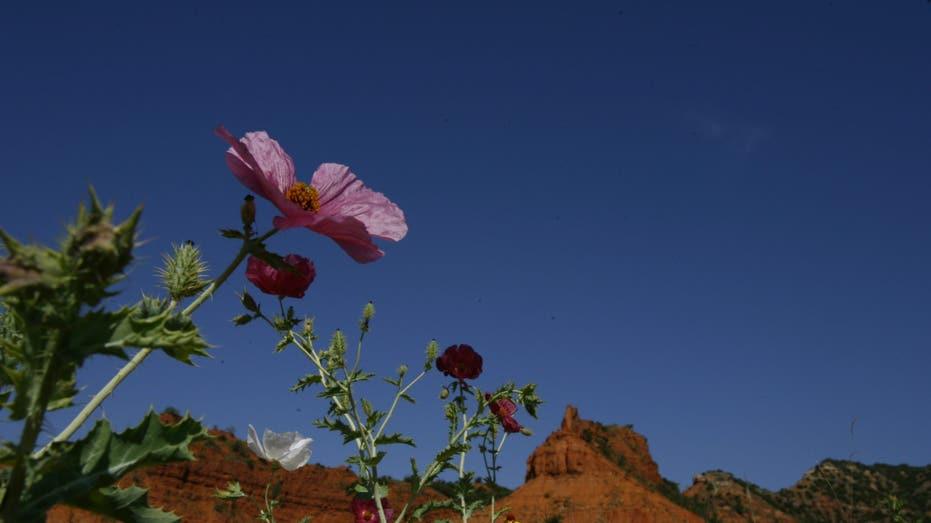
Visitors to Caprock Canyons can enjoy its 90 miles of trails, where they might encounter bison roaming the plains and bats taking refuge in the Clarity Tunnel. The park’s rugged landscape is complemented by its proximity to Palo Duro Canyon State Park, enhancing the area’s natural allure.
Donald Beard, the Park and Historic Site Superintendent for Caprock Canyons State Park and Trailway, expressed pride in the team’s dedication throughout the lengthy process of achieving the Dark Sky designation. “It took each and every one of them to buy-in and work toward the ultimate goal of the certification,” Beard stated.
In Texas, parks that earn the Dark Sky Park designation are recognized for their implementation of high-quality outdoor lighting, effective policies to mitigate light pollution, and ongoing stewardship initiatives. Alongside Caprock Canyons, the state is home to two International Dark Sky Sanctuaries and four other International Dark Sky Parks, which include:
- Big Bend Ranch State Park Complex, near the southern border of Texas;
- Copper Breaks State Park, north of Abilene;
- South Llano River State Park, west of Austin;
- Enchanted Rock State Natural Area, also west of Austin.
The first International Dark Sky Sanctuary in Texas, Devils River State Natural Area, received its designation in 2019. This growing recognition of dark sky areas reflects a broader commitment to preserving the night sky for future generations.