







Discover the Architectural Beauties of San Antonio, Texas
San Antonio, Texas, a vibrant city steeped in rich history and cultural diversity, offers an architectural landscape that narrates the tale of its evolution over centuries. Unique structures blend a mix of Spanish colonial architecture with modern design, providing a captivating experience for architecture enthusiasts. Walking tours through the city reveal not just beautiful buildings but also the stories behind them, making it an ideal destination for both visitors and locals looking to explore the urban fabric and learn about its architectural significance.
In a city that is known for its lively atmosphere, rich history, and a strong sense of community, walking tours focusing on architecture allow participants to slow down and appreciate the intricate details and historical context of each structure. Whether you’re drawn to historic missions, opulent 19th-century facades, or modernist masterpieces, San Antonio has something for everyone who appreciates fine architecture.
Highlights of San Antonio’s Architectural Styles
The architecture in San Antonio is as diverse as its inhabitants. From Spanish colonial missions and Victorian-era homes to contemporary skyscrapers, each building contributes to the city’s narrative. Exploring these architectural highlights offers insight into the influences that shaped the city and its structures.
Spanish Colonial Missions
San Antonio is home to five remarkable Spanish missions, recognized as a UNESCO World Heritage Site. Among these, the Alamo stands as the most famous, serving as a symbol of Texas independence. The missions were built in the 18th century and are excellent examples of Spanish colonial architecture, characterized by adobe walls, wooden beams, and tiled roofs.
Visitors can embark on the Mission Trail, which is approximately 8 miles long, connecting all five missions: Mission San Antonio de Padua, Mission San José, Mission San Juan Capistrano, Mission Espada, and the iconic Alamo. Each mission features its own unique architectural style and history, showcasing intricate stonework, beautiful courtyards, and religious art.
As you walk between these historical sites, the lush landscapes and ancient trees create an immersive experience, making you feel as though you’ve traveled back in time. The missions not only serve as beautiful architectural examples but also as vital pieces of San Antonio’s cultural identity, providing a glimpse into the life and faith of the early settlers.
Victorian and Neo-Classical Styles
Transitioning from the colonial period, the Victorian era introduced a wave of architectural change in the city. The vibrant colors and intricate details of Victorian architecture are evident in various neighborhoods such as King William Historic District and Southtown. Noteworthy structures include the Steves Homestead and the Villa Finale, both displaying the ornate features typical of this period.
The Gothic revival style is also prominent in many local buildings, highlighted by pointed arches, elaborate facades, and decorative motifs. The Guenther House, with its stunning views over the San Antonio River, is a must-see for enthusiasts of both architecture and history. Originally built as a flour mill in the late 19th century, its architecture tells tales of progressive industrial change and the growth of San Antonio’s economy.
Furthermore, the rise of Neo-Classical architecture can be observed in the numerous buildings designed with grand columns, symmetrical shapes, and expansive domes. The McNay Art Museum, housed in a stunning Spanish Colonial Revival style mansion, showcases not only artistic works but also its own architectural significance. These architectural styles collectively reflect San Antonio’s journey through time, blending classic designs with the richness of its cultural heritage.
Modern Architecture: Blending Tradition and Innovation
As San Antonio continues to evolve, modern architectural styles have begun to shape the skyline, presenting a striking contrast to the historical structures. The blend of tradition with innovation is a hallmark of the city’s architectural evolution, revealing how contemporary practices can pay homage to heritage.
Contemporary Skyscrapers and Design
San Antonio’s skyline features a handful of notable skyscrapers that showcase modern architectural techniques and design philosophies. The Frost Tower, completed in 2019, is a testament to the city’s growing economy and ambition. The 23-story glass tower presents a sleek and innovative look, embodying the city’s mix of tradition and modernity. Its environmentally friendly features and artistic design resonate with the city’s focus on sustainability and innovation.
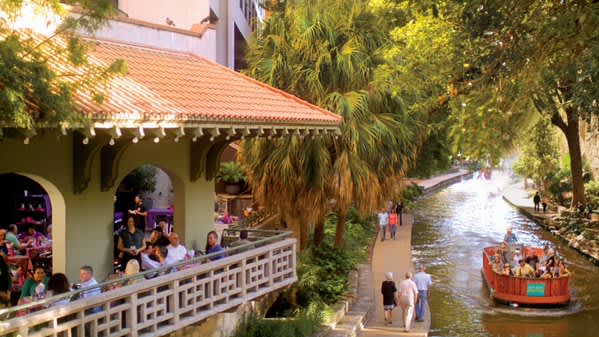
Another significant addition to San Antonio’s architectural repertoire is the San Antonio River Walk’s numerous bridges and public spaces, which feature contemporary design elements that complement the environment. These modern developments prioritize pedestrian pathways, public art, and leisure spaces that integrate seamlessly with the natural landscape, fostering a sense of community gathering.
Moreover, San Antonio’s cultural institutions, such as the San Antonio Museum of Art and the MAA Centro Cultural, have embraced innovative design approaches that attract not only visitors but also architecture lovers eager to explore how contemporary architecture can convey cultural narratives. These structures often include engaging outdoor spaces that encourage interaction, art installations, and leisure, thus enriching the visitor experience.
The Importance of Preserving Historical Integrity
While modern innovations are crucial for any city’s growth, it is equally important to focus on preserving the historical integrity of San Antonio’s architectural landscape. The city emphasizes its commitment to maintaining and restoring its historical buildings, ensuring that future generations can appreciate the artistry and history embedded in these structures.
Local organizations, such as the San Antonio Conservation Society, play a vital role in advocating for preservation efforts, providing resources, and informing the public about the significance of historical landmarks. This endeavor not only protects the architectural integrity of the city but also fosters a sense of pride among residents.
The combination of new developments alongside restorations of existing structures allows San Antonio to balance progress with tradition. Walking tours often highlight this aspect, showcasing well-preserved buildings alongside modern constructions that echo the past through contemporary design choices, ensuring a seamless architectural narrative.
Walking Tours: The Best Way to Experience San Antonio’s Architecture
Undoubtedly, walking tours offer an unparalleled way to experience the architectural magnificence of San Antonio. Local guides enrich the experience with stories, historical context, and fascinating anecdotes, providing depth to the visual beauty that can be seen on the surface. These tours typically vary in focus, catering to different interests and providing an opportunity to explore the city’s architectural diversity.
Personalized Guided Tours
Personalized guided tours can be arranged for smaller groups or even individuals, allowing architecture enthusiasts to tailor their experience based on specific interests. Enthusiastic guides often specialize in various architectural styles or areas of focus, offering insights that can transform a simple walk into an enlightening journey through San Antonio’s history.
These tours can also accommodate different levels of mobility, ensuring that everyone can participate in appreciating the stunning structures, learning about their significance, and capturing them through photography. From the richly detailed facades of downtown buildings to the serene landscapes of historic missions, each tour provides a unique perspective on the city’s architectural evolution.
Self-Guided Tours and Apps
For those who prefer to explore at their own pace, self-guided tours are a popular option in San Antonio. With the rise of smartphone applications, several engaging and informative walking tour guides are available for download, allowing users to receive commentary and learn about the buildings as they navigate through the city. These applications often include maps, images, and historical context, creating an immersive experience without the need for a formal guide.
Such self-guided walking tours enable enthusiasts to delve deeper into specific areas of interest, whether it’s modern architecture, historical sites, or specific architectural details that fascinate them. Visitors can pause for photographs, snack breaks, or even explore nearby shops and restaurants without feeling rushed.
Conclusion: Experience the Intersection of History and Modernity
Exploring the architectural landscape of San Antonio through walking tours is not just a journey through the city but also a journey through time. Each district, mission, and building reflects the rich tapestry of history, culture, and innovation that defines this Texas gem. From the rustic charm of Spanish Colonial missions to the sleek lines of modern skyscrapers, San Antonio presents a stunning array of architectural beauty waiting to be uncovered.
For those with a passion for architecture, San Antonio stands out as a city where every corner tells a story, every building has a purpose, and every pathway leads to new discoveries. Whether you’re a lifelong resident or a first-time visitor, stepping into the city’s architectural narrative promises an enriching experience that highlights the vibrant interplay between history and modernity in this dynamic Texan metropolis.