







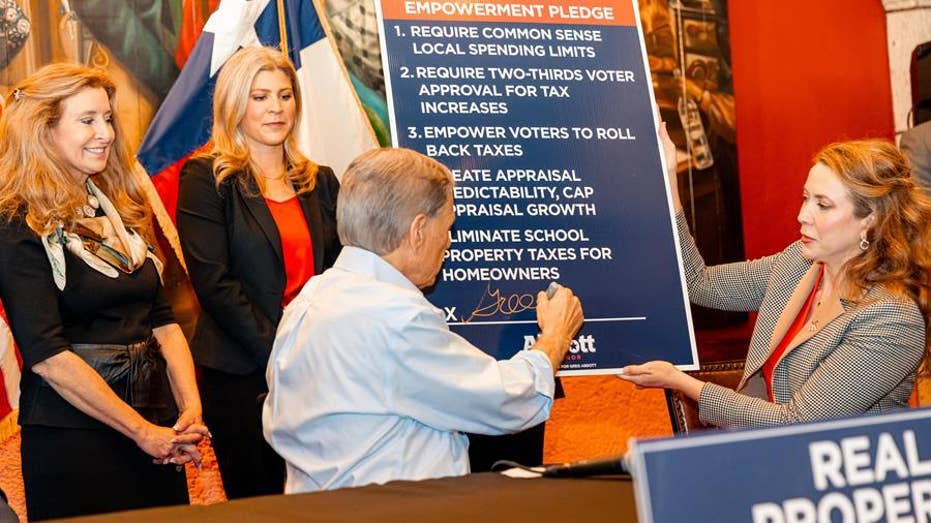
Texas Governor Greg Abbott has unveiled a comprehensive five-point plan aimed at reforming the state’s property tax system. During a Taxpayer Empowerment event in Houston, Abbott criticized previous tax relief measures for failing to provide lasting benefits to homeowners. His proposal features strict limits on local government spending, tighter controls on property appraisal growth, and a pathway to abolish school district property taxes for homeowners.
The plan is designed to impose a cap on local spending and restrict annual property appraisal increases to a maximum of 3%. It also seeks to amend the constitution to eliminate school district taxes for homeowners and mandates property appraisals every five years rather than annually.
Abbott was joined at the event by several Republican state lawmakers and Genevieve Collins, the Texas director for Americans for Prosperity, a conservative advocacy group. Collins emphasized the need for permanent reforms to curb local government spending, noting that property taxes consistently rise.
The governor, who has held office since 2015, asserted that his plan would protect taxpayers from excessive local tax hikes and ensure that state relief measures are not undermined by increased local expenditures. He highlighted that Texas had already implemented what he described as the largest property tax relief package in the nation, totaling $51 billion during the last legislative session. However, he argued that further structural reforms are essential to prevent future tax increases by local governments.
Key Elements of the Five-Point Plan
Abbott’s five-point property tax relief plan consists of the following key initiatives:
- Implementing Local Spending Limits: The first point of the plan proposes “common sense” limits on local government spending, capping growth to the lesser of population growth plus inflation or 3.5%. Abbott cited Harris County’s nearly 14% property tax increase over the last two years as evidence of the need for these restrictions.
- Voter Approval for Tax Increases: The second component requires two-thirds voter approval for any local property tax hikes before they can be enacted. Abbott emphasized that no tax increase should be implemented without a public vote.
- Allowing Voter Rollbacks: The governor’s third point proposes enabling voters to roll back local property taxes if 15% of registered voters in a jurisdiction sign a petition to trigger an election.
- Creating Appraisal Predictability: The fourth point suggests modifying the appraisal process to reduce unpredictability in tax bills. The proposal includes appraising properties once every five years and lowering the cap on annual homestead appraisal growth from 10% to 3%, extending these limits to all property types.
- Eliminating School Property Taxes: Finally, Abbott’s plan would allow voters to decide through a constitutional amendment whether to eliminate school district property taxes for homeowners. He argued that the state should take on the financial responsibility for public education, which would significantly reduce homeowners’ property tax bills.
Abbott called for voters to hold lawmakers accountable in the upcoming election cycle if they oppose his proposal, emphasizing the importance of cutting taxes for families and small businesses. He stated that the plan aims to ensure taxpayers retain more of their hard-earned income.
As property taxes remain a critical issue for Texas voters, Abbott plans to actively campaign across the state to garner support for his proposal, drawing parallels to his previous advocacy for school choice legislation.