









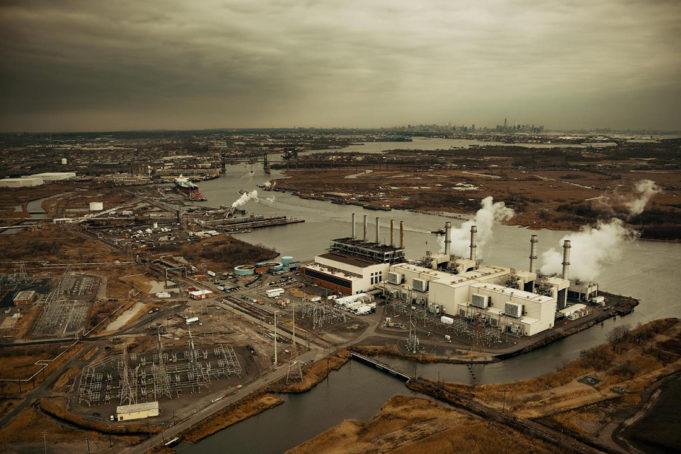
Resource-efficient industrial growth allows factories to increase output and create jobs while minimizing their use of water and energy per unit produced. This approach is particularly crucial as the Electric Reliability Council of Texas (ERCOT) anticipates a significant rise in demand, forecasting around 367,790 megawatts by 2032—far exceeding the peak demand of 85,508 megawatts recorded in August 2023. Such projections underscore the urgency for major consumers to adopt more efficient practices, especially in light of Texas water planning that assumes extreme drought conditions as a realistic possibility rather than a rare occurrence.
The prospect of balancing growth with conservation is not only possible but has already been demonstrated. Between 2005 and 2014, the Texas Water Development Board reported a decrease in statewide manufacturing water usage, even as economic output increased. Future improvements will rely on enhanced measurement techniques, water reuse strategies, efficient pumping systems, smart motion controls, diligent maintenance, and strategic investments.
Can North Texas Manufacturing Expand Without Increasing Resource Use?
Yes, North Texas manufacturing has the potential to grow without a linear increase in resource consumption. Even if total usage rises at a rapidly expanding facility, the consumption per product can significantly decrease. For instance, a plant that doubles its production while only increasing electricity consumption by 20 percent has achieved a substantial efficiency gain. Improvements can be realized through various strategies, such as fixing leaks, minimizing idle times, aligning output with actual demand, recapturing heat, and reusing process water.
Understanding water access goes beyond merely paying a bill. Manufacturers exploring options like private wells, surface water withdrawals, land acquisition, or long-term supply contracts must familiarize themselves with water rights and relevant permits, which can vary greatly depending on the source and location. The ultimate goal is to pursue responsible growth rather than striving for zero consumption at any cost.
Where Do Factories Use the Most Water and Energy?
Factories typically incur the highest water and energy consumption in areas such as heating, cooling, pumping, compressed air production, cleaning, material processing, and general building services. The specific balance of usage differs by industry; for example, food processing facilities may require more water for sanitation, while metal fabrication shops often consume more electricity through machinery and compressed air systems.
Much of the waste is often concealed within routine operations. For instance, an oversized pump may operate at full capacity while flow is restricted by a valve, and compressors might maintain excessive pressure due to undetected leaks. Additionally, cooling water may be discarded after a single use, even when it remains viable for further applications. Key consumption points include:
- Heating and cooling processes: Furnaces, ovens, chillers, boilers, and cooling towers.
- Pumps and motors: Equipment that operates above actual demand.
- Cleaning and rinsing: Processes involving washing, finishing, sanitation, and surface preparation.
- Compressed air systems: Issues related to leaks, excessive pressure, and idle operation.
- Cutting and forming processes: Machinery, waterjet cutting systems, and presses.
- Building services: Lighting, ventilation, refrigeration, and air conditioning.
- Leaks and discharges: Unnoticed losses of water, steam, and compressed air.
A comprehensive audit should track resource usage through each specific process rather than simply reviewing monthly bills.
Which Technologies Can Reduce Industrial Water and Energy Waste?
The most effective technologies are those that recover resources, adjust equipment outputs to meet demand, or identify losses that are not immediately visible to operators. Water reuse systems can significantly minimize both freshwater intake and wastewater discharges. Variable-speed pumps and motor controls can prevent equipment from operating harder than necessary, while sensors can detect leaks, idle loads, pressure fluctuations, and declining performance. Before implementing new technology, factories must first diagnose their process requirements, current consumption rates, quality standards, and production risks.
Water Recycling and Reuse Systems
Industrial water recycling systems are designed to capture used water, treat it to an acceptable quality, and return it for productive use. Types of systems include closed-loop circulation, filtration, cooling-water recirculation, rinse-water recovery, condensate capture, and reclaimed municipal water. The treatment method depends on the intended next use; for instance, cooling water may not need to meet drinking water standards. The Environmental Protection Agency (EPA) states that industrial reuse can involve treated municipal wastewater or water generated internally, such as from boilers and cooling systems.
Closed-Loop Water Reuse
This process involves capturing water post-use, removing heat or contaminants, assessing its condition, and returning it to production. Common applications include cooling, rinsing, washing, finishing, and certain cutting processes. A closed loop may utilize filters, settling tanks, separators, chemical adjustments, or heat exchangers. While it can lead to reductions in freshwater consumption and wastewater volumes, repeated circulation can also concentrate unwanted substances, necessitating careful monitoring of water quality limits and scheduled maintenance.
Filtration and Process-Water Recovery
This method separates contaminants from used water to enable reuse. Various techniques, such as screens, cartridge filters, centrifugal separators, and membrane systems, are employed based on the contaminants present and the intended reuse. For example, a rough rinse might tolerate higher levels of suspended matter than precision finishing. Over-treatment can waste energy, while under-treatment may harm products and equipment.
Energy-Efficient Production Technologies
Such technologies allow industrial operations to function using less electricity, fuel, pressure, or idle time. High-efficiency motors, variable-frequency drives, servo drives, heat recovery systems, and monitoring frameworks utilize feedback to dynamically adjust outputs rather than running continuously at full capacity.
Electric Servo Pump Technology
This technology employs an electronically controlled motor and pump to generate pressure or flow based on operational demand. In waterjet cutting, it helps mitigate inefficiencies caused by hydraulic intensifiers running during partial loads or idle periods. Systems utilizing electric servo pump technology can vary output and provide diagnostic data, with some manufacturers claiming savings of up to 60 percent compared to standard hydraulic systems. However, factories should validate these claims considering their specific operational circumstances.
Smart Motion Control and Variable-Speed Systems
Motion control regulates machine speed, position, torque, and timing, often involving a combination of servo motors, feedback sensors, controllers, and drives. Servo controllers interpret commands while drives provide controlled power to the motors, enabling precise applications in robotics, conveyors, packaging, machine tools, pumps, and material handling. Common applications include positioning, synchronized motion, variable speed adjustments, and controlled torque. Variable-frequency drives adjust the speed of pumps, fans, or compressors according to demand.
How to Reduce Water and Energy Waste in an Existing Factory
Implementing waste reduction requires three key steps: measuring current usage, prioritizing practical savings, and verifying results before scaling up. A factory that invests in new equipment without first establishing a baseline may struggle to demonstrate the effectiveness of the investment. The steps are as follows:
- Measure Current Water and Energy Use: Start with utility bills, production volume, operating hours, peak demand, machine-level electricity usage, water flow, wastewater volume, and idle consumption. Metrics that link resources to output—such as gallons per product or kilowatt-hours per batch—can reveal changes that monthly totals may obscure. Submeters can help isolate usage in specific areas like pumps, compressors, and cleaning stations, while walk-through inspections often reveal leaks and unnecessary operation.
- Prioritize the Largest and Fastest Savings: Rank projects by anticipated savings, production risks, costs, and complexity. Initial actions often include simple fixes: repairing leaks, adjusting pressure settings, shutting down idle equipment, cleaning heat-transfer surfaces, and restoring maintenance. After these corrections, the facility can pilot projects involving efficient motors, water recovery, heat reuse, or redesigned controls. A pilot project reduces risk and allows engineers to compare quality, maintenance, and resource usage.
- Measure Results and Expand Successful Changes: Every initiative requires a baseline and target. Useful metrics include gallons per product, kilowatt-hours per batch, peak demand, water reuse percentage, equipment idle time, wastewater volume, and maintenance costs. Results should be adjusted for factors such as weather, production volume, operating hours, and product mix. Once a pilot demonstrates consistent savings, changes can be applied to similar equipment. It’s essential to document settings, maintenance needs, and measured outcomes to maintain performance levels.
What Are the Benefits of Water- and Energy-Efficient Manufacturing?
Efficient manufacturing practices lead to lower operating costs, enhanced production reliability, improved equipment performance, and less strain on available resources. The advantages extend beyond utility expenses, as water, electricity, maintenance, production capacity, and wastewater management are interlinked.
North Texas has already demonstrated that conservation can significantly contribute to resource supply. For example, the Trinity River Authority reported saving 27.2 billion gallons of water through conservation efforts, which accounted for about 20 percent of its water deliveries in fiscal 2023. While industrial projects represent only a segment of this achievement, they illustrate how efficiency decisions can accumulate significant benefits.
Six primary advantages include:
- Reduced operating costs through lower expenses for water, electricity, fuel, and discharge.</li