






Each school morning unfolds in a familiar pattern, often going u
oticed until an unexpected event shakes the routine. As you navigate through the school zone, you find yourself surrounded by a chaotic scene: cars lining the street, children spilling out of back seats in half-zipped jackets, and munching on cereal bars. It feels chaotic yet strangely normal because you’ve experienced it countless times before.
However, the uncomfortable truth is that many of the dangers in these situations arise from behaviors that seem routine. Everyday driving habits, often perceived as harmless, can lead to serious risks. Rushing through a stop sign because you’re ru
ing late, accelerating through a yellow light, or sneaking a glance at your phone can create a perilous environment for children, who lack the discretion to anticipate such actions. When a child’s spontaneous movements intersect with a driver’s split-second decision to take a shortcut, the potential for disaster becomes alarmingly high.
There are several common traffic behaviors that jeopardize the safety of school children. These patterns may feel mundane but are fraught with risks. Here are four behaviors to reconsider.
1. Rolling Through Stop Signs: This is a prevalent issue during the hectic morning rush near schools. In the quest to save a few seconds, drivers often neglect the necessity of a complete stop at intersections. Children do not move predictably, and the tight confines of school zones can obstruct visibility. Young children might not be seen until it’s too late, as they often fall below the line of sight of mirrors and windshields. Familiarity with the area can lead to complacency, making it easy to overlook the inherent dangers. When a child could appear unexpectedly, even a slight roll through a stop sign can significantly increase the stopping distance required.
2. Speeding in School Zones: Many drivers justify speeding with excuses such as being late or underestimating the distance to the crosswalk. However, speeding, even slightly, is a major concern in school zones. A minor increase in speed can drastically affect stopping time, especially when children are crossing the street. Obstructions like parked cars and school buses can hinder visibility, making it easy to miss a child stepping into the road. In areas where enforcement is lax, drivers may unconsciously increase their speed, heightening the risk.
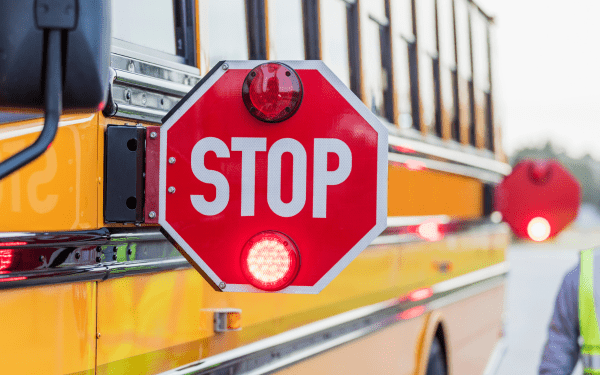
3. Unsafe Behavior Around School Buses: School buses make frequent stops, which can test the patience of drivers. Some may attempt to pass buses unsafely, while others may neglect safety protocols. Bus drivers themselves are not always vigilant; they might fail to fully deploy the stop arm or may pull away too soon, sometimes stopping in locations that are not safe for children to cross. Children trust that bus drivers will ensure their safety, and any lapse in judgment can result in dangerous situations. If an accident occurs due to a bus driver’s negligence, it is essential to pursue a claim to address the injuries caused.
4. Distractions During Drop-Off and Pick-Up: Drop-off and pick-up zones are often rife with distractions. Drivers may be juggling phone calls, dashboard alerts, conversations with children in the backseat, or even finishing breakfast. This environment can create a false sense of security, but slow-moving traffic does not diminish the risk. Children frequently walk between vehicles without looking, and the crowded, stressful atmosphere makes it easy to overlook someone close to your car. A momentary distraction can lead to a serious collision.
It’s not as if drivers wake up intending to create hazardous conditions during the school commute. Yet, the chaos of busy mornings can lead to the adoption of unsafe habits that seem i
ocuous. By recognizing these risks, small adjustments can be made to enhance safety for everyone on the road.