







It seems my neighbor, a dedicated truck driver, has removed his “Gun Owners for Trump” sticker from his vehicle, a striking change that caught my attention a month or two ago. This shift coincided with rising gas prices and a turbulent political landscape, marked by the ongoing tensions in Iran that have left many feeling discontented.
While I haven’t had a chance to discuss these changes with him in detail, it’s hard to ignore the significant events unfolding around us, including serious legal troubles faced by political figures and troubling accusations that have emerged in the public sphere. Gas prices seem to have played a pivotal role in shaping his perspective, revealing a sense of disillusionment with the prevailing political oligarchy that appears indifferent to the struggles of ordinary citizens.
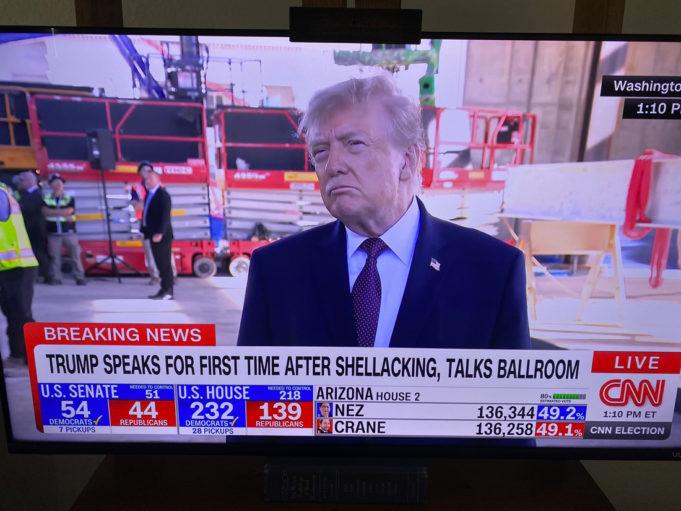
Recent midterm election results suggest a potential shift towards more positive change. My neighbor is not someone to underestimate; he has always been engaged and sharp. In the past, he was a formidable opponent in our neighborhood Pictionary games, showcasing not only his artistic skills but also a keen ability to interpret the drawings of his teammates. He has been a reliable friend, offering tools, wisdom, and even the occasional drink, though he now opts for Miller Lite instead of Bud Light.
One aspect that has somewhat hindered his personal growth and the well-being of his family seems to be his strong faith. Despite my own struggles to understand this, I recall that the teachings of Jesus do not advocate punishing those who hold differing views. The Old Testament’s commandment not to kill raises complex questions about who is afforded protection and who is not, particularly in light of recent tragic events.
This political divide may stem from deeply personal beliefs. While I may not agree with his stance, I can appreciate how significant matters of faith and morality influence one’s choices in leadership. Reaching individuals like him may require a different approach, one that recognizes the emotional and spiritual aspects of political affiliation.
Ultimately, it’s crucial to prioritize voting for candidates who aim to enhance our lives rather than those who thrive on creating divisions based on hate. Hatred is a heavy burden, often stemming from past experiences that can cloud judgment. It’s essential to remember that not everyone fits into a singular narrative; individuals should not be judged solely based on the actions of a few. As Benjamin Franklin wisely remarked, it’s better to let a few guilty individuals go free than to imprison an innocent one.
Engaging with those who hold differing views can reveal surprising commonalities. My conversations with conservatives, including my neighbor, often leave me with a greater sense of agreement than discord. It’s vital to approach these discussions with an open mind, allowing for understanding before forming judgments.
Here’s to a future that is brighter, more inclusive, and free from the shackles of sexism, racism, and bigotry.