









Following the conclusion of the recent election, Texas officials are beginning to address concerns regarding the state’s upgraded voter registration management system, which has faced criticism for not meeting performance standards. An audit of the system is now on the horizon, and the state has announced plans to form working groups aimed at enhancing its functionality.
The state’s request for proposals for an independent audit underscores that persistent issues pose risks to election officials’ ability to fulfill their legal responsibilities efficiently. This announcement comes in the wake of significant complaints from county election officials, who have expressed frustration since the deployment of the revamped system, known as TEAM, in the summer of 2025. Officials have reported that TEAM has hindered their ability to complete critical daily tasks and adequately prepare for elections.
The audit initiative and formation of work groups were revealed shortly after Texas experienced a pivotal midterm election, which saw participation from at least 9 million voters. The audit aims to determine the operational effectiveness of TEAM, as outlined in an email from Christina Adkins, director of the Secretary of State’s elections division, to county officials. The state has also introduced a new ticketing system, allowing county officials to track the resolution of issues they report with TEAM, a feature they have long requested. Additionally, those officials will have a role in the working groups focused on system improvements.
Kristin Miles, president of the Texas Association of County Election Officials and elections administrator in Bastrop County, praised the state’s decision. She acknowledged the challenges county officials faced due to unresolved issues with TEAM throughout the election year. “We are glad to see the Secretary of State taking appropriate steps to address them for the benefit of all Texas voters,” Miles stated in an email. She emphasized the importance of ensuring these commitments are implemented fully and punctually, with genuine input from county officials.
In a news release, Secretary of State Robert Howden, appointed by outgoing Governor Greg Abbott in July, highlighted that the state successfully conducted multiple statewide elections using the updated system, gaining valuable insights in the process. With no major statewide elections on the calendar for the upcoming year, Howden sees this as an opportunity to gather feedback to enhance TEAM. “We need the input of our county election officials and their staff to ensure that the enhancements align with the needs of election workers,” he noted. “With their assistance, we will create a system that facilitates easier election administration for counties.”
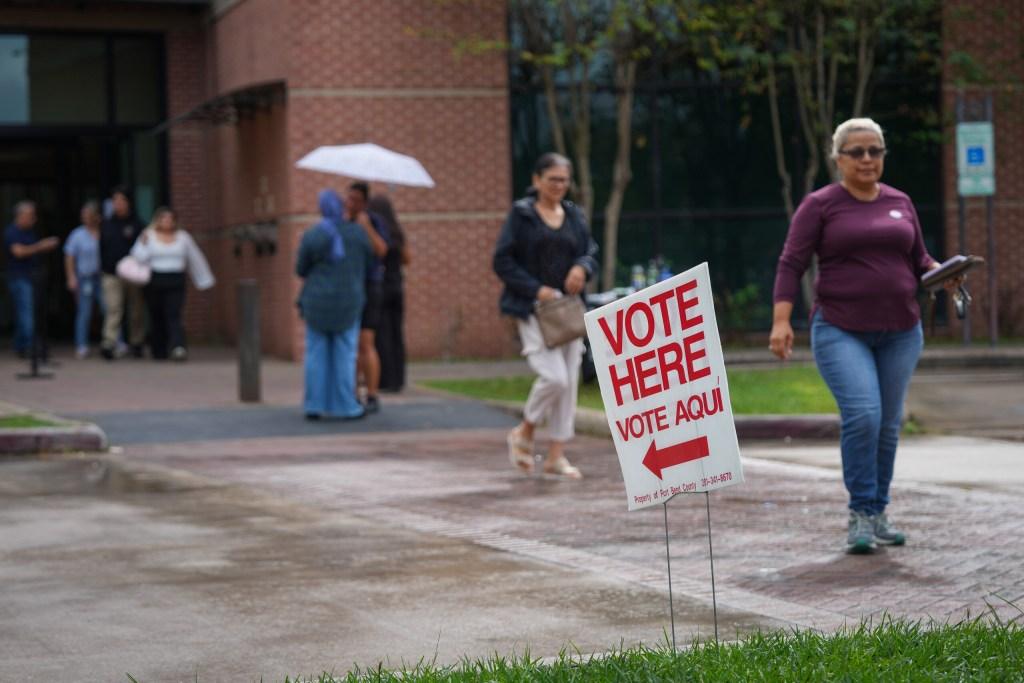
Despite facing numerous challenges, county election officials managed to conduct a smooth election on Tuesday without significant problems for voters. However, they were initially met with a range of obstacles. The TEAM system, overhauled last summer and developed by Louisiana-based Civix, has been plagued by issues since its introduction. Election officials reported that the system is sluggish, frequently malfunctions, and complicates the processing of voter registration records.
For example, TEAM lacks the ability to sort records by submission date and requires election officials to mark mail-in ballot records individually, rather than allowing bulk updates. Many officials have resorted to makeshift solutions to manage voter registration and mail-in ballots more effectively.
In response to ongoing criticism, state officials acknowledged that the launch of TEAM was complicated by various factors, including a rare midcycle redistricting pushed by Texas Republican lawmakers last year. However, election officials contend that the challenges presented by TEAM extend beyond these explanations, complicating their management of additional issues, such as two state-created backlogs of thousands of voter registration records that needed resolution before Election Day.
According to Adkins’ email to election officials, the working groups are expected to convene in December and January, comprising county election administrators, clerks, and tax assessor-collectors. This diverse representation will ensure that all users of the TEAM system can provide feedback, participate in system testing, and help set priorities moving forward. Representatives from Civix, the vendor responsible for the system, will also be involved in these discussions.
The independent audit aims to evaluate TEAM’s overall performance, including the completeness and functionality of its modules, user needs, and the long-term viability of the current system. Adkins mentioned that the audit is slated to commence in December, with results anticipated in time for consideration during the 2027 legislative session.