







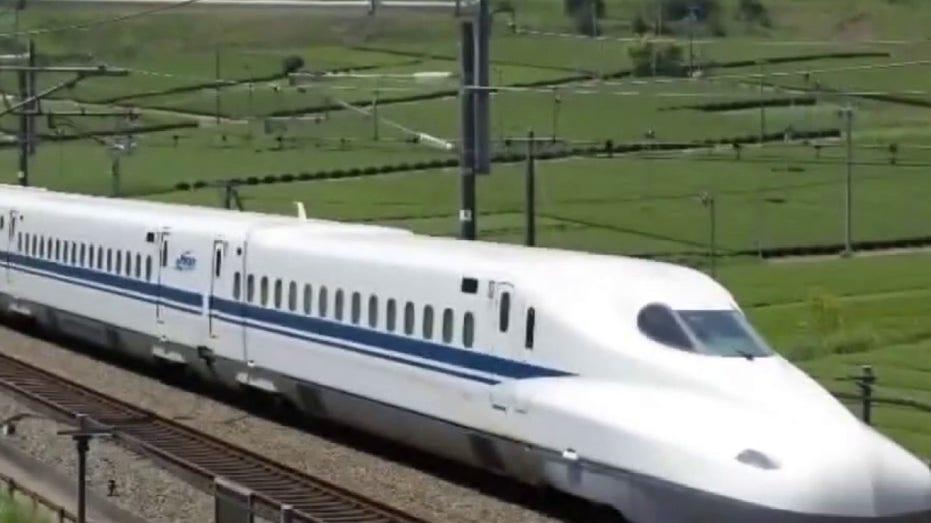
As Texas experiences a shift in political dynamics, local leaders are advocating for the introduction of high-speed rail in the state. The proposed rail system aims to connect Austin and San Antonio, with some officials envisioning an extension reaching as far north as Dallas.
The prospect of high-speed rail is gaining momentum among city and state officials, notably Austin City Council Member Vanessa Fuentes and San Antonio City Council Member Jalen McKee-Rodriguez. They are actively promoting the idea of a passenger rail link between the two major cities.
In a recent social media message, Fuentes and McKee-Rodriguez expressed their enthusiasm for the project, referencing new feasibility studies that explore two potential routes connecting Central Texas’ largest urban centers.
“It’s time for trains in Texas,” the council members declared in their video. With new officials poised to assume roles across the state following the midterm elections, McKee-Rodriguez highlighted the importance of reigniting this conversation.
“Right now we’re looking at a very new Texas. We’re looking at Texas, which feels like opportunities abound,” he conveyed, emphasizing the potential for progress.
The Need for High-Speed Rail
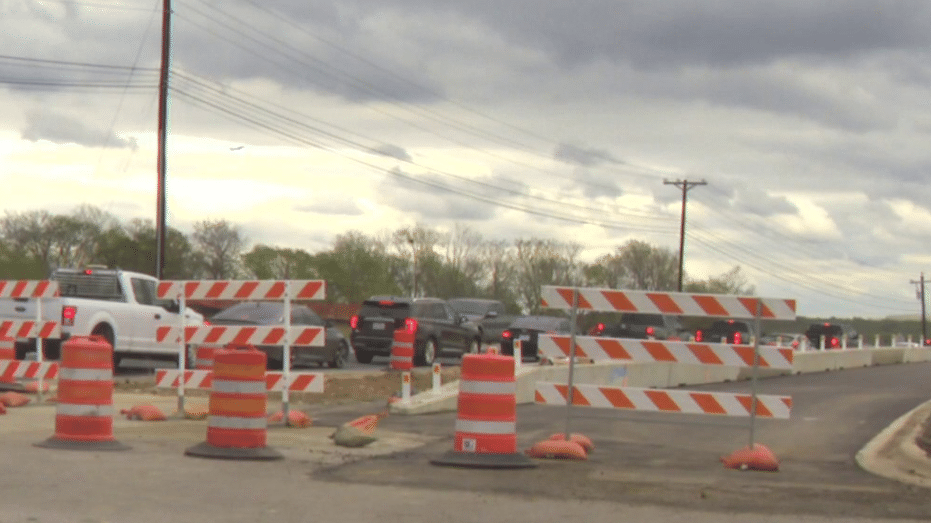
This discussion arises amid increasing congestion along Interstate 35, prompting officials to seek solutions for improving transportation between Austin and San Antonio. While the concept of passenger rail has been on the table for many years, recent studies have provided a clearer picture of what such a connection might entail and the associated costs.
One proposed route would establish a rail line along State Highway 130, linking to Interstate 10 in San Antonio. This route would start at Austin-Bergstrom International Airport and lead to one of four potential terminal sites in San Antonio.
Another option involves a rail line along the I-35 corridor, which would include stops in San Marcos and New Braunfels. Utilizing existing infrastructure from the Union Pacific Railroad is a possibility, though it would necessitate reaching agreements with various stakeholders.
“That’s another entity that we would have to be navigating and working alongside,” McKee-Rodriguez noted regarding the complexities of incorporating existing rail infrastructure into the plan.
Project Cost and Feasibility
Cost estimates for the project are significant, with projections around $13.5 billion and annual operational and maintenance costs between $140 million and $190 million. The trains could achieve speeds of up to 125 miles per hour, potentially reducing travel time between Austin and San Antonio to about one hour.
The conversation about high-speed rail is also gaining traction at the state level, with proposed legislation that could expand the project’s scope. State Representative John Bucy, a Democrat from Austin, has introduced House Bill 270 in anticipation of the 90th Texas Legislature. This bill aims to facilitate a partnership between the Texas Department of Transportation and a private entity for constructing, maintaining, and operating a high-speed rail connection along the I-35 corridor, linking Dallas, Waco, Austin, and San Antonio.
“We will be able to move people so rapidly up and down the corridor that I just want you to think about the impact of economics and business,” Bucy stated, emphasizing the potential benefits of such a rail system.
The bill defines high-speed rail as intercity passenger service capable of reaching speeds of at least 110 miles per hour. If passed, it could lay the groundwork for a public-private partnership to develop the larger rail connection. However, the legislation does not guarantee construction or secure funding.
Funding Challenges
The question of funding for the Austin to San Antonio high-speed rail connection remains a significant concern. A feasibility study identified three potential funding avenues: federal grants, local funding for matching federal contributions or complete project costs, and the possibility of a private company taking on the construction and operation of the rail system.
“We have to make clear that funding for this is a priority in this legislative session and in the future for both the state and the federal level,” McKee-Rodriguez stressed. He acknowledged that with new leadership at the state level, there is a critical opportunity to act swiftly.
Funding has historically posed challenges for similar projects. In 2023, the federal government awarded Amtrak nearly $64 million for planning a high-speed rail project in Texas, only for the grant to be terminated two years later due to criticisms regarding its viability.
McKee-Rodriguez cautioned that while it’s premature to establish a timeline for the project, he believes there is a strong demand for enhanced rail options, and officials intend to capitalize on the current momentum.
“It’s not going to be an overnight process, but there is a clear appetite and interest, so we need to seize that momentum and move forward decisively,” he concluded.
Next Steps
Upcoming actions include coordination with the Texas Department of Transportation, market and ridership analysis, environmental impact assessments, and the development of an initial funding strategy to push the project closer to realization.