








The election may have concluded, but the imperative to hold Texas officials accountable is just beginning. The need for truth and transparency is more critical than ever, especially as the state faces pressing challenges.
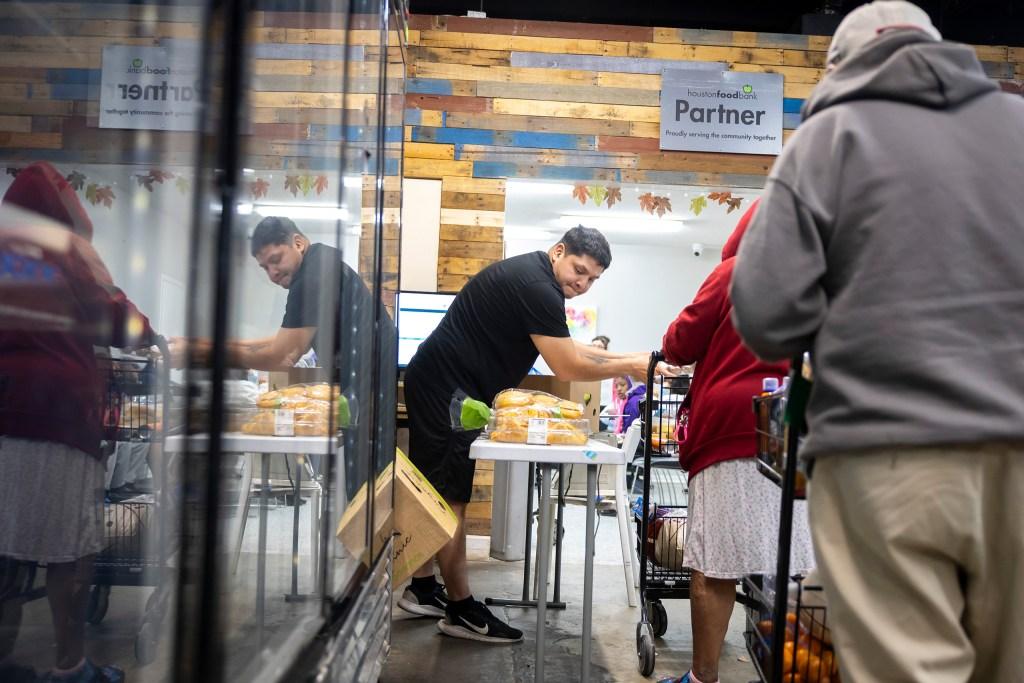
As the holiday season approaches, traditional festive foods like turkey, ham, cranberry sauce, and dressing may be absent from the tables of millions of Texas families who depend on food banks. This year, food banks are experiencing unprecedented demand, reminiscent of the peaks seen during the 2020 pandemic. With soaring food prices, dwindling federal support, and a decline in donations, these organizations struggle to provide essential nourishment to families in need.
“For the first time, we bought no turkeys this year. The prices are just too high,” stated Brian Greene, president and CEO of the Houston Food Bank.
Data from United Ways of Texas reveals a staggering 28% increase in calls for food assistance to the Texas Health and Human Services’ 211 hotline from February to June 2026. Referrals to food banks and pantries surged by nearly 37%, rising from 4,230 to 5,785. Greene noted, “Pantries are having to stretch their resources thinner, leaving families searching for additional help.” He reported a 20% rise in requests for assistance and a 10% increase in individuals served across the Houston charity network.
Texas’ food insecurity safety net includes federal nutrition assistance programs such as the Supplemental Nutrition Assistance Program (SNAP), alongside food banks and school meal programs. A food bank is classified as a regional nonprofit that sources, stores, and distributes food to local programs, forming the backbone of the hunger-relief system. Currently, twenty food banks serve over 4 million Texans each year through a network of more than 4,000 partners.
Despite their critical role, food banks are not designed to tackle all aspects of food insecurity, primarily relying on philanthropic support. The decline in federal assistance has exacerbated the situation, particularly for rural food banks that face overwhelming demand due to urban families relocating to their areas.
Zack Wilson, executive director of the High Plains Food Bank, indicated that they are enduring the most severe food crisis in their 40-year history. “We are currently serving over 14,000 households, a record number, but with the least inventory we’ve ever had,” he explained. “We purchased some turkeys early, but they were gone in no time. Once our stock runs out, it’s gone.”
The holiday season intensifies pressure on low-income families, particularly when schools close and children miss out on free or reduced lunches, forcing parents to turn to food banks for support. Unfortunately, the number of food-insecure families is escalating rapidly, far outpacing the available food supply, resulting in rationing and alterations to holiday meals during peak demand times.
Food insecurity is defined as the inability of a household to consistently access sufficient food. A 2026 study by Feeding America revealed that 19.4% of Texans—nearly one in five—are facing food insecurity, with one in four Texas children—approximately 2 million—affected.
Wilson shared a concerning anecdote about a donor whose family member, despite holding a well-paying job, struggles to provide for his family due to rising insurance and fuel costs.
Traditionally, food banks, especially in rural areas, have relied on federal support to complement their donations, but this assistance has significantly diminished over the past two years, coinciding with the peak in need.
“People are finding it increasingly difficult to afford groceries, gas, and rent. Many are losing access to SNAP benefits, which means more individuals are turning to us for help while federal aid is decreasing, and our costs are rising,” stated Celia Cole, CEO of Feeding Texas, a statewide network of food banks. “We are entering the holiday season in a challenging position.”
The High Plains Food Bank, serving the Texas Panhandle for decades, has weathered various crises, including the COVID-19 pandemic and the recession of the 2010s. However, this year’s unique challenge lies in the absence of emergency assistance typically provided during such times.
<pWilson pointed out, "We have seen a decline in all our food sources, from donated goods to delays and cancellations of USDA deliveries, as well as a decrease in monetary donations to purchase food. It has been a particularly challenging time for us over the past nine to ten months."
As demand for food assistance continues to rise, the High Plains Food Bank has reported shortages of nonperishable items. “Inflation and rising costs, particularly in food and fuel, are the primary contributors. Our fuel expenses alone have surged by 220% compared to January,” Wilson added. “When combined with record heat this past summer and recent natural disasters, it has created a difficult situation for many.”
Greene emphasized that the issues affecting food banks are widespread, particularly in the Panhandle, Lipscomb, Hemphill, and Sherman counties, as well as other areas of West and North Texas. “This is a statewide problem,” he remarked.
Sari Vatske, president and CEO of Central Texas Food Bank, stated that the migration from urban to rural areas is placing additional strain on rural food banks, which are often the closest food source for families in need. “The demand has surged significantly as we approach the holidays, all while the cost of living continues to rise,” she noted.
In urban regions, the overall demand is similarly high, placing additional stress on the food insecurity system throughout Texas, particularly as funding and supplies dwindle.
In 2025, the U.S. Department of Agriculture discontinued two programs that provided $1 billion in products directly to food bank warehouses, citing unsustainable expectations set by the previous administration. The reduction in federal support has resulted in significant losses for Texas food banks, with many experiencing cuts amounting to millions of dollars in funding or food within a year, leading to fewer meals distributed per family.
“Currently, USDA programs account for about 18% of our food inventory, down from 25% in 2024,” Wilson indicated, highlighting the challenges posed by cancellations and delays this year.
Local food pantries in schools and neighborhoods, especially in rural areas, are also overwhelmed by the increasing number of food-insecure families, which in turn places more pressure on larger food banks for assistance.
The Map the Meal Gap study indicates that a substantial number of individuals experiencing food insecurity do not qualify for federal nutrition assistance programs like SNAP. Families ineligible for such aid must rely on local food banks and community meal programs, further straining an already overloaded system.
Recent state data shows that nearly 733,000 eligible Texans were not participating in SNAP as of October, down from September 2025, largely due to work requirements and fears surrounding immigration. Food advocates assert that all those households still require sustenance, which is increasingly falling on food banks.
Greene pointed out that SNAP work requirements are pushing many rural families out of the program, as job availability in their areas may be limited, leaving under-resourced food banks to meet the rising demand.
Currently, Texas food banks distribute over 700 million pounds of food each year through a network of more than 5,000 community partners. Yet, for every meal provided by food banks, SNAP offers nine.
“We are struggling to compensate for that disparity,” Cole remarked.
The escalating grocery prices are also hindering generous donations to food banks during this period of economic uncertainty. Greene explained that a significant portion of the Houston Food Bank’s supply comes from private donations and surplus from the food industry, often fresh produce from farmers. However, food banks must still cover transportation costs for these donations, which can reach about $16,000 to rent a tractor-trailer, alongside rising fuel expenses.
The combination of soaring food prices, reduced federal spending, and an increasing number of food-insecure families suggests that this holiday season may differ greatly for many Texans. Nevertheless, food advocates remain hopeful that if new federal and state lawmakers heed their calls, positive changes could be on the horizon.
“Our requests for support from the state remain consistent, but there’s a bit more optimism for assistance,” Vatske concluded.
The repercussions of declining federal support for food insecurity have resonated across the country, and advocates are hopeful that new leadership could help reverse this trend. “It’s time for the federal government to step up,” Greene urged.
Cole pointed out that many candidates who triumphed in the recent elections campaigned on affordability, emphasizing that a crucial step the federal government can take is to address the nationwide decline in SNAP enrollment.
“Hunger is a problem we cannot afford to overlook, yet we can afford to solve it,” she declared.
Restoring cuts to federal commodities is another avenue federal lawmakers could explore, as these cuts have had a significant impact on food banks this year. “It’s disheartening to see that a strong majority of Americans believe the federal government should increase support for food banks, not decrease it,” Greene said.
<