







The election may have concluded, but the journey toward holding Texas officials accountable has only just begun. A collective effort is now underway to uncover the truth behind the recent challenges faced by the state.
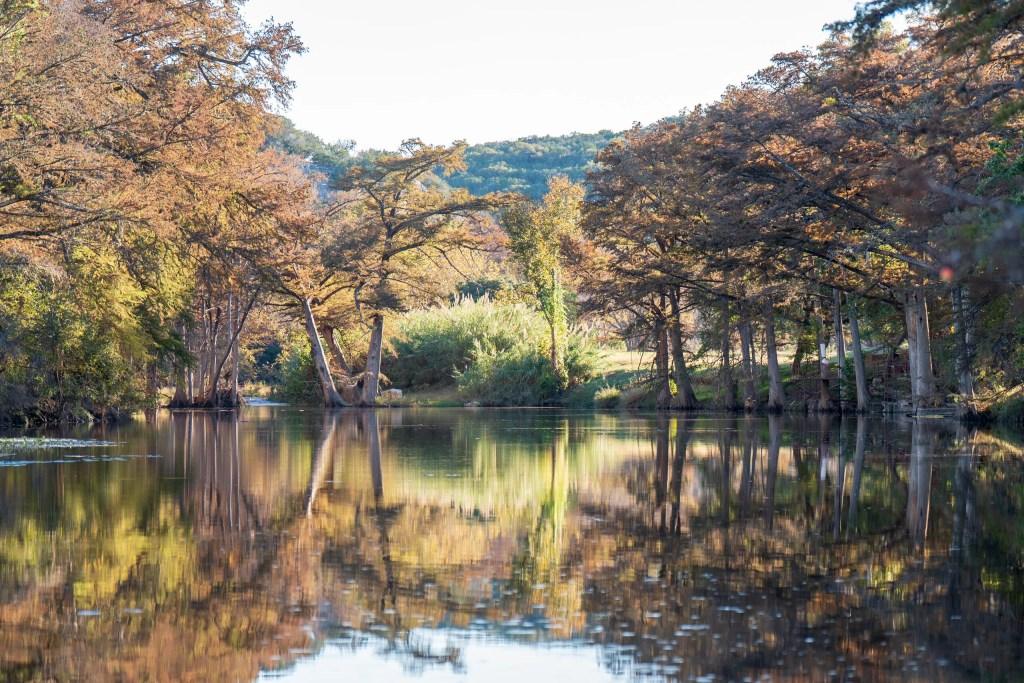
KERRVILLE — Along the banks of the Guadalupe River in Kerr County, the once-mighty cypress trees that have long characterized the area are now bent and broken, with many missing entirely.
Last year, the river transformed into a raging torrent, claiming over 100 lives and devastating the riverbanks. In the aftermath, heavy machinery cleared away vegetation and debris as workers searched for victims. This July, the river once again surged to catastrophic levels.
Residents and frequent visitors to Kerr County describe the altered landscape as resembling a moonscape. The beautiful river that once attracted so many now appears desolate and unrecognizable, stripped of its former charm.
Yet, a glimmer of hope emerges for those who look closely at the river’s edge. Amid the wreckage, slender baby cypress trees, a foot or two tall, have begun to sprout. Under the guidance of the San Antonio Botanical Garden, plant experts cultivated these saplings over the past year, using seeds gathered from the region. These cypress trees are so distinct that they may even qualify as their own species. This month, volunteers began the ambitious task of planting 50,000 trees over the next two years.
While nature could potentially restore the river on its own, those leading this significant initiative believe they are accelerating the regrowth process, providing a lifeline to the battered region. Their mission aims to outpace invasive plant species that often take hold after such disasters, and to rehabilitate an ecological landscape that was struggling even before the floods.
“Will the river recover? Yes,” stated Erin Davis, program coordinator for Texas Resilient Landscapes at the Texas A&M Forest Service, which is backing the project. “However, we have an important role in guiding the restoration process.”
The initiative is more than just a landscaping project, according to leaders at the botanical garden. It seeks to foster a resilient ecosystem by educating the community about the vital roles that native plants play in providing habitats and stabilizing riverbanks. This replanting effort allows volunteers to take meaningful steps toward restoring the iconic trees.
Planting these trees requires a belief in the future. The garden has collected over 850,000 seeds, which volunteers meticulously sorted by hand. Only about a third of the cypress seeds germinated. These saplings were nurtured under conditions that mimic natural stresses, aimed at making them more resilient, though they still face threats from hungry deer and potential droughts once planted.
Cypress trees take decades to mature, meaning that adults planting them today may never sit in their shade. However, this effort signifies a step toward healing for both the river and the community.
“We’re grieving,” expressed Ryan McGillicuddy, watershed and conservation team leader for the Texas Parks and Wildlife Department, another supporter of the river restoration. “Just as nature undergoes its own healing process, we are experiencing our own, drawing inspiration from the natural world.”
A Foundation for Us All
Cypress trees are integral to Kerr County’s identity, often described as majestic, grandfatherly figures. Their arching limbs over the water evoke images of cathedrals.
These trees attracted early settlers in the mid-1800s, who felled them for shingles. By the 1920s, children spent carefree summers camping by the river, with the trees anchoring countless memories and inspiring awe. Some cypress trees lost in the flood were centuries old, with massive trunks that defied being embraced by human arms.
Artist Carol Arnold, who captured the pre-flood landscapes in her pastels, noted the trees’ deep emotional connection to the community. She observed the tranquil blues and greens of the water beneath the trees and the intricate roots intertwined with the rocks, depicting a sense of peace.
<p“It’s as if the roots of the cypress trees provided a foundation for us all,” Arnold reflected, sharing her childhood experiences of camping on the river and raising her family in Kerrville. “Their significance transcends mere trees; they were a profound part of our community’s spirit.”
Surviving bald cypress trees that endured the floods in 2025 and 2026 still lean over the Guadalupe River along the Hendricks family’s property. Evidence of the disaster remains, with debris hanging high in their branches.
Cypress trees play a crucial role in the river’s health, providing shade that keeps aquatic life cool and stabilizing soil with their roots. They offer habitats for a variety of insects, birds, and mammals, and their presence slows water flow, fostering additional habitat formation.
The pristine river also underpins the local economy, reliant on tourism and wellness. Vibrant summers filled with family reunions, fishing trips, and vacations transitioned into visits for deer hunting, weddings, and admiring the cypress trees as they turned russet in the fall. The trees created spaces for picnics, relaxation, and reflection.
“The river system is not merely a picturesque view,” remarked Jeremy Walther, a local business owner and founder of the Kerr County River Foundation. “Our economic vitality is built upon the river.”
The sheer force and volume of the July 4 flood wreaked havoc, destroying homes, sweeping away vehicles, and forcing individuals to fight against the debris-laden current for their lives. Some managed to survive by clinging to trees.
The devastated landscape serves as a stark reminder of the calamity. Residents noted how they could now see across the river in areas previously concealed by dense tree canopies. Approximately half of the vegetation along a 30-mile stretch of the river was lost, according to an analysis by the Bandera County River Authority and Groundwater District.
Mindy Wendele, president and CEO of the Kerrville Area Chamber of Commerce, remains hopeful for recovery. However, she struggles to adjust to the sight of trees bent sideways instead of standing tall, or the large amounts of rock now littering the riverbanks.
<p“That part is sad because it’s different,” Wendele expressed, her eyes glistening. “It feels like an assault on the landscape I grew up with.”
An Idea Germinates
Michael Eason, vice president of conservation for the San Antonio Botanical Garden, recalls a car ride with fellow garden leaders shortly after the July 4 flood. “My landmarks were trees, and they were just gone,” he noted. “It was as if everything had been wiped away.”
In that moment, they conceived a plan: What if they grew trees from local seeds to aid in the river’s restoration?
Eason reached out to Becky Etzler, executive director of Riverside Nature Center in Kerrville, which serves as an educational hub for various plant-focused groups. The property, located along the Guadalupe, had also been affected by the flood.
“This is ambitious,” Etzler thought when Eason presented his idea. While it felt daunting, the expertise and resources available were exciting. However, the immediate focus remained on cleanup and rebuilding, with heavy machinery disrupting beneficial plant matter and compacting the soil.
<p“It’s understandable; they were prioritizing the search for lost lives,” Etzler explained. “Our aim was to restore the riverbanks, so the focus was understandably elsewhere.”
Instead of sourcing cypress trees from states like Louisiana or Florida, the botanical garden began collecting cones from local sites, ensuring the preservation of local tree genetics suited for the Hill Country’s climate and limestone soils. One notable collection site was Camp Stewart, situated on the North Fork of the Guadalupe River, which did not experience the same catastrophic flooding as the South Fork.
<p“It brings me joy that we’re aiding in the reforestation of our neighbors on the South Fork,” remarked Kathy Ragsdale, matriarch of Camp Stewart, whose daughter Jane, who aspired to be a camp director, tragically died on July 4 at Heart O’ the Hills camp.
At the botanical garden, staff dried the collected cones before volunteers meticulously extracted and sorted the seeds. They distributed some to various nurseries across the state that volunteered to grow plants for the initiative, which included not only cypress but also willows, pecans, oaks, and sycamores.
As the trees grew, other restoration groups began exploring additional ways to contribute. The Hill Country Alliance engaged with landowners to offer support and answer questions, distributing bags of seeds for grasses and forbs and providing plants like sedges during giveaways, complete with planting demonstrations.
Collaborating with property owners, the alliance emphasized that they need not revert their land to its pre-flood state; leaving fallen trees and branches would aid in stabilizing the banks while new plants took root.
<p“Everything requires time,” remarked Daniel Oppenheimer, land program director for the