







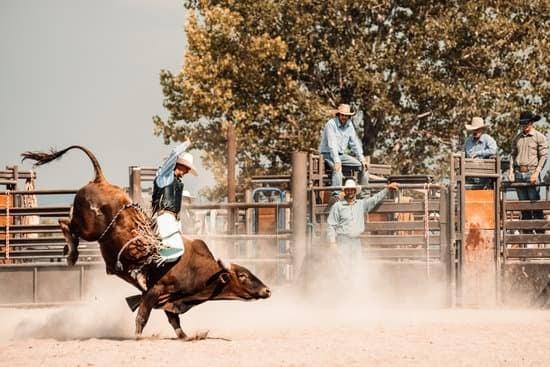
The rodeo, a quintessential aspect of Texan culture, combines athleticism, tradition, and a sense of community that is both historic and present-day vibrant. This beloved sport, which showcases the skills of cowboys and cowgirls, pulls from the rich tapestry of Texas’s ranching history, reflecting both the challenges and triumphs of the American frontier. From small-town events to grand National Finals Rodeos held in Las Vegas, Texas rodeo stands out not just for its thrilling competitions, but for the deep-rooted culture surrounding it.
Rodeo is often more than just entertainment; it embodies a lifestyle steeped in respect for tradition, love for the land, and a spirit of camaraderie. As interest in rodeo as a sport and cultural phenomenon grows, it is essential to explore what makes the culture of rodeo in Texas so distinctive, enduring, and accessible to all who appreciate the grit and grace of the cowboy way of life.
The Historical Roots of Rodeo in Texas
The origins of rodeo in Texas can be traced back to the cattle ranching boom of the 19th century. As cattle drives became a vital part of life, ranchers needed a way to showcase their herding skills and also to entertain themselves after long days on the trail. Traditional events like the roping of calves and riding of broncos were born from practical needs in the field. These competitions laid the groundwork for what would eventually evolve into the modern rodeo, complete with its own set of rules and regulations.
The first formal rodeos began taking shape in the late 1800s. In 1883, the town of Pecos proudly hosted one of the first recognized rodeos, marking a significant milestone in the sport’s journey. This early event was characterized by a communal atmosphere where cowboys showcased their skills in a friendly yet competitive environment. Such gatherings did not only highlight athletic ability but also forged strong social bonds among ranchers and their families.
The competitive nature of rodeo continued to flourish into the 20th century, especially with the founding of the Rodeo Association of America in 1929. Over subsequent decades, rodeos became venues for showcasing not only cowboy prowess but also the cultural narratives that emphasized themes of independence, bravery, and the rugged charm of rural life in Texas. By the time the Professional Rodeo Cowboys Association (PRCA) was established in 1936, rodeo was cemented as a staple of American culture, with Texas at its heart.
How Rodeo Evolved as a Performance Art
As rodeo grew from practical gatherings to widely recognized events, it began to incorporate elements of performance art. The flashy costumes, dramatic music, and skilled performances added layers of entertainment that appealed to a broader audience. Today’s rodeos blend the traditional with the theatrical, creating an event that mesmerizes spectators of all ages. Events like bull riding, barrel racing, and saddle bronc riding now attract large crowds and are highly choreographed to enhance the thrilling experience.
The expansion of the rodeo to encompass family-friendly entertainment has also contributed to its enduring popularity. Many rodeo events feature additional attractions, including carnival rides, food vendors, and live music. This fusion of excitement and culture makes rodeo a multifaceted experience that brings communities together in a celebration of shared values and heritage.
Moreover, these rodeos serve as platforms for showcasing equestrian arts. Events such as trick riding and roping exhibitions illustrate not just the competitive nature but the intricate skill sets and talents that cowboys and cowgirls possess. These performances further enrich the cultural significance of rodeo, providing a stage for storytelling through horse and human collaboration.
The Community and Family Aspect of Rodeo
Integral to the rodeo culture is the sense of community it fosters. Local rodeos often act as social gatherings where families come together, creating a familial atmosphere that is welcoming to all. Families play a crucial role in the success of rodeos, with many participants learning the ropes from their parents or grandparents. Sarah Thompson, a fourth-generation barrel racer from Texas, shares, “Rodeo is not just a sport. It’s tradition, it’s family, and it’s a way of life for us. We all come out here to support one another.”
This profound connection is mirrored in several organizations promoting youth involvement in rodeo, such as the National Little Britches Rodeo Association, which encourages young participants to embrace the sport while fostering development in skills and sportsmanship. The impact of these initiatives cannot be understated, shaping not just skilled riders but responsible and community-oriented individuals.
Moreover, participation in rodeo often instills values such as resilience, teamwork, and perseverance in the next generation. Children learn to handle both wins and losses, adopting a mindset associated with sportsmanship that serves them well beyond the arena. As such, rodeo acts as an informal school of life, where lessons extend far beyond the mechanics of riding and roping.
Women in Rodeo: Breaking Barriers
While rodeo historically has been seen as a male-dominated sport, women have played a significant role in shaping its landscape. The late 19th and early 20th centuries saw pioneering cowgirls challenge societal norms, performing in shows like the “Buffalo Bill’s Wild West.” Today, women compete in nearly every event—barrel racing, team roping, and bull riding—all of which require tremendous skill and courage.
Prominent figures like rodeo champion and Texas native Tuff Hedeman have commended the contributions of women in the sport, noting their ability to excel in demanding environments. Female rodeo athletes inspire young girls to break through traditional gender barriers, showcasing that strength and agility know no gender. Their determination highlights the unique challenges and opportunities that female riders encounter, reshaping perceptions and showcasing excellence in the sport.
The rise of women in rodeo has also influenced the culture of competitions, leading to more inclusivity and recognition for female athletes. Events and organizations dedicated to promoting female participation in rodeo, such as the Women’s Professional Rodeo Association (WPRA), ensure that women receive the recognition they deserve in a traditionally male-dominated space. These developments offer a clear testament to the evolving nature of rodeo culture in Texas.
The Impact of Rodeo on Texas Identity
In Texas, rodeo is woven into the very fabric of state identity. The symbols of the cowboy lifestyle, characterized by rugged individualism and a strong work ethic, resonate deeply within the broader cultural landscape. Rodeos embody these qualities, serving as a celebration of Texas heritage that appeals to both locals and tourists alike.
Proud Texans often use rodeos as opportunities to celebrate their way of life, reinforcing ties to farming, ranching, and a land-centric culture that has endured for generations. Through events like the Houston Livestock Show and Rodeo, Texans honor their agricultural roots while highlighting the state’s role in upholding the cowboy lifestyle.
Rodeos also have a significant economic impact, generating immense revenues through ticket sales, tourism, and local business support. Communities hosting these events see a surge in visitors, which boosts sales for hospitality services, restaurants, and local shops. This economic contribution further solidifies the status of rodeo as a vital component of Texas culture. Rodeo not only preserves heritage but also propels local economies into new heights.
Rodeo’s Future: Challenging and Changing Norms
While rodeo enjoys a long-established cultural significance, the landscape is not without its challenges. Issues surrounding animal welfare, environmental sustainability, and modern ethical norms have moved to the forefront of public discussion. As the rodeo industry looks toward the future, it must balance traditional practices with evolving societal expectations.
Organizations within the rodeo community are increasingly committed to ensuring the welfare of animals involved in events. Implementing guidelines and standards focused on animal health, as well as prioritizing humane treatment, are crucial steps toward gaining public support and sustaining the sport’s legacy. Education about responsible practices is essential for preserving the culture and ensuring its acceptance in increasingly conscientious society.
The Unbreakable Spirit of Rodeo Culture in Texas
The culture of rodeo in Texas is rich, nuanced, and ever-evolving. As a microcosm of values reflecting the spirit of the American West, rodeo stands as a testament to resilience, community, and tradition. With roots deep in Texas history, it blossoms in the faces of new generations eager to embrace the cowboy way while recognizing the need for progress and inclusivity.
As Texas continues to host rodeos of all sizes, the unity, passion, and dedication established through this beloved sport serve as a reminder of the values cherished by Texans. With newcomers and seasoned participants alike joining the ranks, rodeo is poised to remain a vibrant pillar of Texan culture for years to come.
From the heart-stopping moments of bull riding to the precision of barrel racing, rodeo in Texas captures the essence of the rugged individualism and camaraderie that defines the Lone Star State. As the cowboys and cowgirls uphold these cherished traditions, we can be assured that the spirit of rodeo will live on—not just as a competition, but as an enduring cultural phenomenon that continues to inspire and unite.