








Dallas, Texas, is renowned for its fast-paced lifestyle and its booming economy, but beneath the modern skyline lies an architectural history that tells a different story. For architecture lovers, the city is a treasure trove of historic districts that showcase a blend of different styles, from Victorian and Art Deco to Mid-Century Modern. These neighborhoods not only reflect the artistic trends of their respective eras but also highlight the cultural narratives that have shaped Dallas over the years.
Exploring these historic districts offers not only a stroll down memory lane but also a chance to appreciate the craftsmanship and design philosophies that have defined American architecture. This city, a tapestry of diverse stories and structures, invites locals and visitors alike to discover its charm through the lens of history.
The Importance of Historic Preservation
Understanding the need for historic preservation reveals much about what makes Dallas unique. Many historic districts have been established to protect the architectural integrity of neighborhoods that have significant cultural importance. Preserving these areas is about more than just saving old buildings; it’s about maintaining the city’s character and honoring its history.
Historic districts often serve as a reminder of a city’s roots, providing residents and visitors with insights into the past. They foster community engagement and pride while contributing to urban identity. Moreover, preserving historical architecture can stimulate economic growth by attracting tourism and increasing property values. This creates a win-win scenario for cities that recognize the value in their architectural heritage.
Each architectural style has its own story to tell, and Dallas’s districts are no exception. The preservationists and urban planners in Dallas have worked tirelessly to ensure that these stories are not lost to time. Efforts to save and restore homes, commercial buildings, and public spaces have yielded neighborhoods that are both charming and historically significant.
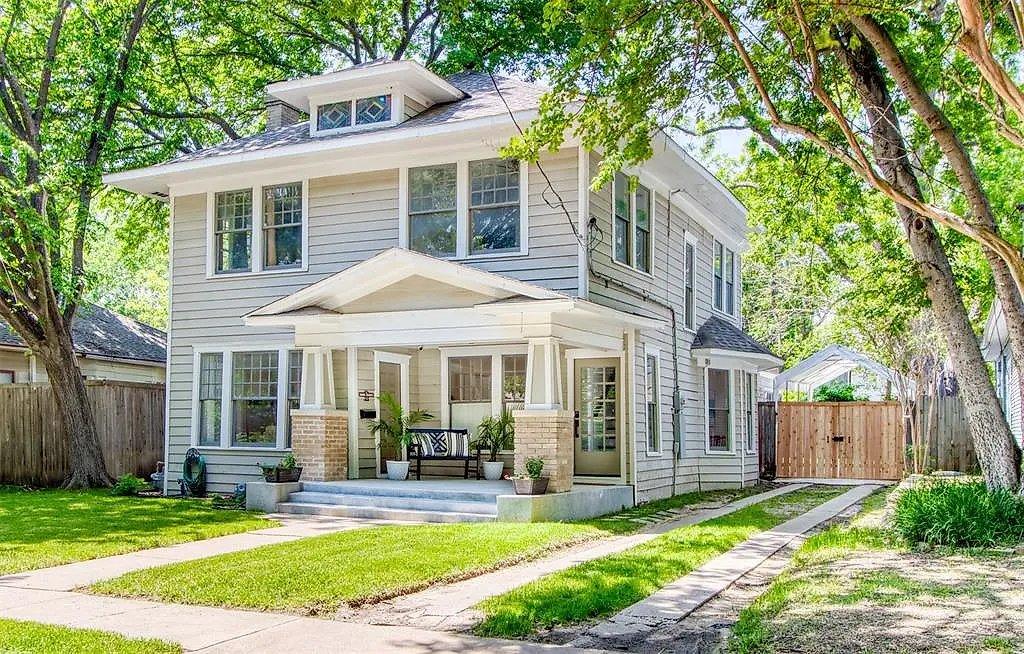
One of the most fascinating neighborhoods for architecture enthusiasts in Dallas is Oak Cliff, which is renowned for its eclectic mix of architectural styles. From Queen Anne to Colonial Revival, the homes here reflect a variety of influences that have shaped the area since its inception in the late 19th century.
Traveling through Oak Cliff feels like peering into a kaleidoscope of design. The Queen Anne style, characterized by its asymmetrical facades and intricate woodwork, stands proudly alongside the more classical Colonial Revival homes that evoke the grandeur of America’s early days. This diversity makes Oak Cliff a **living museum** of architectural expression.
In addition, the neighborhood’s historic significance cannot be overlooked. Oak Cliff was once a bustling independent city, complete with its own cultural institutions and community services. As it became a part of Dallas in 1903, it retained much of its charm, and today, the preservation efforts by local organizations are helping to keep that charm intact.
The West End Historic District is another prime destination for those captivated by architecture. Once the heart of Dallas’s warehouse district, this area has undergone extensive revitalization while keeping the historical essence alive. The brick buildings and iron facades tell stories of the city’s economically vibrant past during the late 19th and early 20th centuries.
Visitors can find a variety of architectural styles here, from Romanesque Revival to the solid, utilitarian designs common in early industrial warehouses. Walking through the West End, you may notice how the fabric of the area tells a story of adaptation — from raw industrial spaces to chic restaurants and shops that respect their architectural roots.
Moreover, the West End is home to some notable landmarks, such as the Dallas Museum of Art and the Sixth Floor Museum at Dealey Plaza, making it a cultural hub as well as an architectural treasure. This suburb of history and modernity offers a glimpse into how Dallas has evolved while safeguarding its past in the process.
Several neighborhoods in Dallas have earned a spot on the National Register of Historic Places, a testament to the city’s rich architectural heritage. One such district is the Fairmount Historic District, recognized for its well-preserved Victorian homes, some dating back to the 1890s. This district not only showcases exquisite architecture but also represents a time when Dallas was transitioning into an economic powerhouse.
The architectural styles in Fairmount range from elaborate Victorian mansions to simpler Craftsman bungalows. Each home tells a story of the families who lived there, their economic status, and the evolving tastes of the times. The community here actively participates in preservation efforts, organizing events that highlight the district’s history and architectural significance.
Another notable mention is the Swiss Avenue Historic District, known for its Mediterranean Revival and Arts and Crafts influences. The grandeur of the homes here reflects the affluence of Dallas’s early 20th-century elite. Walking through this district is like stepping back in time, with tree-lined streets and period landscaping adding to the historical ambiance.
The preservation of Dallas’s historic districts is not solely the responsibility of government and urban planners; rather, it is a community-driven effort that requires the involvement and passion of residents. Local organizations and historic preservation societies work tirelessly to protect these neighborhoods from neglect or unsympathetic redevelopment.
Community engagement in preservation initiatives can significantly affect the success of these endeavors. Activism among local residents often leads to the establishment of preservation covenants and ordinances ensuring that any changes made in these neighborhoods respect the architectural integrity and historical significance of the area.
Moreover, community events such as house tours, art walks, and educational seminars play a crucial role in raising awareness about the importance of architectural preservation. These gatherings not only draw supporters closer but also help instill a sense of pride and ownership among community members, thus fortifying their commitment to preserving the rich history of Dallas.
Architecture enthusiasts eager to delve deeper into Dallas’s historic districts have several avenues to explore. Guided walking tours are an excellent way to learn about the city’s architectural gems, as local historians or knowledgeable guides provide insights and stories that enrich the experience. Many of these tours focus on notable styles, specific neighborhoods, or historical events that shaped Dallas’s architectural landscape.
Digital resources also provide a platform for self-guided tours. Numerous online platforms offer detailed maps, photographs, and histories of various districts, enabling individuals to explore at their own pace. This virtual journey into Dallas’s architectural past complements physical exploration, as it allows enthusiasts to appreciate details they might have missed during on-foot visits.
Additionally, local history museums often host exhibitions centered on Dallas’s architecture, showcasing artifacts, photographs, and stories that illustrate the evolution of the city’s built environment. Engaging with these resources further enriches the understanding of how architectural styles have influenced the identity of Dallas.
The revitalization and preservation of Dallas’s historic districts also hinge on investment, both from private citizens and local government. Financial incentives such as tax credits and grants are often extended to homeowners and developers who commit to maintaining the historical integrity of significant buildings. This not only aids in preservation but also encourages businesses to invest in these areas, resulting in economic growth.
Investments in historic districts often spur surrounding areas to beautify and restore their architectural heritage, creating a ripple effect throughout the city. As more individuals and businesses gravitate toward these neighborhoods, they breathe new life into them while appropriately honoring their past. Consequently, the integration of modern amenities and conveniences helps to enhance the historical fabric without compromising its integrity.
Future growth will likely rely on a delicate balance between development and preservation. As Dallas continues to expand its urban footprint, it will be crucial for city planners and residents to work collaboratively to ensure that new developments respect the historical significance of existing neighborhoods. This growth, when approached thoughtfully, has the potential to enhance the unique charm and character that Dallas’s historic districts offer.
For architecture aficionados and casual observers alike, Dallas’s historic districts provide more than visual splendor; they offer an invitation to appreciate historical craftsmanship and cultural narratives. These districts are not just relics of the past but living, breathing communities that continue to grow and evolve, preserving their charm for generations to come.