







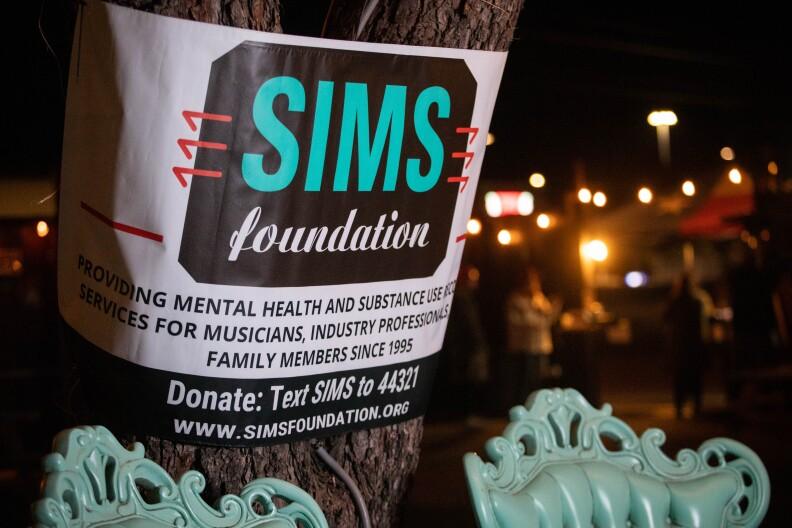
The SIMS Foundation, dedicated to enhancing mental health support within the Austin music community since 1995, is launching an initiative aimed at better serving the workers of local music venues. The new Dick Chalmers Music Venue Program will provide essential mental health services, including counseling and recovery support, to those who contribute to the vibrant nightlife of Austin.
While venue staff have always had access to SIMS’ services, many remain unaware of the resources available to them. Sarah Andrews, chief advancement officer at SIMS, emphasized the importance of raising awareness. “A lot of venue staff just aren’t as aware of what’s available to them,” she noted. “By the time someone reaches a point of burnout, they may not know there’s support they can turn to.”
The challenge is exacerbated by the financial constraints many music venues face, which often operate on narrow profit margins. This reality limits their capacity to provide health benefits, even as staff endure physically demanding work schedules involving late nights and high turnover.
Discussions surrounding the new program began during SIMS’ 30th-anniversary celebration at Empire Control Room & Garage last May. The gathering enabled SIMS staff to engage directly with venue workers, leading to a deeper understanding of the challenges faced by those in the nightlife industry.
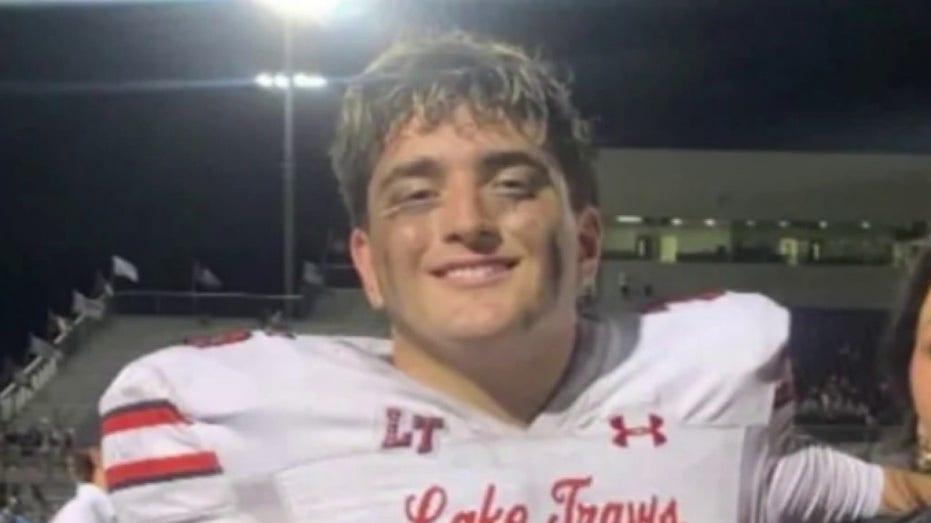
These conversations included reflections on the legacy of Dick Chalmers, a prominent figure in the local music scene who passed away in November at the age of 41. Known for his dedication to venue operations and mentorship, Chalmers was celebrated for his ability to connect with others and create a welcoming environment. In his honor, SIMS decided to name the new program after him.
Andrews highlighted the demanding nature of jobs in the music industry, which often require staff to manage crowded spaces and unpredictable situations while navigating environments where alcohol and other substances are prevalent. This combination can lead to significant stress and burnout, contributing to the high turnover rates reported by venue owners.
In the past year, SIMS has focused on increasing donations to eliminate its waitlist for services, allowing for expanded outreach to venue workers and ensuring that support is readily available. “We wanted to make sure that as more people learn about SIMS, we’re able to meet that need, and not put anyone in a position where they have to wait for care,” Andrews explained.
To bolster this initiative, SIMS is encouraging venues and the community to contribute in various ways, including direct donations, benefit events, ticket add-ons, and partnerships aimed at fundraising. One of the first community-driven efforts will be a Dry January mocktail fundraiser at multiple venues, with proceeds designated for the SIMS program and support for venue workers.
Andrews stressed the importance of recognizing the entire community that supports Austin’s live music culture. “If Austin wants to continue to have this thriving live music culture, then we need to be supporting everyone who’s bringing that culture to life,” she urged. “That’s not just our musicians. It’s all of the folks in the background who are making these shows, gigs, and concerts happen.”