






Texas Deserts and Canyons: An Adventurous Frontier
The vast landscapes of Texas are a tapestry of extraordinary beauty, featuring deserts and canyons that beckon explorers, nature lovers, and adventure seekers alike. The merging of both arid plains and rugged canyon lands forms a unique ecosystem, brimming with diverse wildlife and stunning geological formations. Whether you’re camping under a starlit sky in the Big Bend region or hiking the dramatic trails of Palo Duro Canyon, these terrains offer unforgettable experiences and insights into the rich natural history of the Lone Star State.
Texas’s deserts hold secrets beneath the surface, with hidden springs and groves that reveal the complexity of life in harsh climates. Meanwhile, its canyons slice through the landscape, revealing layers of rock that tell the story of eons. This piece illustrates the allure of Texas’s deserts and canyons, diving deep into their most notable features, activities, and essential tips for visitors. As we journey through this arid wonderland, we discover what makes these landscapes so captivating and vital.
Unveiling Big Bend National Park
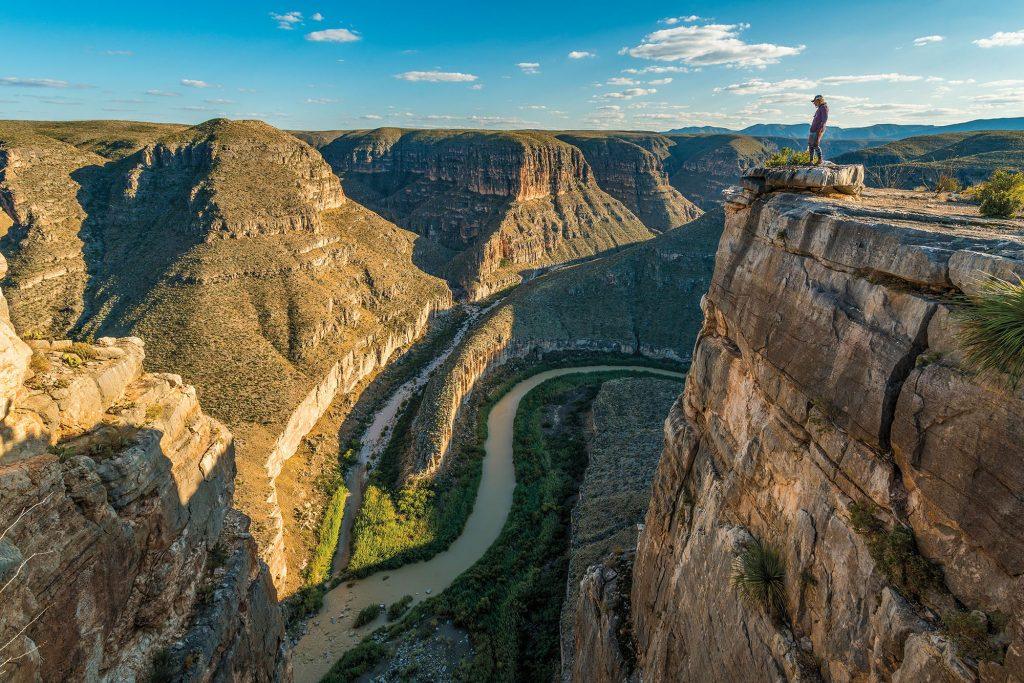
Located in West Texas, Big Bend National Park is often celebrated for its remote beauty and sprawling desert landscapes. The park spans over 800,000 acres of rugged terrain, featuring a diverse range of ecosystems that include mountain ranges, rivers, and vast deserts. The Rio Grande cuts through the park, creating a natural border with Mexico and showcasing breathtaking views on both sides.
One of the primary highlights of Big Bend is its diversity in geography and wildlife. The park is home to more than 450 species of birds, 56 mammals, and a myriad of reptiles and amphibians. Birdwatchers can find opportunities to see migratory and resident species alike, while hikers can explore an array of trails that vary in difficulty and length. The Chisos Mountains present some of the highest peaks in Texas, offering challenging hikes that reward adventurers with panoramic views of the desert and the distant Sierra del Carmens.
Naturally, desert climates present unique challenges for visitors. The severe temperature fluctuations—hot by day and cool at night—require hikers to prepare adequately. Travelers must pack plenty of water, wear appropriate clothing, and apply sunscreen to protect against intense UV radiation. Despite the challenges, the allure of witnessing a night sky brimming with stars or capturing early morning light on the desert floor makes every effort worthwhile.
Flora and Fauna of the Desert Ecosystem
The flora of the Chihuahuan Desert is as diverse as it is resilient. Visitors can find cacti like the magnificent saguaro, alongside desert willows and creosote bushes, which have adapted superbly to the harsh conditions. Notably, prickly pear and agave thrive in the dry environment, often highlighted in the park’s landscape. Some plants bloom brilliantly after rare rain showers, offering a delicate contrast to the overall aridness.
Wildlife in Big Bend is astonishingly diverse; one might come across the elusive Mexican black bear, or simply marvel at the acrobatics of colorful butterflies flitting between flowers. Birdwatchers have the opportunity to spot peregrine falcons, golden eagles, and a variety of songbirds, each adding to the symphony of sounds that fill the crisp desert air. Visitors are encouraged to visit the park in early spring or late fall to witness migration seasons firsthand, when the chance to see a variety of species is significantly increased.
Activities Under the Desert Sky
The park is a playground for outdoor enthusiasts, offering activities that cater to various interests. Hiking remains one of the most popular activities, with trails ranging from easy nature walks to strenuous treks. The Window Trail is particularly well-known; it guides visitors to a natural rock formation that frames the desert below—ideal for sunset viewing. For those seeking more adrenaline, backpacking through remote regions and rock climbing on cliffs provides exhilarating ways to experience the park.
Additionally, the Rio Grande invites adventurers for canoeing and kayaking, creating a different perspective of the landscape. Floating down the river is a serene experience, allowing people to absorb the sounds and sights of nature while drifting past towering cliffs and sandy banks. Tour operators across the region offer rentals or guided tours to ensure safety and enhance the experience.
Exploring Palo Duro Canyon State Park
Often called the “Grand Canyon of Texas,” Palo Duro Canyon is the second largest canyon in the United States, stretching over 120 miles long and 20 miles wide. This vibrant landscape features dramatic rock formations, colorful layers of sediment, and sprawling grasslands, making it a must-see destination for anyone visiting Texas. The canyon’s rich history and geological formations reveal much about the Earth’s past, with layers that date back millions of years.
Palo Duro Canyon is characterized by its striking color palette of reds, oranges, and yellows, a sight particularly captivating at sunrise and sunset. The canyon’s uniqueness extends to its wind-carved formations, such as “The Lighthouse,” a prominent rock formation visible on various hiking trails throughout the park. Visitors can traverse hiking paths that meander through the canyon floor, providing an intimate view of its beauty.
This state park allows for extensive outdoor activities, making it an attractive destination for families, adventure seekers, and nature lovers. Campgrounds are available, providing an opportunity for visitors to immerse themselves in the natural ambiance of the area. However, it’s essential to reserve ahead of time, especially during the peak camping season in spring and fall when the weather is most favorable.
A Canvas for History and Culture
Palo Duro Canyon is steeped in history, once serving as the home of the indigenous Comanche people. This cultural significance is celebrated through various programs hosted by the park, providing insight into the Native American way of life and the rich heritage of Texas. Moreover, many artifacts from human habitation have been discovered in the area, revealing its long history as a human landscape.
The park also stages the “Texas Outdoor Musical,” an outdoor theatrical performance that narrates the story of the early settlers and pioneers who ventured through the canyon’s expanse. This musical event captivates audiences with its breathtaking backdrop—the layered cliffs illuminated by the setting sun. Attending this show provides a blend of culture, history, and natural beauty in one stunning experience.
Adventure Awaits
The variety of activities available in Palo Duro Canyon caters to all interests, making it the ideal destination for outdoor enthusiasts. Hiking, horseback riding, cycling, and birdwatching are all popular choices. The park features over 30 miles of trails, ensuring that each visitor can find a path tailored to their skill level. For those who prefer equestrian adventures, guided horseback rides offer an attractive alternative for exploring the canyon’s rugged beauty.
Photography enthusiasts will delight in capturing the ever-changing colors of the canyon, particularly during golden hour when the sun casts long shadows and highlights the textures of the rock formations. Offering almost limitless opportunities for striking images, the canyon has captured the hearts of many who visit its beauty, providing lasting memories.
Planning Your Desert and Canyon Adventure
Visitors flock to Texas’s deserts and canyons year-round, enticed by their rugged charm and historical significance. To fully appreciate the vibrant landscapes, thorough planning is essential. Understanding the very nature of desert climates is vital, as temperature extremes can impact your experience unexpectedly. Here are some key planning tips for your journey:
- Timing Your Visit: Spring and fall are the most popular seasons for visitors, offering mild temperatures and comfortable conditions for outdoor activities. Summer can be extremely hot, while winter may bring cooler temperatures.
- Essential Gear: Coming prepared with sturdy hiking boots, adequate water supply, sunscreen, and a map or GPS device will enhance your exploration. Consider layers of clothing to adapt to temperature changes throughout the day.
- Leave No Trace: Promote responsible exploration by adhering to the Leave No Trace principles. This includes minimizing your impact on the environment, staying on designated trails, and disposing of waste properly.
- Engage with Local Knowledge: Don’t hesitate to visit local visitor centers for advice and ranger-led programs that can enrich your understanding of the cactus-studded landscape and its history.
The deserts and canyons of Texas stand as monumental testaments to the power of nature and the allure of adventure. The overwhelming beauty of Big Bend and the grandeur of Palo Duro Canyon provide a wealth of opportunities for exploration, reflection, and connection. As the paths unfold underfoot and the landscapes stretch as far as the eye can see, visitors are sure to find their spirits lifted amidst these stunning vistas. From hikers to historians, everyone can discover places that resonate deeply, forming unforgettable memories in the heart of Texas.