








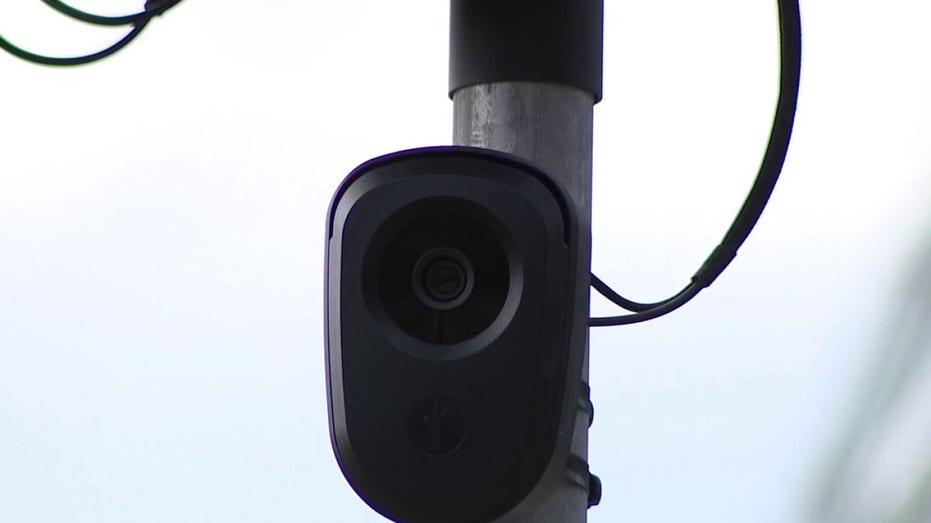
AUSTIN, Texas – The Texas Department of Public Safety (DPS) has recently installed several license plate readers along various state rights-of-way, prompting discussions about which agencies will have access to the data collected.
While the City of Austin discontinued its participation in this program last summer due to privacy concerns, numerous neighboring agencies continue to utilize the technology.
Currently, over 120 law enforcement agencies across Texas are authorized to access the DPS database. This includes departments in Cedar Park, Hutto, Marble Falls, New Braunfels, Round Rock, Elgin, Kyle, Bastrop, and Burnet.
Michael Bullock, President of the Austin Police Association, expressed the significance of these tools for law enforcement. “They’ve historically been a very powerful tool for obtaining leads, tracking stolen vehicles, and solving sometimes violent crime,” he stated. He emphasized how these cameras serve as a force multiplier, aiding officers amidst staffing challenges.
The DPS has highlighted the various benefits of the cameras, which include locating missing persons, recovering stolen property, and identifying suspicious vehicles.
In 2022, the Austin City Council had authorized the use of “Flock” cameras by the Austin Police Department (APD). However, the program was scrapped due to concerns regarding data utilization and privacy implications.
“Losing this tool has been detrimental to our investigative efforts and the work of patrol officers trying to recover stolen property,” Bullock remarked.
Despite Austin’s withdrawal from the program, the APD clarified that it does not maintain a contract with any automated license plate reader company and therefore cannot access the database directly. However, in collaborative investigations, if a partner agency possesses access, they may share relevant information, albeit limited to that specific case.
Jared McClain, an attorney with the Institute for Justice, raised concerns about the implications of such surveillance. He argued that allowing police to search vehicle data without a warrant infringes upon Fourth Amendment rights. “The person who should determine if there’s sufficient reason for a search is a neutral magistrate,” he asserted, emphasizing the need for judicial oversight to prevent potential abuses of power.
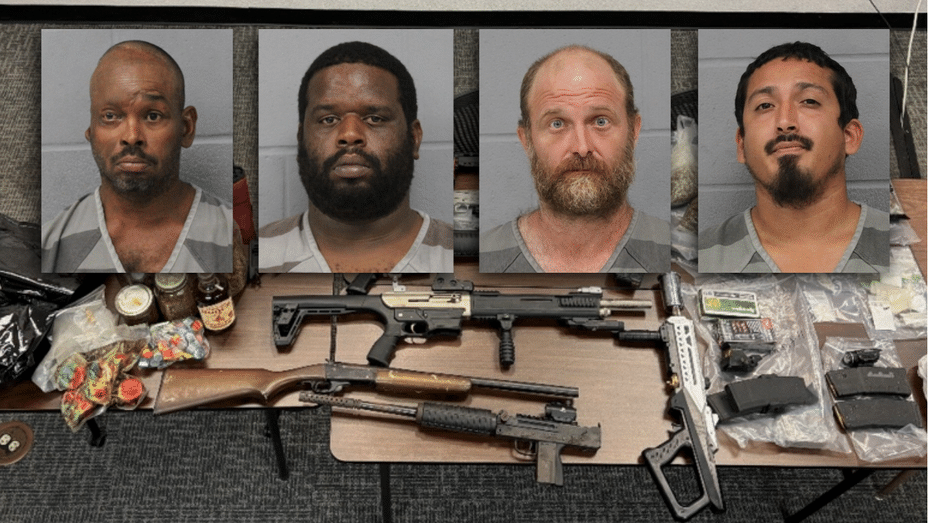
In recent weeks, the DPS reported that the license plate readers have already contributed to multiple arrests, including an alert for a kidnapping suspect, a traffic stop that resulted in the confiscation of six pounds of methamphetamine, and a stolen vehicle linked to a sexual assault and shooting investigation.
Access to footage from the license plate readers is restricted solely to law enforcement agencies that have entered into agreements with the DPS.