








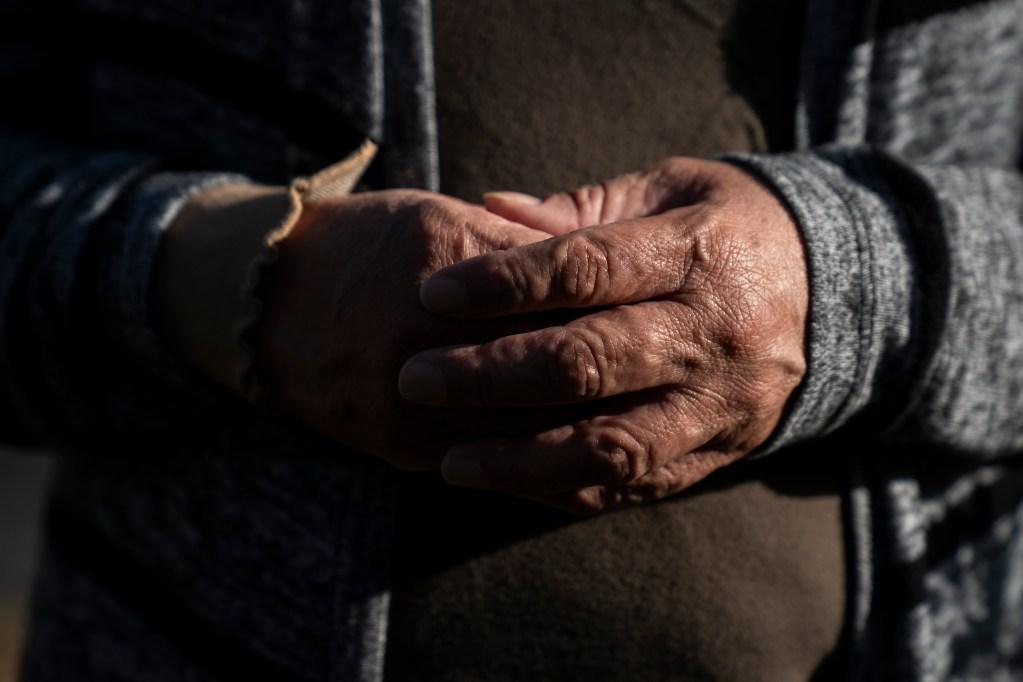
Last October, during a child’s birthday celebration, a 54-year-old woman from Edinburg, Texas, fell onto a tile floor, missing her chair. In excruciating pain, she pleaded, “Don’t take me to the hospital,” fearing that seeking medical help could expose her as an undocumented immigrant and lead to deportation.
With a throbbing head and sharp back pain, the mother of four, who requested anonymity, decided to endure her injuries rather than risk being targeted by immigration officials. Having lived in South Texas for 27 years, she had witnessed the deportation of distant family members and harbored deep fears about separation from her citizen children.
Healthcare Avoidance Among Undocumented Immigrants
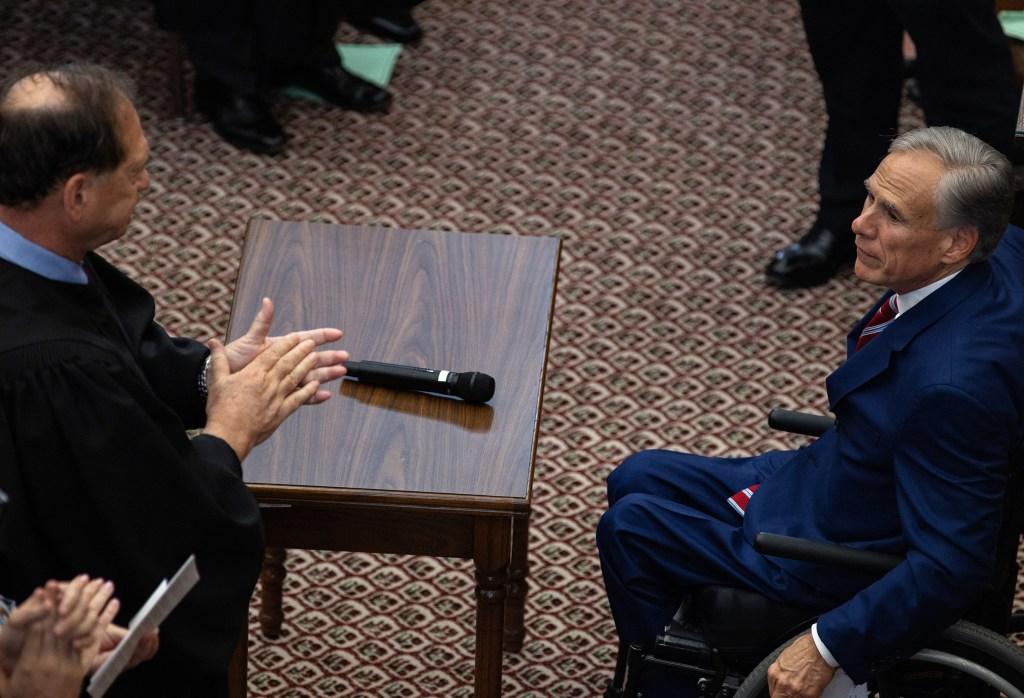
The woman’s experience reflects a broader trend among undocumented immigrants in Texas, who are increasingly avoiding hospitals due to fears of immigration enforcement. Following an executive order from Governor Greg Abbott in November 2024, hospitals began asking patients about their citizenship status, a move that has contributed to a significant decline in healthcare access for this community.
Data from the first ten months following the order indicates that undocumented immigrant hospital visits plummeted from approximately 30,000 in November 2024 to about 20,345 by August 2025—a decrease of 32%. In contrast, visits from legally present patients rose by 14%. Self-identified undocumented immigrants accounted for only about 2% of total visits, and numerous hospitals reported having no undocumented patients at all.
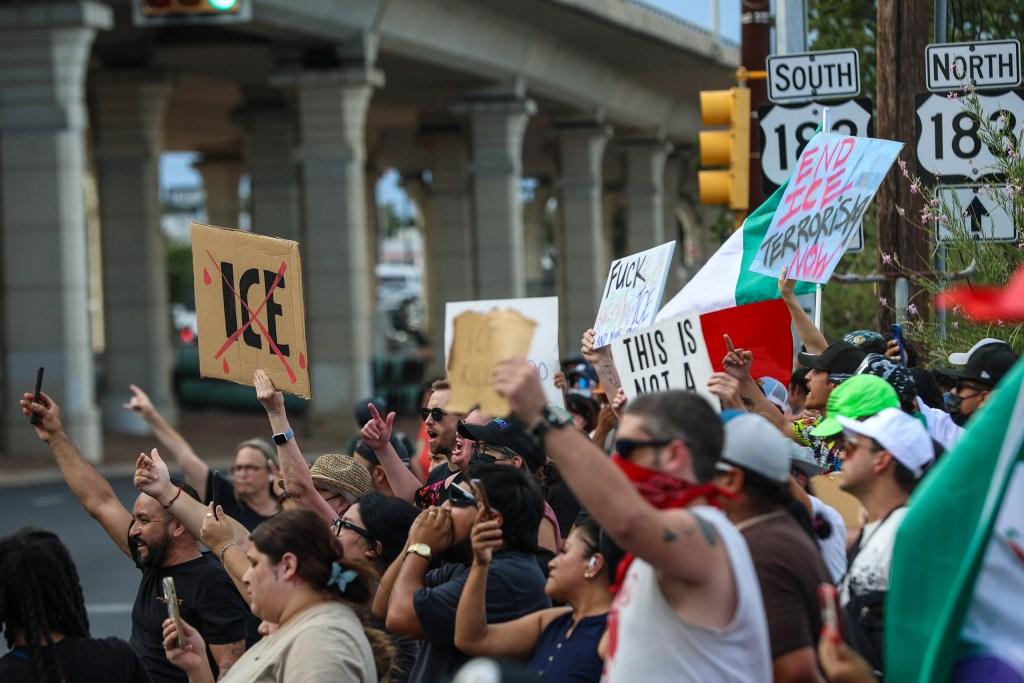
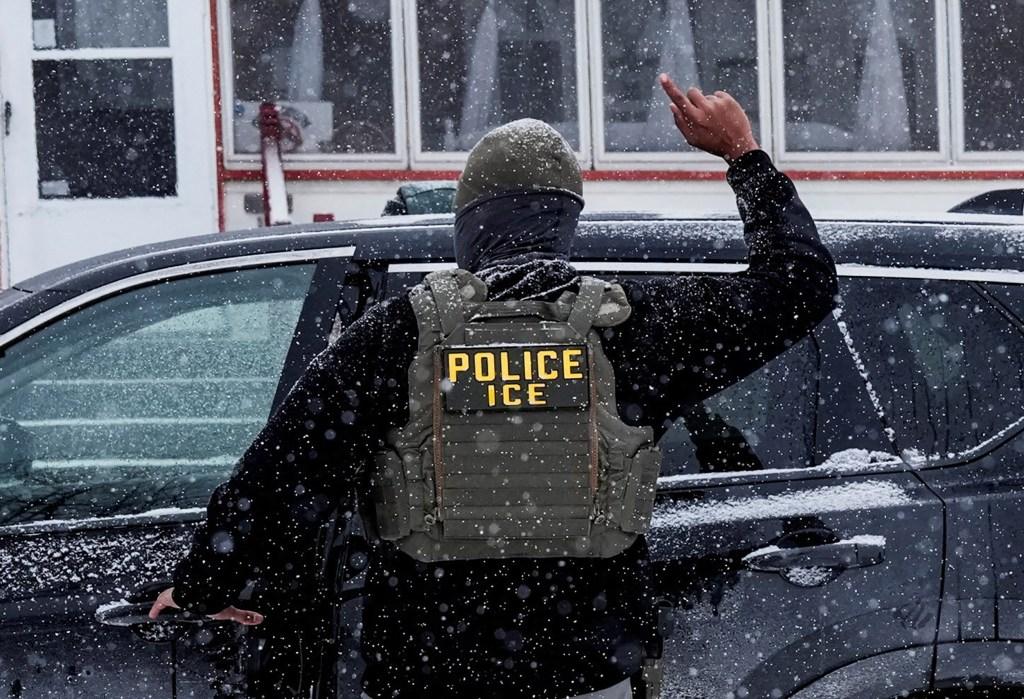
Experts attribute this drop to the stringent enforcement of immigration laws, combined with perceptions of increased risk in seeking care. The federal government’s recent policy changes have allowed immigration officials to operate in sensitive areas such as hospitals, creating an atmosphere of fear among immigrant communities.
Drishti Pillai, director of immigrant health policy at KFF, noted that these new policies have exacerbated existing barriers to healthcare for undocumented immigrants, who historically have utilized medical services at lower rates than the general population.
Consequences of Reduced Healthcare Access
Governor Abbott has argued that the data from his executive order demonstrates that public funds are being used to provide healthcare for undocumented immigrants. While the number of visits from this group has decreased, the average cost per visit has surged by approximately 50%, raising questions about the financial implications for taxpayers.
Critics point out that Abbott’s reporting does not capture the cost of visits from legally present immigrants, which complicates the understanding of the overall impact on healthcare funding. The voluntary nature of the citizenship question further muddies the waters, as many undocumented individuals may opt not to disclose their status, contributing to the reported decline in visits.
Healthcare advocates express concern that many undocumented immigrants, like the woman from Edinburg, are delaying necessary medical care, including preventive services. This delay can lead to worsened health outcomes and more expensive treatments down the line.
Impact on Families and Children
Dr. Ryan Padrez from Stanford University highlighted the long-term ramifications for children in mixed-status families, where parents may avoid seeking care for themselves and, consequently, for their children. This can result in untreated health issues that could have been addressed with timely interventions.
After her fall, the Edinburg woman has endured persistent headaches, vision problems, and memory issues, relying on ice packs for temporary relief. Her story is emblematic of the struggle many face in accessing healthcare due to fears of deportation and separation from their families.
Regional Trends and Hospital Responses
Across Texas, the trend of avoiding medical care is particularly pronounced in areas near the Mexico border. For example, Doctors Hospital of Laredo reported a nearly 48% drop in undocumented patient visits, while South Texas Health System in Edinburg experienced a 52% decline over the same period.
Social workers, who typically play a crucial role in connecting patients with healthcare resources, are finding it increasingly difficult to engage with patients who are apprehensive about being identified as undocumented. This hesitance complicates efforts to provide necessary support and resources.
Public Health Implications
The decline in healthcare visits raises alarms about potential public health crises. Phil Huang, director of Dallas County Health and Human Services, noted that during the back-to-school season, vaccination rates among children fell dramatically, attributed to fears surrounding immigration enforcement.
Experts warn that continued avoidance of healthcare could result in underdiagnosed conditions and exacerbate public health challenges in Texas, where recent outbreaks of measles and whooping cough have already been documented.
Seeking Alternatives for Care
For many undocumented immigrants, federally qualified health centers have become essential, as these facilities are required to provide services regardless of immigration status. However, recent policy changes have limited access to certain programs for undocumented individuals, further complicating their healthcare options.
Despite these challenges, some clinics are adapting by offering telehealth services that do not require personal information that could be shared with immigration authorities. This has allowed many to seek care without the fear of detection.
Conclusion
The woman from Edinburg continues to work as a home health aide despite her own health struggles, prioritizing her responsibilities while navigating a system that feels increasingly hostile. She prays for safety each day as she leaves her home, a poignant reminder of the complexities faced by many within Texas’s immigrant communities.