







Uncovering the Rich History of El Paso, Texas
El Paso, Texas, often regarded as a crossroads of cultures, boasts a vibrant tapestry of history that reflects its unique geographical position along the U.S.-Mexico border. The city is alive with stories of ancient civilizations, early settlers, and significant events that have shaped not only Texas but the entire nation. Visitors and locals alike are drawn to its stunning landscapes, diverse communities, and rich historical sites that offer a glimpse into the past.
Walking through El Paso is like flipping through the pages of a history book, with each site telling its own tale. For those eager to explore, a wealth of historic landmarks await, providing insight into the cultural and historical diversity that defines El Paso. Here are some must-visit historic sites that highlight the city’s storied past.
The Mission Trail: Echoes of the Past
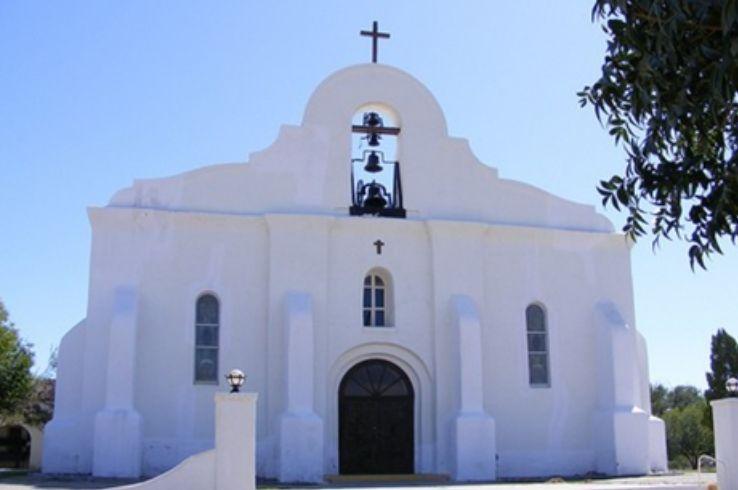
The Mission Trail is a significant historical route that showcases the architectural marvels and spiritual heritage of El Paso. This area features a series of missions established by Spanish colonizers in the 17th and 18th centuries. Among these, the San Elizario Mission, established in 1789, stands out for its stunning architecture and serene atmosphere. Visitors often marvel at the mission’s intricate details and the beautiful murals that adorn its walls.
Another notable site along the trail is the Ysleta Mission, which is the oldest continuously operating parish in Texas, dating back to 1682. As you explore this site, you’ll find a serene chapel where many locals have worshiped for generations. The mission is not just a place of worship; it’s a cultural hub that hosts various community events, exhibitions, and traditional celebrations.
The Mission Trail also includes the historic Socorro Mission, which is a testament to the area’s colonial past. Built in 1691, the mission features a beautiful courtyard and offers regular tours, allowing visitors to immerse themselves in the rich history of the region. The churches and missions along the trail are a vibrant nexus of history, spirituality, and culture that still resonate with the community today.
Exploring the Historical Significance
Walking the Mission Trail is more than just a physical journey; it’s an exploration of the complex narratives that define El Paso. Each mission has its unique story, influenced by indigenous cultures, colonial ambitions, and the blending of traditions from various communities. This convergence of cultures is symbolized by the architecture and artifacts found throughout the missions.
The missions were not only central to the spiritual life of the settlers but also played crucial roles in local governance and education. Local festivals, especially during the feast days, are a testament to the enduring legacy of these missions, drawing visitors who wish to partake in ancestral traditions while enjoying regional cuisine and folk arts.
As you traverse the Mission Trail, take the time to visit the nearby museums and community centers. Many of these institutions offer exhibitions and guided tours focused on the early history of El Paso and the surrounding region. Engaging with local historians can provide enriching perspectives on the intricate history of this unique area of Texas.
The El Paso Museum of History: A Repository of the City’s Past
Located in the heart of downtown, the El Paso Museum of History serves as a vital educational resource for both residents and tourists. Opened in 2006, this museum is dedicated to preserving the rich heritage of El Paso, with a particular emphasis on the influences of the Hispanic and indigenous cultures that have shaped the city over the centuries.
One of the museum’s highlights is its engaging exhibitions that feature artifacts, photographs, and multimedia displays. These exhibitions cover various topics, including El Paso’s role in the Mexican-American War, the evolution of trade and economy, and the significant contributions made by local figures throughout history. The museum frequently hosts rotating exhibits that delve into various aspects of El Paso’s past, offering visitors new perspectives even if they’ve been multiple times.
The museum is not just a display of the past; it actively engages with the community through educational programs, workshops, and events. Families and school groups often flock to the museum for interactive sessions that help bring history to life for younger generations. These initiatives bridge the gap between past and present, emphasizing the importance of understanding one’s collective heritage.
Community Involvement and Events
The museum also plays a crucial role in hosting community events that celebrate local culture and history. Annual festivals, lectures, and guest speaker series provide opportunities for the public to engage with historians, authors, and artists. These gatherings promote a deeper connection with El Paso’s historical narratives and foster a sense of community pride.
One of the museum’s notable events is the Fiesta de las Flores, an annual festival that celebrates the contributions of Hispanic culture to El Paso’s identity. Visitors can enjoy music, dance, art, and food that reflect the rich traditions of the area, transforming the museum into an interactive space of cultural exchange. This vibrant atmosphere epitomizes El Paso’s dynamic spirit, encouraging all to learn and celebrate together.
For those interested in deeper knowledge, the El Paso Museum of History provides various educational resources, such as historical archives and research libraries. The staff is always ready to assist visitors seeking to explore specific areas of interest, making it a truly invaluable community resource.
The Plaza Theatre: A Cultural Icon
No exploration of El Paso’s historic sites would be complete without a visit to the Plaza Theatre, an architectural gem that dates back to 1930. Originally built as a movie palace, this historic theatre has hosted countless performances, from silent films to live Broadway productions, making it a cornerstone of the city’s cultural landscape.
The Plaza Theatre has undergone extensive renovations to preserve its historical integrity while updating its facilities for contemporary audiences. The exterior of the theatre features stunning Art Deco architecture, with intricate details that draw the eye and evoke the glamour of a bygone era. Inside, visitors can explore the beautifully restored lobby, complete with ornate plasterwork and chandeliers, creating an ambiance of elegance that hearkens back to its original glory.
Today, the Plaza Theatre serves not only as a venue for performances but also as a space showcasing local artists and cultural events. The theatre regularly hosts film festivals, concerts, and community gatherings that provide a platform for creative artists and performers from the El Paso area. These events nurture the local arts scene and reinforce the theatre’s role as a cultural nexus.
Upcoming Events and Community Enrichment
Local residents often eagerly await annual events at the Plaza Theatre, such as the El Paso Film Festival, where filmmakers showcase their work and engage in discussions about their creative processes. These events allow for cultural exchange and education, providing insights into the artistic endeavors that define contemporary El Paso.
The Plaza Theatre is also involved in community outreach programs that aim to make the arts accessible to all. Educational workshops and outreach initiatives are designed to engage youth and inspire future generations of artists. These programs underscore the belief that everyone should have the opportunity to experience and participate in the arts.
Whether you are attending a classic film screening or a contemporary theatrical production, the Plaza Theatre remains a powerful symbol of El Paso’s cultural heritage and artistic spirit, reminding visitors of the city’s commitment to celebrating and preserving its rich history.
Franklin Mountains State Park: Nature Meets History
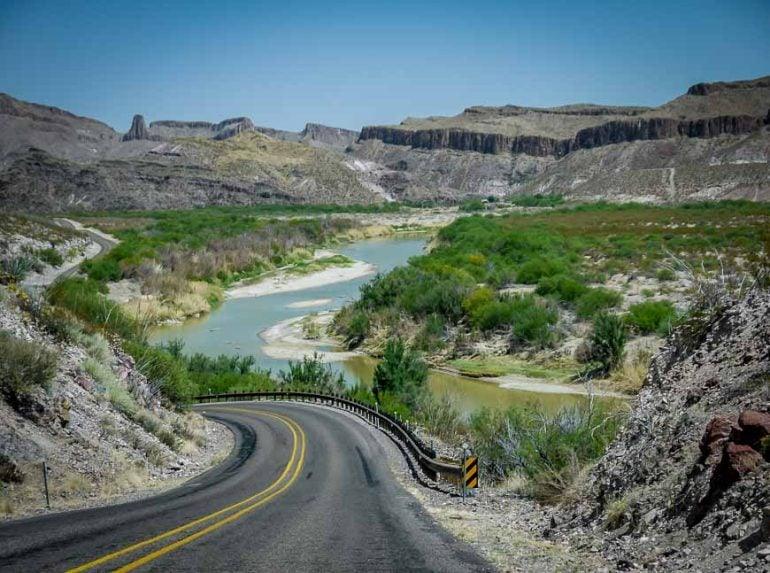
Beyond the urban landscape, the Franklin Mountains State Park provides a stunning natural backdrop rich in history. Located just north of El Paso, the park encompasses more than 27,000 acres of rugged terrain, vibrant ecosystems, and ancient geological formations. The Franklin Mountains are not just a playground for outdoor enthusiasts; they also hold significant historical and cultural importance to the indigenous peoples of the region.
As you hike the numerous trails that wind through the park, you can take in breathtaking views of the surrounding area, while simultaneously exploring the remnants of ancient civilizations. Archaeologists have documented many petroglyphs and artifacts left by the Native American tribes that once inhabited this land, offering glimpses into their lifestyles, beliefs, and interactions with nature.
The park is also home to several historic sites, including the remnants of mining operations from the late 19th and early 20th centuries. These sites reflect the region’s industrial history, showcasing how early settlers exploited the land for resources. Hikes like the Mt. Franklin Trail provide opportunities not only for exercise but also for educational exploration, as signs along the routes often explain the historical context of what you’re seeing.
Engagement with Nature and History
The Franklin Mountains State Park is more than just a destination for hiking; it serves as an educational hub that teaches visitors about the ecological and geological aspects of the area. Ranger-led programs, workshops, and guided hikes offer insights into the region’s diverse flora and fauna, as well as its historical significance. Visitors can engage in educational activities that illuminate the park’s ecological importance and help them develop an appreciation for the natural world.
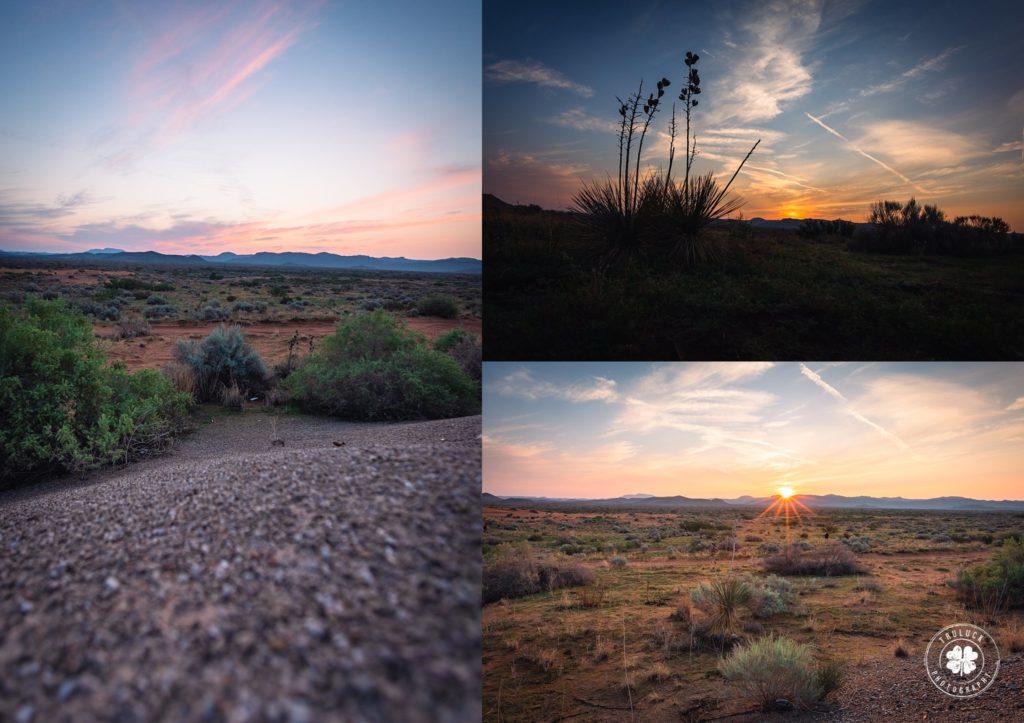
Additionally, the park hosts numerous events throughout the year, such as “Star Parties,” where enthusiasts can role-play as astronomers and enjoy the unpolluted night skies above the mountains. On these nights, visitors can gather at designated spots, often with telescopes, to marvel at celestial wonders while enjoying storytelling that recounts the historical significance of the environment around them.
Partaking in these experiences connects visitors to both the natural and historical narratives of the region, emphasizing the importance of preserving natural landscapes that have long been vital to human civilization. Hiking in Franklin Mountains State Park creates a unique intersection between history and nature, where visitors can walk the same paths as ancestors who roamed the land many centuries before.
Exploring El Paso’s Historic Neighborhoods
El Paso’s historic neighborhoods, including Chamizal and Sunset Heights, add another layer of depth to the city’s rich history. These neighborhoods embody the cultural diversity and architectural heritage of El Paso, providing visitors with an authentic glimpse into the city’s day-to-day life and history.
Chamizal, known for its vibrant arts scene and rich history related to the boundary dispute between the United States and Mexico, is an essential reminder of the complex relations that have shaped the border region. Art galleries, street murals, and cultural festivals celebrate the local history and the shared heritage between the two nations. The neighborhood has become a local example of unity and resilience, showcasing how art can bridge divides and foster understanding.
Sunset Heights, with its early 20th-century adobe homes and picturesque streets, is another area worth exploring. This neighborhood highlights El Paso’s architectural evolution, with well-preserved buildings that tell the story of family life and community development over the decades. Walking tours conducted by local historians offer fascinating insights into the architectural styles and the families that once inhabited these charming homes.
Community and Cultural Celebrations
One of the most cherished aspects of El Paso’s historic neighborhoods is their lively community spirit, evidenced by the various festivals and gatherings held throughout the year. Cultural events celebrating Mexican traditions, such as the Cinco de Mayo Festival and the Day of the Dead celebrations, fill the streets with color, music, and a sense of shared identity. These events are excellent opportunities for visitors to immerse themselves in the local culture and enjoy authentic cuisine while connecting with the community.
For those interested in history and culture, community centers within these neighborhoods often offer classes and workshops focused on traditional arts, music, and cuisine. Engaging with community members provides visitors with a deeper understanding of what it means to be part of this diverse metropolitan area.
By exploring these historic neighborhoods, visitors not only experience the rich history of El Paso but also foster connections with the people who live there, creating a sense of shared stories and legacies that transcend generations and cultures.
Final Thoughts on El Paso’s Historic Journey
El Paso is a city steeped in history and cultural richness, where the past is meticulously woven into the fabric of everyday life. From the ancient missions along the Mission Trail to the vibrant arts of the Plaza Theatre, each historic site offers an opportunity for exploration and education. Whether you’re hiking in the Franklin Mountains or wandering through the historic neighborhoods, you become part of a narrative that spans centuries, revealing not only the legacy of El Paso but also the human spirit’s resilience and creativity.
As you plan your visit to this remarkable city, consider setting aside time to delve into the stories that these iconic sites hold. Each landmark serves as a reminder of El Paso’s diverse cultural heritage and collective memory, inviting you to learn, reflect, and celebrate the journey of a city that continues to evolve while cherishing its past.