









Exploring Dallas: A City Rich in History
Dallas, Texas, is often celebrated for its vibrant culture, bustling economy, and modern amenities. However, it also boasts a rich tapestry of history represented by numerous landmarks that tell tales of resilience, innovation, and change. From the significant events of the assassination of President John F. Kennedy to the architectural triumphs of the 20th century, Dallas has preserved its historical essence through various iconic sites. Each of these locations not only showcases the city’s heritage but also provides insight into the diverse narratives that shaped the region.
As visitors embark on their journey through this dynamic city, they will encounter a blend of memorials, museums, and historic districts that are essential to understanding Dallas and its legacy. Here are some of the most noteworthy landmarks that encapsulate the spirit of this Texan metropolis.
The Sixth Floor Museum at Dealey Plaza
Perhaps the most compelling historical site in Dallas is The Sixth Floor Museum at Dealey Plaza, located in the former Texas School Book Depository. This museum is dedicated to the life and legacy of President John F. Kennedy, who was assassinated on November 22, 1963. The museum occupies the sixth floor of the building where Lee Harvey Oswald fired the fatal shots.
Visitors are invited to explore the extensive collection of documents, photographs, and films that chronicle the events leading up to and following the assassination. The museum does an exceptional job of providing context about the Kennedy administration and the tumultuous social and political atmosphere of the 1960s. Visitors can see exhibits detailing Kennedy’s life, key moments in his presidency, and the impact of his death on the nation. The museum also features a reconstructed view from the window where Oswald shot Kennedy, allowing guests to grasp the geography of that fateful day.
While the museum deeply engages with the historical aspects of Kennedy’s life, it also serves as a memorial for a generation that mourned the loss of hope and leadership. As a part of the larger Dealey Plaza Historic District, the site is not only pivotal for understanding American history but also as a gathering place for reflection and remembrance. The poignant echoes of the past resonate throughout the plaza, reminding all visitors of the complexities of the era.
Dallas Heritage Village
Step back in time at Dallas Heritage Village, an open-air museum that immerses visitors in the life of 19th-century Texas. Nestled in the heart of the city, this historical attraction features more than 38 historic structures that have been relocated to create a cohesive village vibe. Each building is meticulously restored, showcasing the architecture and lifestyle of early settlers in the region.
The village is an educational treasure trove for families and history buffs alike, offering interactive exhibits and programs that bring history to life. Guests can stroll along the picturesque pathways, interact with costumed interpreters, and engage in hands-on activities, all of which help paint a vivid picture of life in Dallas hundreds of years ago. There are period-specific events throughout the year, including traditional holiday celebrations and farmer’s markets that engage the community.
Significant buildings within the village include the Victorian-style mansion known as the “Pioneer Plaza,” which showcases the elegance of the time, as well as a blacksmith’s shop and a general store. Visitors can also enjoy the serene gardens, which were designed to reflect the botanical heritage of the area. Dallas Heritage Village is not just a glimpse into the past but a vibrant community resource that educates and connects people through the shared narrative of Dallas history.
Reunion Tower
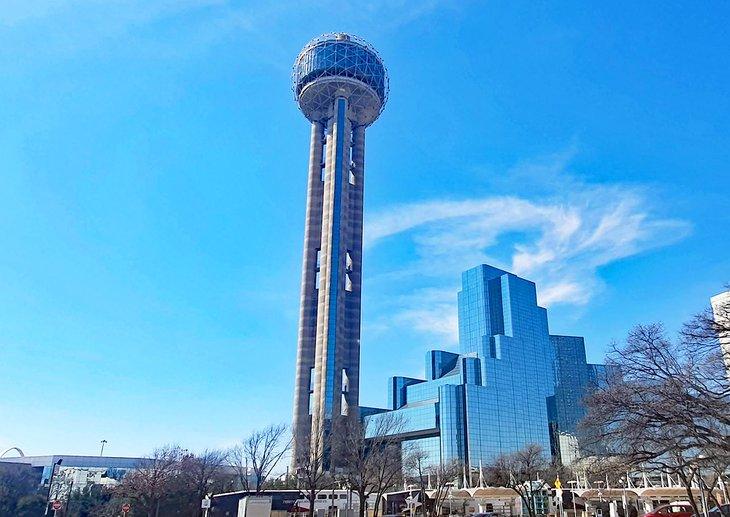
Skyline enthusiasts should not miss Reunion Tower, one of the most recognizable landmarks in Dallas. Standing at 561 feet, this observation tower offers sweeping panoramic views of the city and surrounding areas. Completed in 1978, it has become an enduring symbol of Dallas, often depicted in photographs and artwork that captures the city’s skyline.
The tower features a unique design with a large ball perched atop a slender column, creating an almost futuristic appearance. Visitors can ascend to the observation deck, which is equipped with interactive kiosks that provide insights into various landmarks visible from the tower. This experience allows guests to appreciate the architecture of the city while understanding its historical significance and growth.
At night, the tower comes alive with a vibrant light show, becoming a beacon of Dallas culture and creativity. The illuminated ball features dynamic displays that celebrate holidays, events, and community initiatives. Reunion Tower is a place where history meets modern innovation, embodying Dallas’s spirit of progress while allowing for reflection on its past.
The Old Red Museum
The Old Red Museum is a must-see for anyone interested in the history of Dallas and its people. Housed in the historic Old Red Courthouse, this museum tells the story of Dallas from its founding to the present day. The courthouse itself is a stunning example of Richardsonian Romanesque architecture, completed in 1892, and is one of the oldest and most beautifully preserved buildings in the city.
The museum exhibits span a wide chronology, focusing on significant events, people, and industries that have shaped the region. From the oil boom of the early 20th century to the civil rights movement, visitors can explore how these events impacted the daily lives of Dallas residents. Artifacts, photographs, and multimedia presentations bring to life the tales of struggle, triumph, and resilience.
With a commitment to education, the Old Red Museum hosts various programs and lectures throughout the year, inviting community members and visitors to engage with local history. The museum does not just serve as a passive exhibition space but as a vital part of the community dialogue about heritage and identity. A visit to the Old Red Museum is an engaging way to connect with Dallas’s past while paving the way for future discussions.
Klyde Warren Park
Located atop the Woodall Rodgers Freeway, Klyde Warren Park is an innovative urban green space that connects the Dallas Arts District to the city’s downtown. Opened in 2012, this 5.2-acre park has transformed the urban landscape and serves as a community hub. It is also home to the iconic Margaret Hunt Hill Bridge, which has become a symbol of Dallas’s commitment to integrating nature within the city’s framework.
While Klyde Warren Park is a contemporary space, it incorporates elements that pay tribute to the history of Dallas. The park hosts numerous events, programs, and festivals throughout the year, including outdoor movie nights, yoga sessions, and food truck gatherings. Visitors can explore the park’s walking trails, gardens, and interactive sculptures, all while enjoying views of the surrounding historic buildings.
This park represents the evolution of Dallas as it embraces modernization while honoring its historical roots. It encapsulates the blend of past, present, and future – making it a vital part of Dallas’s identity. By providing a place for recreation and reflection, Klyde Warren Park enhances the community experience, allowing residents and visitors to gather in a shared space that embodies the spirit of Dallas.
The Bishop Arts District
The Bishop Arts District is a vibrant neighborhood in Oak Cliff, known for its eclectic culture and rich history. Originally a center for commerce in the early 1900s, this area has undergone a significant transformation, combining historic charm with contemporary artistic expression. Strolling through the streets, visitors are greeted with a stunning array of murals, unique boutiques, and innovative eateries, all set against a backdrop of preserved historic buildings.
The streets of the Bishop Arts District tell the stories of the diverse communities that have influenced Dallas’s growth and culture. Each storefront has its own narrative, reflecting the entrepreneurial spirit of the neighborhood’s inhabitants. Many establishments draw inspiration from the area’s past, blending modern design with vintage aesthetics that harken back to earlier times.
Annual events, art walks, and festivals encourage community participation, making the Bishop Arts District a livable tapestry of history, art, and culture. This area’s commitment to celebrating its heritage while fostering creative innovation makes it a prime destination for travelers looking to immerse themselves in the true heart of Dallas.
Final Thoughts on Dallas’s Historic Landmarks
Dallas is not just a city of the present; it is a place deeply grounded in history, reflecting the journeys and stories of those who came before. The landmarks discussed are merely a snapshot of what Dallas has to offer concerning its rich historical tapestry. As visitors explore these sites, they engage with the narratives and experiences that have shaped the city over centuries. From poignant memorials to innovative public spaces, each landmark invites further exploration and contemplation.
With such a diverse array of historic landmarks, Dallas stands out as a city that values its past while embracing the future. Whether you are visiting for the first time or returning to explore more, the city’s history is alive and waiting to be discovered. So, pack your bags and get ready to experience the rich heritage of Dallas!