









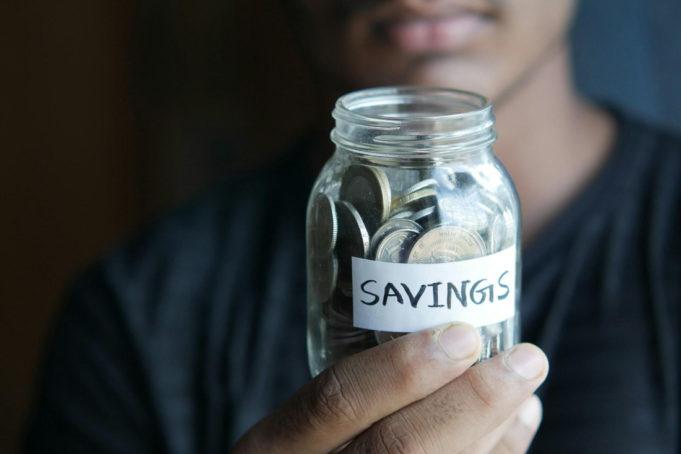
Emergency savings have always played a crucial role in financial planning, but for many families, they have become more essential than ever. With rising everyday costs, unexpected medical bills, and ongoing housing expenses, a single disruption in income can lead to significant stress. In a climate where budgets are already tight, an unforeseen expense can quickly escalate into a crisis.
Establishing an emergency fund is more than just a financial strategy; it serves as a stabilizing force. It provides options when life takes an unexpected turn and helps individuals avoid hasty decisions made in moments of pressure. Even if the initial savings are modest, accumulating a small buffer can have a substantial impact.
The Rising Cost of Living
Many individuals find themselves spending significantly more on basic necessities than they did just a few years ago. Essential expenses such as groceries, gas, utilities, insurance, childcare, rent, and home maintenance now consume a large portion of monthly incomes. When regular expenditures offer little flexibility, dealing with surprise costs becomes increasingly challenging.
For someone living paycheck to paycheck, a $300 car repair or a $150 urgent care visit may seem manageable in theory, but the reality is that it can have a domino effect on their finances. Such expenses may force individuals to delay paying another bill, rely on credit cards, forgo necessary purchases, or borrow from family.
An emergency fund provides the breathing room needed to tackle problems without derailing the household budget immediately.
Multiple Emergencies Can Strike Simultaneously
One of the complexities of financial planning is that emergencies rarely strike in isolation. A car issue may coincide with a child falling ill, or a missed work shift could occur just before a rent increase. When multiple crises arise in quick succession, stress can mount rapidly. Without savings, individuals may be forced to make difficult choices regarding urgent needs. A modest emergency fund can offer the flexibility to manage these situations calmly and make informed decisions.
While savings cannot prevent emergencies, they can mitigate their impact, transforming potential disasters into manageable setbacks.
The Financial Burden of Medical Expenses
Medical costs frequently emerge as a primary reason for needing emergency savings. Expenses related to doctor visits, prescriptions, dental work, urgent care, tests, specialist consultations, and follow-up care can accumulate quickly. Even those with insurance may encounter deductibles, copays, out-of-network charges, or services that are only partially covered.
Health-related expenses can bring additional financial strain, requiring time away from work, transportation costs, childcare arrangements, or the purchase of medical supplies. The bill itself is often just one aspect of the overall expenditure.
When savings fall short of covering an unexpected health-related bill, individuals may find themselves weighing hospital payment plans, financial assistance programs, credit options, or personal loans for medical costs. However, possessing even a small emergency fund can diminish the urgency to make hasty borrowing decisions during challenging times.
Avoiding High-Interest Debt with Emergency Savings
In the absence of savings, unexpected expenses often lead to reliance on credit cards or other high-interest borrowing methods. While credit can be beneficial in some situations, depending on it for every emergency can complicate financial recovery. Interest charges can transform a fleeting issue into a long-term financial burden.
For instance, utilizing a credit card for a necessary repair might address the immediate need, but if the balance cannot be paid off quickly, the costs continue to escalate. Over time, monthly payments may consume funds that could have been allocated to savings, groceries, rent, or other vital expenses.
An emergency fund serves as a first line of defense, enabling individuals to cover urgent costs directly and reducing the need to borrow or limiting the amount required.
Flexibility Through a Cash Cushion
Emergency savings are invaluable because they offer choices. If a vehicle malfunctions, having savings may allow for prompt repairs, ensuring continued employment. If a family member falls ill, funds can provide the means to take necessary time off without immediate financial repercussions. Should housing circumstances shift, savings can assist with moving expenses or deposits.
While money cannot alleviate all hardships, it can foster flexibility, granting individuals the time to explore options, ask questions, negotiate bills, or devise a plan rather than reacting impulsively out of fear.
This flexibility is particularly crucial for those with irregular income, hourly jobs, freelance positions, or limited benefits. When monthly earnings fluctuate, savings help bridge the gaps.
Emergency Funds and Mental Well-Being
Financial stress extends beyond mere monetary concerns; it can impact sleep, relationships, work performance, parenting, and physical health. The persistent worry of being one bill away from crisis can be exhausting.
While having an emergency fund does not eliminate financial stress, it can alleviate the sense of panic during unforeseen events. Knowing there are funds set aside for true emergencies can contribute to a more stable daily life.
Even a small reserve, such as $250 or $500, may not cover every potential emergency, but it can assist with many smaller issues and instill confidence that progress is achievable.
Starting Small and Building Consistency
Emergency savings flourish through regular contributions. There’s no need to amass a large sum all at once. Setting up a small automatic transfer on payday can help instill the savings habit. While saving $10, $20, or $25 may seem slow, it accumulates over time.
Occasional windfalls can also accelerate fund growth. Tax refunds, work bonuses, side income, cash gifts, or proceeds from selling unused items can all contribute. If you reduce a recurring bill or cancel a subscription, consider directing the savings into your emergency fund before it disappears into everyday expenses.
The aim is to make saving straightforward and automatic.
Rebuilding After Using Your Fund
Utilizing your emergency fund is not indicative of failure; rather, it signifies that the fund fulfilled its purpose. If you draw from your savings, prioritize rebuilding as soon as possible, returning to the same savings routine that initially helped you accumulate the fund.
Emergency savings are not a one-time endeavor; they represent an ongoing commitment to financial stability.
Final Thoughts
Emergency savings are essential because life can be unpredictable. Expenses increase, jobs fluctuate, cars malfunction, illnesses arise, and bills arrive unexpectedly. A financial cushion empowers individuals to navigate these moments with greater control and reduced anxiety.
There is no need to construct a perfect emergency fund overnight. Begin small, maintain consistency, and safeguard the money for genuine needs. Over time, even modest savings can yield increased stability, enhanced choices, and improved peace of mind.