









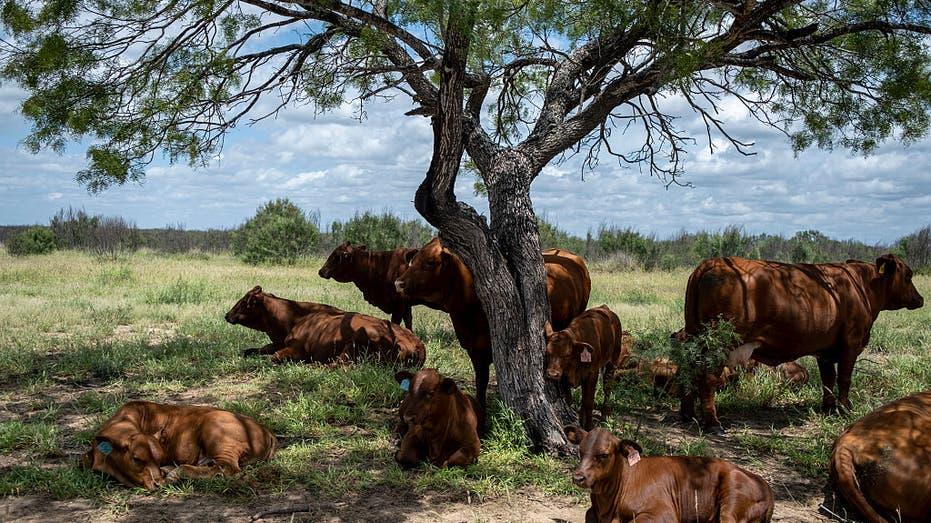
Texas has introduced an online training program aimed at equipping more professionals in animal health, livestock, and agriculture with the skills to identify infestations of the New World screwworm. This initiative comes in response to the detection of ten cases of this pest in the state since June 3, prompting the Texas Animal Commission to designate five regions as quarantine zones.
The training course is designed to expedite inspections that facilitate the movement of cattle and livestock within Texas. Governor Greg Abbott emphasized the state’s commitment to protecting the cattle industry and wildlife, stating, “The State of Texas will use every tool to protect our cattle industry and wildlife while we eradicate this pest.” He noted that the swift development of this training program will empower more individuals, including those in the private sector, to inspect and certify animals for transport, thereby safeguarding ranchers and the food supply.
Developed by Texas A&M AgriLife Extension in collaboration with the Texas Animal Health Commission (TAHC), the course is available through the AgriLife Learn platform. It features narrated modules, videos, and knowledge assessments that cover the biology and lifecycle of the New World screwworm. Participants will also learn about the protocols for reporting, inspecting, and treating affected animals, along with the necessary permits for animal movement.
The certification is offered to a range of professionals, including veterinarians, veterinary technicians, AgriLife extension agents, and inspectors from various state departments. The course is also accessible to any Texas resident for educational purposes.
USDA Secretary Brooke Rollins stressed the importance of inspector training in controlling the spread of the New World screwworm, stating, “Stopping the spread of NWS will not be possible without our inspectors knowing what to look for.” She expressed gratitude towards Governor Abbott and the collaborating agencies for their roles in combating this issue.
Since June 3, the USDA has confirmed ten instances of the New World screwworm in Texas, with cases reported in Edwards, Tom Green, Zavala, Gillespie, and La Salle counties, affecting both cattle and goats. An initial case involving a dog in Andrews County was later reclassified as New Mexico’s first confirmed infection after further investigation revealed the animal resided in Lea County, New Mexico.
Updates on the situation will be provided by the Texas Parks and Wildlife Department, which has established a public information page to communicate new detections daily.
Understanding the New World Screwworm
The New World screwworm is recognized as one of the most harmful pests affecting livestock and wildlife throughout history. It derives its name from its exclusive presence in the Americas, where it lays eggs in open wounds of animals, with larvae that act as parasites. Unlike typical fly larvae, screwworm maggots consume living tissue, leading to serious injuries and significant economic losses if left untreated. Though rare, these pests can also infect humans.
Officials have urged livestock owners and veterinarians to remain vigilant and promptly report any suspected infestations. The TAHC is addressing livestock-related cases, while human infestations fall under the jurisdiction of the Texas Department of State Health Services.
The New World screwworm was largely eradicated in Texas and the broader United States during the 1960s. However, it is now making its way north from Panama, with a known presence just over 300 miles south of the Texas-Mexico border. In an effort to eliminate this pest, federal authorities are accelerating the release of billions of sterile flies bred in laboratories, supplementing the four million sterile flies already being released aerially each week. This method aims to reduce the population by ensuring that wild flies mate with sterile counterparts, resulting in no offspring.