









The summer of soccer in 2026 is upon us, and with it comes an overwhelming wave of excitement and trepidation. This year’s World Cup fever is palpable, characterized by binge-watching matches, following numerous national teams, and nurturing lofty hopes for a team that may not live up to expectations. Yet, alongside the thrill lies a growing sense of unease, as this tournament appears to carry a unique set of potential pitfalls that could mar its legacy.
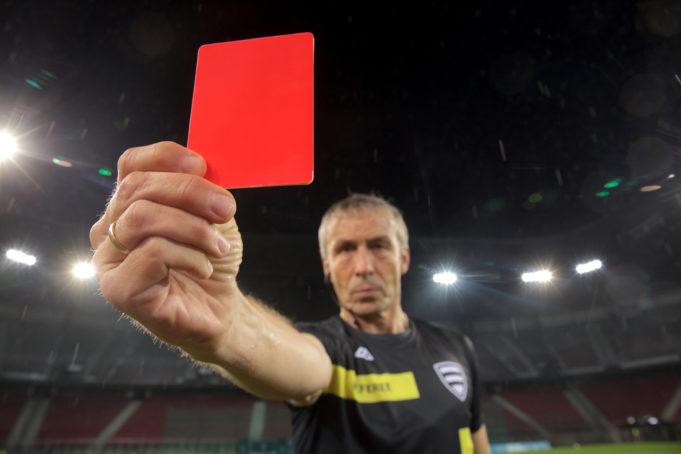
In football, a red card signifies a serious foul leading to a player’s ejection, leaving their team to continue with one fewer player. A yellow card serves as a warning for less severe infractions, with two yellow cards resulting in a red card and subsequent dismissal. These rules are fundamental to the sport, yet they serve as a metaphor for the potential challenges facing this World Cup.
Historically, World Cups have not been without their controversies. FIFA’s long-standing issues with corruption have cast shadows over recent tournaments, with the 2018 and 2022 events marred by allegations of misconduct in their bidding processes. Qatar’s World Cup preparations raised ethical concerns, particularly regarding labor practices that led to worker fatalities. Brazil’s extravagant spending in 2014 stood in stark contrast to the extreme poverty faced by many citizens, while Mexico’s 1986 hosting was born out of violence in Colombia. Argentina in 1978 operated under a dictatorship that influenced the tournament, and the 1962 event in Chile was marred by violence. The upcoming 2026 tournament seems poised to inherit a mix of these historical issues, raising questions about its conduct.
Yellow Cards
One glaring issue already drawing scrutiny is the exorbitant ticket prices, which threaten to alienate genuine fans. With group-stage tickets averaging between $500 and $600 and finals tickets reaching upwards of $10,000, many die-hard supporters may find themselves priced out of attending. Ancillary costs such as inflated parking fees and overpriced concessions further exacerbate the situation. While it’s likely that wealthy attendees will fill the stands, the absence of passionate, dedicated fans could result in a lackluster atmosphere, depriving the tournament of its true spirit.
The financial strain extends beyond ticket sales. Increased transportation costs, elevated parking fees, and even admission charges for traditionally free fan zones contribute to the financial burden on local fans. The World Cup is expected to be a lucrative event for host cities, yet the pervasive greed in ticketing and associated costs could tarnish the experience. For the U.S. Soccer Federation, which aims to inspire future generations, the exclusivity created by high prices could hinder the growth of soccer in the country.
Despite predictions of record revenue from the tournament, there are troubling signs regarding local business impacts. FIFA’s decision to cancel numerous hotel block reservations raises concerns about lower-than-expected bookings, which could hurt revenues for restaurants, bars, and other businesses anticipating a surge in visitors. The Club World Cup in 2025 highlighted the ongoing intersection of sports and politics, particularly with the presence of figures like Donald Trump alongside FIFA president Gianni Infantino.
On the field, hopes are high for an exciting tournament. The expanded format allows for 48 teams, showcasing a wealth of talent. The U.S. Men’s National Team boasts a generation of players competing at high levels, yet their recent performances have been inconsistent, raising doubts about their potential success in the tournament. A poor showing at home could severely set back the sport’s momentum in the U.S., which has seen renewed interest since the 1994 World Cup.
Additionally, the implementation of mandatory water breaks during matches, particularly in the sweltering summer heat, raises questions about the disruption of gameplay. While health considerations are important, introducing breaks in a fast-paced sport like soccer may detract from the flow of the game, potentially benefitting teams more accustomed to strategy shifts during stoppages.
For the first time since 1930, the World Cup final will feature a halftime show, with Shakira, Madonna, and BTS set to perform. While this may appeal to a wider audience, it alters the traditional dynamics of halftime, potentially affecting players’ focus and readiness for the second half.
Red Cards
One of the most concerning issues is the restriction of fan access, limiting the ability of many to support their national teams. The current U.S. administration’s divisive policies have left fans from countries like Iran, Haiti, Senegal, and the Ivory Coast barred from attending. This blanket approach unfairly punishes well-meaning supporters while adding layers of complexity to the event.
Travel restrictions have already caused difficulties for participants, with visa issues preventing some staff from attending. The plight of Iraqi footballer Aymen Hussein, who faced detention and questioning at the airport, highlights the challenges that could overshadow the tournament’s spirit of unity.
The backdrop of political tensions further complicates the tournament. Iran’s participation, amidst ongoing conflict with the U.S., raises questions about the intersection of sports and international relations. While logistical challenges have been addressed by relocating Iran’s training camp to Mexico, the potential for controversy remains as the tournament unfolds.
Hard Fouls
As the tournament approaches, some trivial concerns also linger, such as the mispronunciation of players’ names by commentators, which can come across as dismissive to the players and their nations. Additionally, the expectation that European teams will adapt to the intense Texas heat could lead to humorous exchanges, yet it remains a critical consideration for all participants.
Transportation logistics may pose hurdles for fans unfamiliar with the local infrastructure. As many games are marketed as being in “Dallas,” the reality is that they will take place in Arlington, complicating travel plans for those expecting easier access.
Ultimately, my World Cup excitement will only be fully realized through goals, jubilant fans, and a celebration of sport. I remain hopeful that this summer’s tournament will be defined by positive experiences rather than negative incidents, and that any cards given will strictly pertain to on-field actions.