






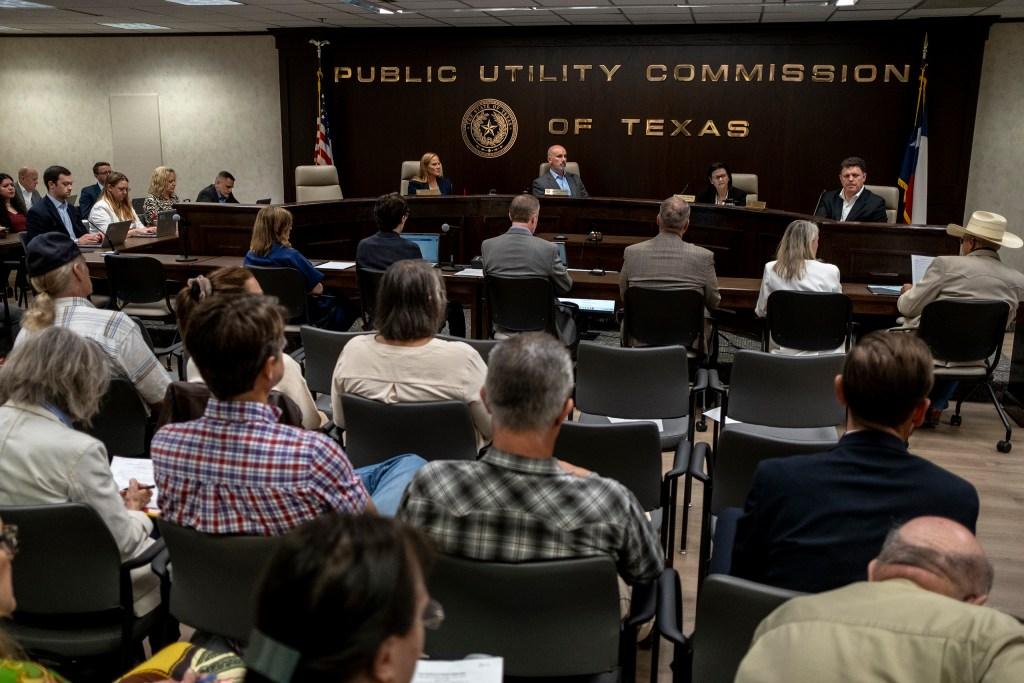
The audit and verification of data centers mandated by Governor Greg Abbott will encompass approximately 250 to 300 projects, primarily consisting of data centers, as confirmed by officials from the state grid operator during a Public Utility Commission meeting on Friday.
The officials underscored the scale of this expansion, noting that the anticipated 200 gigawatts of future demand from the audited projects exceeds twice the peak demand record previously set by the Electric Reliability Council of Texas (ERCOT) last month.
ERCOT will require “several months” to complete the audit, which is necessary before any data center can be approved for connection to the state grid, in line with Abbott’s directive issued on August 3. Although ERCOT had already initiated an assessment process for large load projects seeking to connect to the grid, the governor’s audit order elevates these checks to a top priority and introduces additional requirements, according to officials.
“With the governor’s letter, we are prioritizing the verification process before we commence the interconnection study,” stated Chad Seely, ERCOT’s general counsel and senior vice president of regulatory policy.
Meeting Highlights and Project Scope
The emergency meeting of the Public Utility Commission marked the first public discussion between state regulators and grid operators since Abbott called for a halt on data center approvals amidst public opposition to the rapid expansion of these facilities across Texas.
It was clarified that the audit will focus on projects under consideration in ERCOT’s “Batch Zero” study, which has been ongoing since the start of the year. This study aims to streamline the grid approval process as over 1,800 individual projects—90% of which are data centers—have overwhelmed the approval queue in recent years.
Previously, projects were evaluated and approved on a case-by-case basis; however, the surge in requests has prompted ERCOT to adopt a new system for batch studying and approving projects.
Although the work mandated by Abbott’s audit was already part of the Batch Zero study, it introduces additional standards that data center projects must satisfy. ERCOT officials indicated that spot checks were already planned for the first batch of 250 to 300 projects, and these checks will now be conducted prior to advancing with the rest of the study.
“The verification audit aims to enhance certainty and confidence in the Batch Zero process,” remarked Thomas Gleeson, chair of the Public Utility Commission.
Project Status and Future Steps
While Abbott’s order targets data centers in the approval queue, ERCOT officials mentioned that a small number of the projects to be audited are traditional large-load energy consumers, such as factories. Although ERCOT was expected to notify developers of the projects included in the first batch study last week, this notification was delayed at the request of ERCOT following the governor’s letter.
ERCOT intends to complete its assessment of the first batch of projects by the original deadline of April. Both ERCOT and representatives from data center companies have indicated that many of the over 1,800 projects in the queue, which represent more than 474 gigawatts of potential demand, are unlikely to materialize due to various factors, including a lack of financing and commitments for server space leasing.
The substantial queue has hindered ERCOT from providing demand forecasts for the grid, leaving uncertainty about how many projects will actually become operational in the coming years.
Experts have described the Batch Zero study as a pioneering initiative by a U.S. grid operator to develop a more structured approval process tailored to the energy demands of data centers.
Support for the Audit and Broader Implications
Since the initiation of the audit, at least 43 companies involved in data center construction have publicly endorsed Abbott’s approach. The governor has highlighted these endorsements, asserting that his directives aim to address public concerns surrounding the facilities.
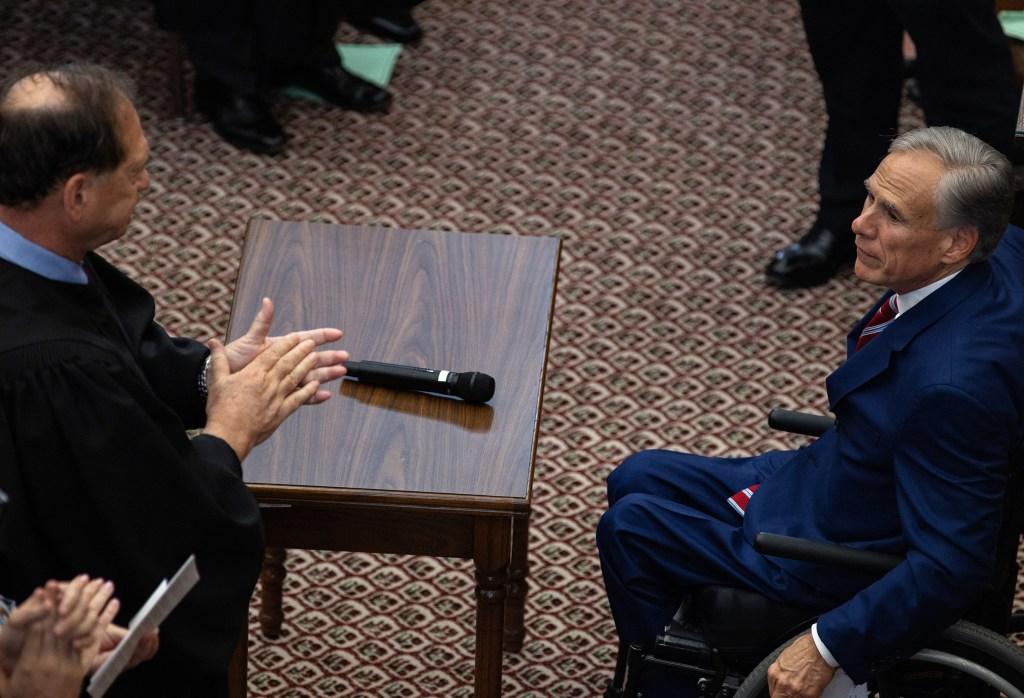
In a statement, Abbott emphasized the need for “clear guardrails” to ensure that data centers are responsible for protecting the electric grid, conserving water, respecting local communities, and covering their own costs. He specified that any projects failing to meet his “comprehensive verification and audit” requirements should be denied grid connection.
Furthermore, Abbott directed the Public Utility Commission in June to ensure that data center interconnections lead to lower electricity rates for residential customers and that data centers bear the expenses associated with any new transmission infrastructure required for their operation.
Transmission Line Controversy
Linked to the data center debate is ERCOT’s proposal to construct extensive 765 kilovolt transmission lines across much of Texas, intended to alleviate transmission congestion resulting from rising energy demand. Residents along the proposed routes have expressed frustration with the PUCT’s approval process, claiming it does not allow sufficient time for landowners to participate.
After a Senate interim committee hearing in late July, which featured extensive testimony from residents opposing the transmission lines, several legislators, including Lieutenant Governor Dan Patrick, urged the PUCT to deny any applications for certificates of convenience and necessity (CCN) from transmission companies until the Legislature reconvenes to amend the approval process. Denying the CCN would effectively halt the project, although companies could resubmit their applications.
“The only solution is to reject all CCN applications, allowing the Legislature to address this issue in the next session,” stated State Representative Brad Buckley during the Friday meeting.
ERCOT officials warned during the July committee hearing that without the new transmission lines, the Permian Basin could face rolling blackouts by the following summer.
During Friday’s meeting, commissioners discussed recent developments concerning the transmission line construction but did not make any formal decisions regarding individual applications. Over 20 landowners near the proposed routes attended the meeting to voice their opposition.