








Austin’s “Dog’s Head” project is under the spotlight as developers provide insights into the contentious undertaking. The Austin City Council recently approved the development of this area, which has faced significant community opposition since its annexation by the city.
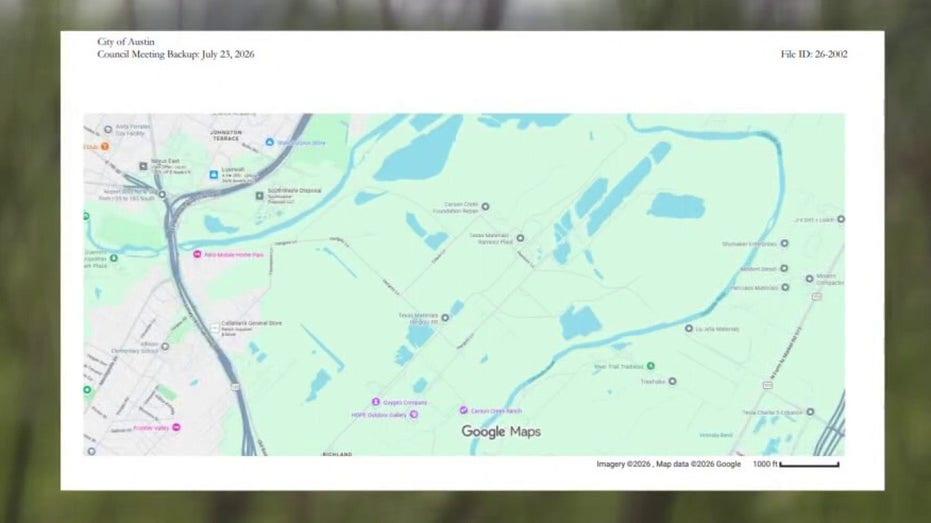
Spanning 2,614 acres and bordered by the Colorado River and U.S. Highway 183, Dog’s Head derives its name from its unique shape, reminiscent of a dog’s head. Previously a site for sand and gravel mining, this project aims to transform the land into a thriving community. However, the decision to move forward has raised concerns among local residents.
In an exclusive tour, Andy Pastor, managing principal of Endeavor Real Estate Group, showcased the site to media representatives. A significant portion of the area is currently undergoing reclamation, restoring the environment after years of mining activities. Plans for the development include preserving the riverbank and establishing 6.5 miles of hiking and biking trails. Additionally, Bailey Hole will be transformed into a recreational space, providing public access to the river, a feature that has long been unavailable.
The development is set to include residential units, commercial spaces, and office facilities. As part of the construction process, concrete is being recycled for use as a road base, while rebar will be repurposed as building materials. Despite these plans, many community members have expressed apprehension regarding potential environmental impacts, displacement concerns, and the perception that the project primarily serves the interests of large corporations. Notably, Amazon has been mentioned as a potential tenant, further fueling the debate.
In response to concerns about displacement, Pastor emphasized, “No one is losing their homes. We have 2,600 acres here. It’s a lot to develop, and it’s a big opportunity, but also a big responsibility to make sure it’s done right, and we take it seriously.”
When questioned about the criticism surrounding Amazon’s involvement, Pastor noted the necessity of attracting businesses to create jobs for the community. He clarified that Amazon is not seeking any incentives from local or state governments, which he believes distinguishes their approach.
Pastor also addressed concerns regarding community engagement, acknowledging that the annexation process differs from the more public PUD or zoning processes. He assured that Endeavor is actively engaging with local stakeholders to inform them about the project.
However, opposition persists. PODER, an environmental justice organization, is part of a coalition voicing serious reservations about the development. Susana Almanza, the director of PODER, expressed skepticism towards the developers’ claims, citing a 45-year contract that allegedly exempts them from standard regulations imposed on commercial and residential developers.
Almanza highlighted the need for improved outreach, especially considering the area’s 89 percent Latino population. She argued that genuine community engagement has been lacking, leaving many residents unaware of the impending changes. PODER is currently reviewing the regulating plans and contemplating legal action regarding the approved TIRZ.
Looking ahead, the regulating plan will need approval from the Planning Commission and City Council, with financial plans for the TIRZ scheduled for discussion next year. In an effort to enhance transparency, Endeavor has developed a website offering additional information and a platform for community questions.