








Exploring Arlington, Texas: A Journey Through Historic Cemeteries and Landmarks
Arlington, Texas, situated between Dallas and Fort Worth, is more than just a vibrant community known for its entertainment and sporting events. It is a city steeped in history, embodying stories from its past through a range of historic cemeteries and landmarks. This southern gem serves as a testament to the intertwining of history and modern living, providing visitors and residents alike a glimpse into the lives of those who shaped the area. From its founding days in the late 19th century to its significant contributions to Texas culture, Arlington offers a unique landscape rich with heritage.
Among the remnants of its history are several cemeteries and landmarks that tell the stories of the people who once walked its streets. These sites not only serve as places of remembrance but also as educational resources for those interested in the region’s past. Whether you are a local resident or a visitor seeking to understand Arlington’s roots, exploring these historic sites can provide a profound sense of connection to the city’s legacy.
Historic Cemeteries: Guardians of Arlington’s Past
1. Arlington Cemetery
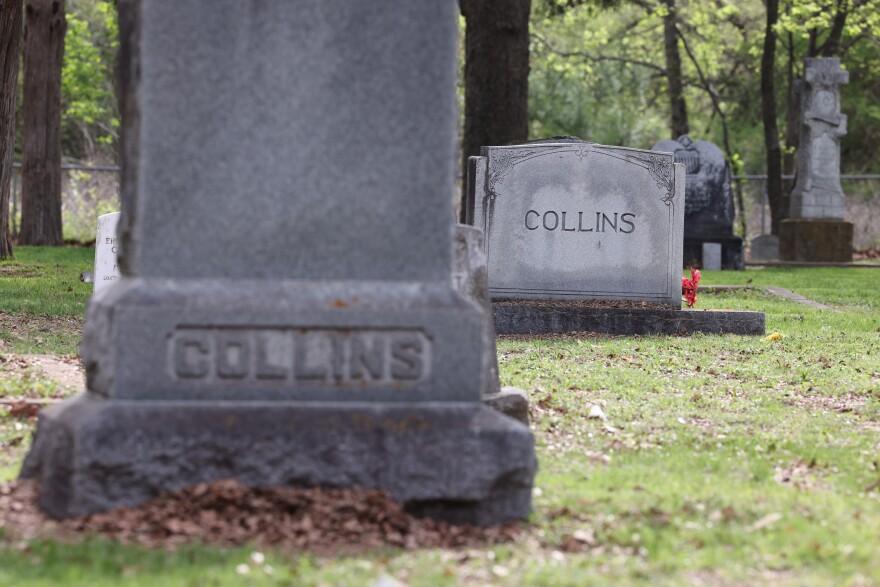
Established in 1900, Arlington Cemetery is one of the most significant resting places in the region. It is a historical site that offers a unique blend of tranquility and poignant history. The cemetery houses the graves of many notable figures, including veterans from various American wars, which adds to its status as a place of honor and remembrance. Its scenic landscapes, adorned with lush oak trees and meticulously maintained pathways, provide an inviting space for visitors to reflect on lives once lived.
The cemetery serves as the final resting place for over 10,000 individuals, many of whom contributed significantly to the community and the country as a whole. As you walk through the well-cared-for grounds, you can find markers indicating the graves of military personnel, community leaders, and early settlers. These gravestones often tell stories of dedication, sacrifice, and pioneering spirit, making Arlington Cemetery a vital piece of the city’s history.
Beyond its serene appearance, Arlington Cemetery is also notable for its architectural elements. Many elaborate headstones and mausoleums reflect the artistic styles of their respective eras, showcasing everything from Victorian embellishments to modern designs. Each section tells a different story, inviting historians and casual visitors alike to ponder the lives, dreams, and challenges faced by those who rest there.
2. Moore Memorial Cemetery
Another significant site is Moore Memorial Cemetery, founded in 1904. This cemetery stands out for its sense of community and solemnity. It serves as a reminder of the social and cultural dynamics of the early 20th century in Arlington. Not only a burial ground, but Moore Memorial Cemetery also frequently hosts community events, including memorials and educational tours that focus on local history and significant figures interred there.
Moore Memorial Cemetery is known for some of its notable residents, including civil rights activists and local politicians who fought for change during a turbulent era in American history. Their contributions continue to be celebrated within the cemetery grounds, where family members and community members often gather to commemorate their legacies. Furthermore, the cemetery serves as an important site for African American history in Arlington, highlighting the contributions and struggles of the Black community throughout the city’s development.
One of the more notable aspects of Moore Memorial Cemetery is its commitment to preserving local history. Educational initiatives not only seek to inform visitors about the graves they are viewing but also engage them in discussions about the broader implications of those lives on the community. The cemetery has transformed into a living history project, making it a significant educational resource for schools and local organizations.
Historic Landmarks: Architectural Heritage and Cultural Significance
1. Arlington’s Historic Downtown District
The Historic Downtown District of Arlington offers a delightful amalgamation of old and new, with buildings that have survived the tests of time, some dating back to the early 1900s. As a vital part of the city’s heritage, the district features beautiful architecture alongside a variety of small businesses, cafés, and galleries. Walking through these streets, you can sense the city’s history woven into the fabric of its vibrant atmosphere.
The downtown region houses several notable structures that showcase diverse architectural styles. Structures such as the Arlington Municipal Building, dating back to the 1930s, reflect the town’s evolution and its role in the broader narrative of Texas. The designs often fuse elements of Art Deco and classic Mid-century modernism, honoring the legacy of the creative minds that shaped the city down the decades.
Cultural celebrations and festivals regularly take place in the downtown area, fostering a sense of community and connection among residents. These events often highlight local art, music, and cuisine, further enriching the city’s cultural tapestry. You can see how the past resonates within modern festivities, bringing both nostalgia and renewal to the streets. Historic preservation efforts ensure that the stories of Arlington’s past continue to inspire future generations.
2. The Texas Health Resources Building
A standout architectural marvel in Arlington is the Texas Health Resources Building, which represents a modern commitment to community health while honoring the legacy of medical service in the area. This structure not only serves its primary function of providing critical health services but also acts as a historical marker for the evolution of healthcare in Arlington.
Originally home to the Arlington Sanitarium, established in the early 1900s, the building’s transformation into a modern healthcare facility signifies the city’s growth and the advancements in medical technology. It reflects a commitment to expanding healthcare access for residents, blending historical significance with contemporary needs.
Architecturally, the building combines traditional and modern design elements, creating a visual narrative that speaks to Arlington’s past while meeting the needs of the present. Guided tours often provide insights into its historical significance, highlighting key eras in its transformation. Visitors can appreciate how the medical community has shaped and been shaped by the city’s development, emphasizing the importance of healthcare in enriching community life.
The Role of Preservation in Arlington’s Heritage
1. Community Engagement in Preservation
The preservation of Arlington’s historic cemeteries and landmarks is not solely a task for local government or historians; it represents a community effort that engages residents in discovering and appreciating their city’s history. Community initiatives aimed at restoration and education play a pivotal role in highlighting the importance of protecting these sites for future generations.
Local organizations, such as the Arlington Historical Society, actively participate in preservation efforts through fundraising, educational events, and collaboration with city officials. These organizations aim to involve residents in meaningful ways, providing opportunities to engage with their heritage firsthand. Community-led events often feature guided tours, talks from local historians, and restoration projects that allow residents to take part in the safeguarding of Arlington’s legacy.
The passion for preserving history can also be seen in the thriving volunteer programs that engage people of all ages in maintenance and educational tasks. Such engagement fosters a deeper appreciation for local history while creating a shared sense of responsibility among residents to uphold their city’s narrative. As individuals learn about their city’s past, they develop a stronger connection to their community, motivating them to ensure its legacy continues.
2. Challenges and Opportunities for Preservation
Despite the deep-rooted commitment to preserving Arlington’s history, challenges still persist. Urbanization, development pressures, and changing demographics can pose threats to historic sites. Increased property values often lead to speculation, which can result in the neglect or destruction of culturally significant buildings and sites. Addressing these challenges requires innovative solutions that balance the need for modernization with the urgency to preserve the city’s historic character.
In response to these challenges, the city has implemented policies aimed at protecting its heritage. The establishment of local historic districts serves as a strategy to safeguard areas that possess distinctive architectural and cultural significance. Such initiatives encourage homeowners and business owners to maintain the integrity of their properties, ensuring that future alterations remain consistent with the historical character of Arlington.
Furthermore, technology has opened new avenues for preservation, allowing for virtual tours and digital archives that engage a broader audience. By utilizing online platforms, local historians can share valuable insights and information about Arlington’s past, effectively reaching residents and enthusiasts who may not be able to visit the sites physically. These advancements not only promote a culture of appreciation but also attract tourism, further stressing the importance of historical preservation.
Visiting Arlington’s Historic Sites: An Immersive Experience
1. Planning Your Visit
When planning a visit to Arlington’s historic cemeteries and landmarks, it is essential to consider the best times to explore these fascinating sites. Many cemeteries offer free access and can be visited year-round, particularly in the cooler months of fall and spring, when walking tours can be enjoyed comfortably. Local organizations often hold special events and tours during heritage months, providing richer insights and guided experiences that enhance understanding of Arlington’s history.
Before visiting, potential guests should check local calendars for events and activities, as this can enhance their experience significantly. Engaging in community-led tours often reveals hidden stories and lesser-known facts about the people and places that shaped Arlington. Additionally, bringing along a camera or journal may help visitors document their insights as they traverse the city’s historic narratives.
2. Leaving with a Deeper Appreciation
Exploration of Arlington’s historical cemeteries and landmarks offers not just a connection to the past but an appreciation for the vibrant community that defines the city today. As visitors learn about the individuals who shaped Arlington’s legacy, they also witness the evolution of cultural and social dynamics within the community.
Through the stories encapsulated in its historic sites, Arlington serves as a reminder of the importance of remembering our roots and cherishing the individuals who contributed to the collective heritage. The combination of beautiful landscapes, architectural wonders, and rich histories creates a compelling backdrop for anyone interested in delving deeper into the essence of Arlington.
Engaging with Arlington’s historic cemeteries and landmarks provides a unique opportunity to reflect on both individual and collective stories, ultimately enriching our understanding of this vibrant Texan city. Moreover, as preservation efforts continue, the hope is that future generations will also have the opportunity to connect with and honor the city’s rich history.