





Exploring the Vibrant Art Installations and Public Murals of Austin, Texas
Austin, Texas, often referred to as the “Live Music Capital of the World,” is equally renowned for its lively and eclectic art scene. As the city has seen rapid growth in recent years, its commitment to public art seems to have intensified, providing residents and visitors alike with a canvas of creativity that reflects the community’s rich history and innovative spirit. From striking murals to interactive art installations, Austin’s urban landscape tells a story unlike any other, showcasing the talent of local artists while simultaneously inviting engagement from the public.
The city’s art installations and public murals are not mere decorations; they are essential components of Austin’s cultural identity, breathing life into urban spaces and encouraging dialogue among its inhabitants. Whether it’s a massive mural depicting social issues or a thoughtful installation that comments on environmental sustainability, these works foster a sense of belonging and challenge viewers to reflect on both personal and collective narratives.
The Essence of Austin’s Public Art Movement
Public art has become more than a trend in Austin; it is a deeply rooted expression of community values and aspirations. The city’s Public Art Program exemplifies this philosophy, integrating visual art into public spaces to enrich the urban environment. Established in 1985, the program has funded an extensive range of projects, enabling artists to transform ordinary locations into extraordinary experiences.
One of the fundamental objectives of Austin’s public art movement is community engagement. Many projects are initiated through public consultations, ensuring that the voices of local citizens play a vital role in shaping the art that reflects their environment. This participatory approach fosters a greater appreciation for the work, as community members see their ideas and concerns translated into artistic expressions.
Moreover, the variety of medium—from murals to sculptures and digital installations—serves to spark conversations about pressing issues. For instance, the “Greetings from Austin” mural located in the heart of the city became an iconic landmark and a visual representation of the city’s cultural diversity. Through such projects, public art not only beautifies Austin’s surroundings but also acts as a barometer for prevailing social sentiments.
Highlighting Iconic Murals in Austin
Austin boasts a plethora of famous murals, each telling its own story. They stand as landmarks, often drawing visitors in with their vibrant colors and powerful messages. Among the most popular murals is the “I Love You So Much” piece located on the side of Jo’s Coffee in South Congress. This simple yet profound statement of affection has become a must-visit spot for tourists and locals alike who want to snap the perfect Instagram photo.
Another standout is the “You’re My Butter Half” mural, which features a charming illustration of a piece of bread and a pat of butter. This playful artwork has become synonymous with Austin’s quirky, lighthearted spirit. Its charm resonates with many, reflecting not only the city’s fun-loving atmosphere but also a sense of connection—a feeling of being home.
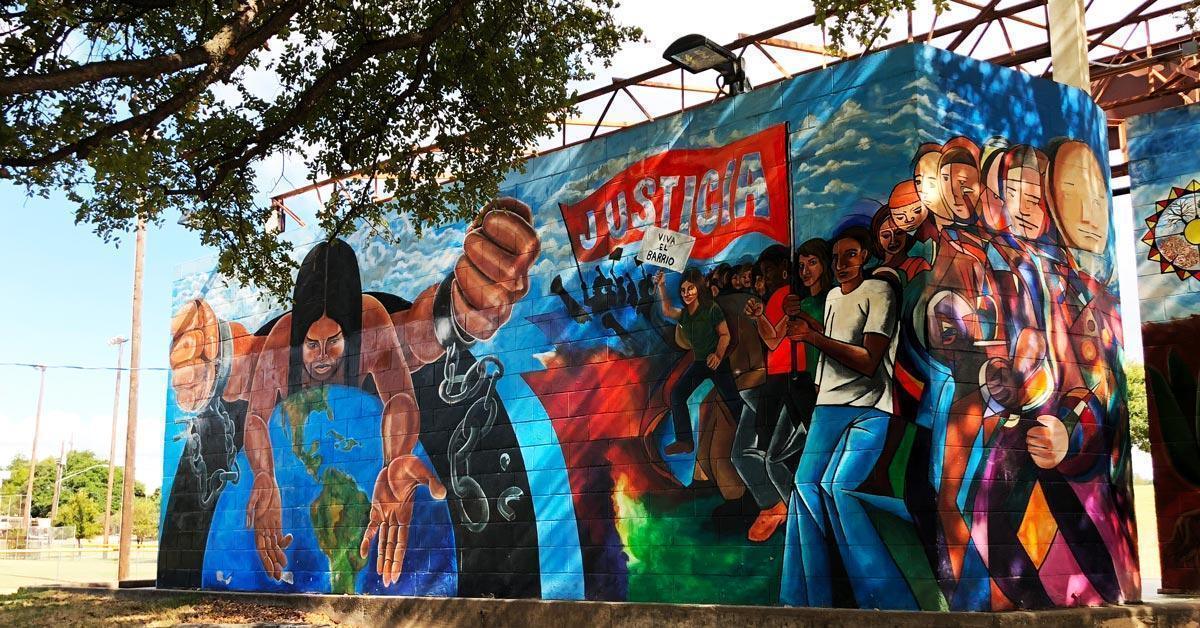
Additionally, the “Revolutionary Mural” by local artist Kelsey Montague encourages social change and community activism. Covering the wall of a downtown building, its vibrant colors and bold imagery incite dialogue around issues such as environmental justice and equality. Murals like these provide artists a platform to engage with societal issues while also adding depth to the city’s artistic landscape.
Engaging Art Installations Across the City
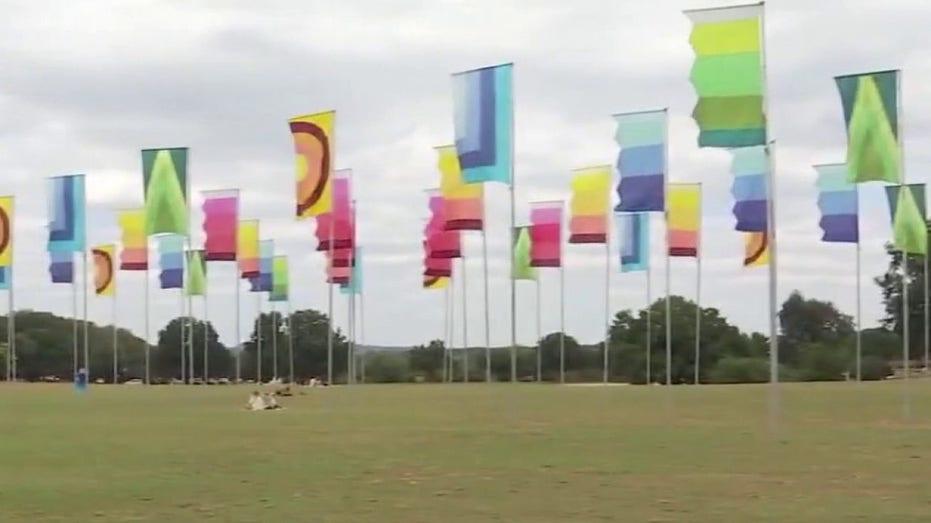
Art installations in Austin often embrace interactivity, inviting viewers to engage with the works on a personal level. Notably, the “The Moody Center” project aims to enhance public access to the arts through a series of installations designed to interact with natural elements and the surrounding environment. Positioned within a bustling park, these installations remove the traditional barriers between art and the audience, creating a shared space for reflection and inspiration.
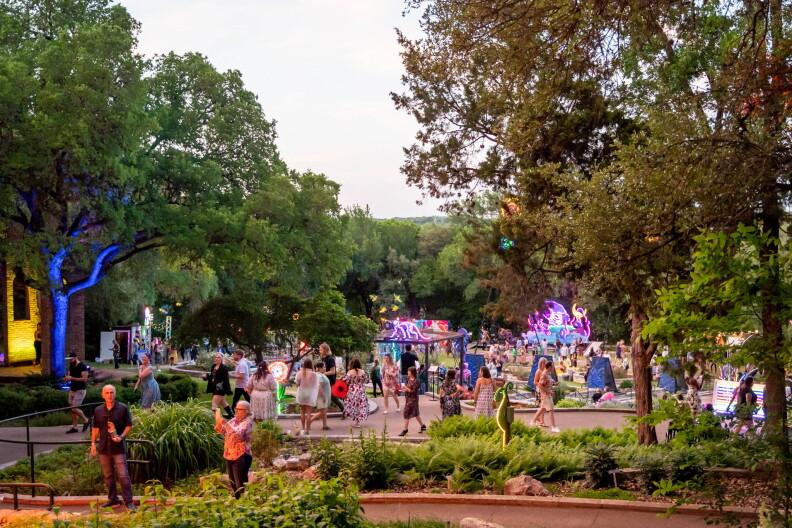
Additionally, the “Art in Public Places” program delivers dynamic sculptures and installations to various neighborhoods, often transforming mundane corners of the city into intriguing spots of wonder. For example, the “Luminations” installation at the Austin Zoo is a stunning showcase of lights and art that attracts families during the holiday season. This project not only creates a magical experience but also strengthens community ties as families come together to appreciate the artistry.
Even the city’s public transportation system has art integrated into its design. The Capital Metro trains feature decals and artwork that reflect Austin’s culture and spirit. These installations add personality to transit spaces, making travel an artistic journey. Such integration demonstrates that art can coexist harmoniously within all aspects of urban life, enhancing everyday experiences.
The Role of Local Artists in Shaping the Scene
Central to Austin’s thriving art scene are the talented local artists whose creativity fuels this cultural movement. Many artists draw inspiration from Austin’s unique environment, merging personal narratives with larger societal themes. Local initiatives, such as “Murals for the People,” empower artists to express their creativity in public spaces while addressing significant issues like racial justice and homelessness.
Among those actively contributing to the scene is artist Dani Cazares, known for her captivating portraits that celebrate individual identity and experience. Through her work, Cazares encourages conversations about representation and visibility in public spaces. Initiatives like hers underline the importance of giving voice to underrepresented communities, ensuring that public art resonates with a diverse audience.
Local artists are also increasingly collaborating with businesses and organizations to create murals and installations that reflect their values. This symbiotic relationship not only supports local artistry but also serves to enhance the aesthetic appeal of commercial spaces, ultimately creating a vibrant tapestry that celebrates community and artistic innovation.
Future of Public Art in Austin
The future of public art in Austin looks incredibly promising as the city continues to grow and evolve. Recent discussions among city planners, artists, and community members emphasize sustainability and inclusivity as guiding principles for future projects. A focus on integrating eco-friendly materials and techniques into new installations signifies a collective commitment to protecting the environment, aligning art with positive environmental impact.
Moreover, the advent of technology introduces exciting possibilities for interactive art that could redefine public engagement. Innovative projects incorporating augmented reality (AR) or virtual reality (VR) are on the horizon, allowing audiences to engage with art in ways unimaginable just a few years ago. Such advancements have the potential to create immersive experiences that encourage deeper connections between art, artist, and viewer.
As Austin continues to welcome more residents and tourists, the demand for public art is likely to grow, creating opportunities for emerging artists to showcase their talent alongside established figures. Local governments and philanthropic organizations are increasingly investing in public art initiatives, recognizing that such endeavors are vital for cultivating a vibrant city atmosphere. With these efforts, Austin will undoubtedly continue to stand out as a beacon of creativity, celebrating the power of art to inspire and unite communities.
Experiencing Austin’s Art: A Visitor’s Guide
For those looking to immerse themselves in Austin’s art scene, a few key areas are essential for an authentic experience. The South Congress Avenue area, known for its eclectic mix of shops, bars, and art, is home to some of the city’s most popular murals. Taking a leisurely stroll along this famous street provides ample opportunities for exploration and photography, making it one of the best places to capture Austin’s artistic spirit.
East Austin has emerged as a hotspot for public art, often hosting events that celebrate its cultural diversity. The neighborhood is filled with murals that tell stories of local pride and social movements, making it a wonderful place for both art lovers and social advocates. Participating in community events or art walks in this area not only enriches the experience but also provides insight into the narratives behind the works.
Additionally, visitors should not miss out on the Austin Art Walk, which takes place monthly, allowing people to engage with local artists and gallery owners. The walk features a selection of local galleries and art spaces, each showcasing the unique talents and styles of Austin’s burgeoning artist community. Understanding the context of each piece adds layers of appreciation and connection to the city’s vibrant culture.
Engaging with Austin’s Art Installations and Murals
The installations and murals of Austin offer a profound glimpse into the city’s creative ethos. They serve as conversations between the artist, the local community, and the environment. As visitors experience these works, they become part of a larger narrative that captures not just art but the soul of Austin.
Whether you are a long-standing resident or a first-time visitor, the art of Austin invites you to reflect, smile, and engage—integrating the essence of creativity into everyday life. With a vibrant public art movement and a community dedicated to fostering artistic expression, Austin stands as a testament to the dynamic power of creativity in shaping a city’s identity. Through its installations and murals, the city continues to build a bridge between the past, present, and future, reminding us all that art can engage, inspire, and connect.