









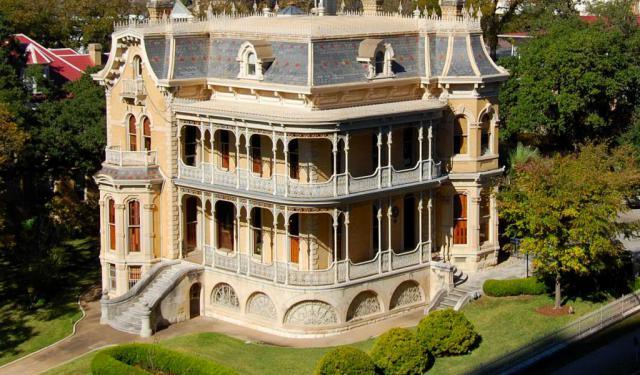
Discovering Austin’s Historic Homes and Architectural Treasures
Austin, Texas, is a vibrant city known for its eclectic culture, live music scene, and innovative technology. However, what many may not realize is that Austin also boasts a rich tapestry of historic homes and architectural wonders that tell the story of the city’s evolution over the years. From the Victorian-era mansions of the late 19th century to the sleek, modern structures of today, Austin’s architecture reflects its dynamic history and diverse influences. Taking a tour of these remarkable sites is not just an enjoyable activity; it is also a journey through time that connects residents and visitors with the city’s roots.
The historic neighborhoods within Austin offer an exceptional array of tours that educate and inspire. With trained guides sharing stories of past residents and the architectural significance of the structures, these tours allow participants to immerse themselves in the rich heritage of the Austin area. For those passionate about history, architecture, or simply looking to add a unique experience to their time in Texas, exploring these historic homes offers a compelling window into the past.
The Allure of Historic Neighborhoods
Austin is home to several neighborhoods where history resonates through beautifully preserved architecture. Among them, the Old West Austin district stands out, featuring stunning homes and tree-lined streets. This neighborhood, with its proximity to downtown, offers a harmonious blend of convenience and charm. Many of the properties here reflect the eclectic architectural styles that were prevalent during the early 1900s, including Gothic Revival and Queen Anne styles.
Not far from Old West Austin lies Travis Heights, a neighborhood celebrated for its historic bungalows and a mix of architectural influences. The houses here, constructed in the 1920s and 1930s, showcase a variety of designs from Mediterranean Revival to Craftsman-style. Walking through the winding streets of Travis Heights, one can’t help but feel transported to a simpler time, with the historic homes narrating tales of post-war prosperity and suburban attraction.
Other neighborhoods worth exploring include Clarksville, one of Austin’s oldest African American neighborhoods, and East Austin, which has experienced a cultural resurgence and revitalization. Each area carries its own stories that contribute to the rich mosaic of Austin’s identity, making them essential stops on any architectural tour.
Architectural Styles in Austin
The architectural styles visible in Austin’s historic neighborhoods are as diverse as the city itself. Among the most notable styles are:
- Victorian: Characterized by intricate ornamentation, asymmetry, and vibrant colors, Victorian homes in Austin often feature ornate details that reflect the craftsmanship of the era.
- Craftsman: Featuring low-pitched gable roofs and extensive use of wood, this style emphasizes handcrafted artistry and connection to nature, perfectly suited for the lush landscape of Austin.
- Mission Revival: Inspired by Spanish missions, these homes typically include stucco exteriors, red-tiled roofs, and arched doorways, contributing to the romantic image of the Southwest.
- Mid-Century Modern: A style that emerged in the post-World War II era, these homes are characterized by clean lines, large glass windows, and open spaces, reflecting a move towards functionality and simplicity.
Each of these architectural styles has a unique history and represents a different chapter in Austin’s development. As architecture enthusiasts delve into the specifics of these designs, they uncover the influences, materials, and societal shifts that led to the creation of these enduring structures.
Guided Tours: A Deeper Dive into History
To truly appreciate the architectural heritage of Austin, participating in guided tours can provide invaluable insights. Several organizations and local historians offer guided tours that take participants through the heart of the city’s historic districts. For instance, the Austin History Center frequently organizes walking tours aimed at showcasing both the history and architecture of Austin’s older neighborhoods.
These tours often include the following features:
- Storytelling: Guides share intriguing stories of the lives lived within these historic homes, painting a vivid picture of Austin’s past and its notable figures.
- Architectural Education: Attendees learn about the unique features of each style, understanding how design choices reflect the cultural and social contexts of their time.
- Interactive Elements: Many tours integrate hands-on elements, such as sketching or photography opportunities, allowing participants to actively engage with their surroundings.
Scheduled group tours are generally available throughout the year, but private tours can also be arranged for those seeking a more personalized experience. This flexibility allows for an accommodating option for both locals wanting to learn more about their surroundings and visitors looking for a unique way to explore the city’s architecture.
Special Events and Exhibitions
In addition to regular tours, Austin’s passion for history and architecture is highlighted through special events that celebrate its architectural heritage. The Austin Architectural Tour, held annually, allows the public to explore various historic buildings that are often not open to the public. This event has become a highly anticipated feature within the community, drawing architecture aficionados, history buffs, and curious residents alike.
During these events, participants not only have the rare opportunity to view the interiors of these historic homes but also often meet the homeowners who have invested time and resources into their preservation. These interactions foster a deeper appreciation for the effort involved in maintaining and restoring these architectural gems.
Other events, such as Heritage Day at the Texas State Capitol, promote public awareness and appreciation of Texas’ architectural history through exhibits, talks, and demonstrations. These gatherings provide an excellent platform for learning about the tools and techniques used in historic preservation.
Preservation Efforts: Safeguarding Austin’s Heritage
Pursuing historic preservation is vital to maintaining Austin’s architectural identity. The city has various initiatives in place aimed at protecting historic homes from demolition or unsympathetic alterations. Non-profit organizations, such as the Heritage Society of Austin and Preservation Austin, are deeply involved in advocacy and education, providing resources for homeowners and stakeholders passionate about preservation.
One significant aspect of these efforts is the designation of historic districts, which helps to safeguard neighborhoods from development that could compromise their character. In designated districts, homeowners are encouraged to adhere to guidelines that ensure renovations remain in harmony with the existing architecture. This approach supports a balance between modern living and the preservation of historical context, allowing communities to thrive while respecting their pasts.
Community workshops and outreach programs also play a crucial role in raising awareness about historic preservation. Through these initiatives, residents can learn about the importance of maintaining the integrity of their homes and the broader community, as well as the resources available to assist them. The collaboration between residents, city officials, and preservationists highlights a community committed to honoring its historical roots while embracing contemporary life.
Future of Historic Preservation in Austin
The future of historic preservation in Austin promises to be vibrant and dynamic as the city continues to experience rapid growth and change. Balancing development pressures with the desire to maintain historical character will certainly be a challenge; however, there is a strong community commitment to uphold Austin’s architectural heritage. Continued advocacy for preservation education and community involvement will be essential in this regard.
Technology plays an important role as well. Digital tools and platforms are increasingly utilized to document and promote Austin’s historic architecture. Online databases, virtual tours, and social media campaigns serve to engage broader audiences, making the history and stories of Austin’s homes accessible to all. As younger generations become more involved, their innovative approaches may bring about new ideas for preserving the city’s architectural legacy.
The integration of historic preservation into urban planning initiatives also serves to ensure that historic homes can coexist with modern infrastructure. As the city develops its transit options and public spaces, planners and architects are recognizing the importance of retaining Austin’s unique identity as a part of its growth. With continued thoughtful consideration of historical context, the future looks bright for Austin’s historic homes and architecture.
Embarking on Your Austin Architectural Adventure
An exploration of Austin’s historic homes and architecture is an enriching experience for residents and visitors alike. Whether you are an architecture enthusiast, a history buff, or simply curious about what the city has to offer, engaging in a tour can provide a deeper understanding of the urban landscape and its stories. The beauty of Austin’s historic neighborhoods is that they invite individuals to connect not only with the past but also with the living history of their community today.
As one traverses the historic districts, each home tells a story, a testament to the lives lived and the enduring spirit of Austin. By engaging in tours, participating in special events, or supporting preservation efforts, everyone can play an important role in ensuring that Austin’s architectural treasures are lovingly maintained for generations to come. For those willing to embark on this adventure, the rewards are plentiful, offering a newfound appreciation for the beauty and complexity of Austin’s rich historical fabric.