









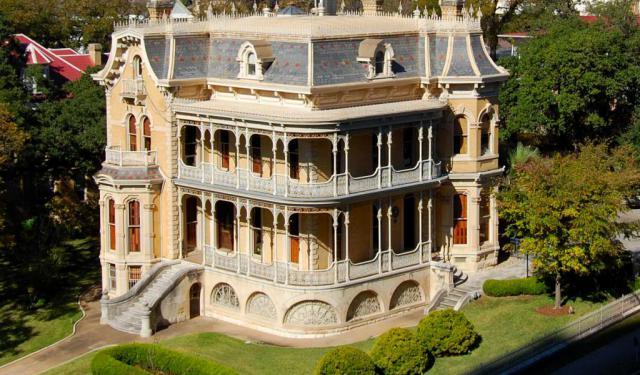
Austin, Texas Neighborhood Walking Tours for History Lovers
Steeped in rich culture and whispered tales, Austin, Texas is a veritable treasure trove for history enthusiasts. The capital city, known for its vibrant music scene and eclectic culinary offerings, also boasts a plethora of historical landmarks and neighborhoods that beckon visitors to explore on foot. For history lovers, walking tours provide an intimate way to delve into the backstories of the streets, buildings, and parks that define the essence of this city.
From the colonial days of early settlements to the bustling urban landscape of today, walking through Austin often feels like taking a journey back in time. Each neighborhood offers distinct narratives, architecture, and artifacts that weave a broader tapestry of the city’s evolution. For anyone keen on understanding Austin’s history, these guided walks are not just informative but also engaging experiences that bring the past to life.
Exploring the Heart of Texas: The Old West Meets Modern Vibes
The Historic District: A Glimpse into the Past
Starting in the heart of downtown, the Historic District offers a unique lens through which to view Austin’s evolution. This area is characterized by its classic 19th-century buildings and sites that embody the city’s frontier spirit. Notable landmarks include the Texas State Capitol, a stunning piece of architecture that stands taller than the U.S. Capitol in Washington, D.C. Visitors to the Capitol can take guided tours that share compelling tales of the state’s history, from its fight for independence from Mexico to its growth into a cultural hub.
Another significant site is the Driskill Hotel, which opened in 1886 and embodies a gothic revival style infused with Texas charm. The hotel, attributed to cattle baron Jesse Driskill, features lavish interiors that have welcomed numerous historic figures, including U.S. presidents. Today, it continues to be a key player in local tourism, with tours available that highlight both its architectural marvels and captivating ghost stories that linger in its hallways.
As you wander through the Historic District, don’t miss the Texas Governor’s Mansion. Although it has undergone renovations after being damaged by fire, this majestic residence represents over 150 years of Texan governance and hospitality. Guides provide insights into the lives of Texas Governors and their families, showcasing not only the mansion’s architecture but also the state’s political history.
South Congress: A Mix of Culture and History
Just south of downtown, South Congress Avenue (SoCo) offers a vibrant mix of history and modern culture. Known for its lively atmosphere, the neighborhood is dotted with quirky shops, gourmet food trucks, and eclectic art installations. History enthusiasts can appreciate the area by exploring its architectural landscape, which features everything from charming bungalows to modern designs that tell the story of Austin’s growth and transformation.
The Continental Club, a historic music venue, has been a staple of Austin’s live music scene since 1955. Stepping inside feels like stepping back in time, as you immerse yourself in the sounds of legendary musicians who have graced the stage. The club’s rich history is interwoven with that of Austin’s identity as the “Live Music Capital of the World,” providing a perfect backdrop for both music lovers and history buffs alike.
Another spot worth visiting is Big Top Candy Shop, an eye-catching candy store on South Congress that represents the neighborhood’s blend of old and new. Its vintage decor and wide selection of traditional and modern confections make it a delightful stop for families and nostalgia seekers. Nearby, the Hope Outdoor Gallery, an outdoor graffiti park, showcases Austin’s contemporary art scene while echoing the city’s vibrant street culture.
East Austin: From Historic Roots to a Cultural Mosaic
A Journey Through Time and Change
Once known as a residential area for the African American community during segregation, East Austin has undergone significant transformation over the past few decades. Walking tours in this neighborhood reveal a wealth of history that spans from the early 20th century to the present day. Sites like the George Washington Carver Museum and Cultural Center celebrate the contributions of the African American community in Austin, fostering a greater understanding of the civil rights movement and its impact on the city.
The museum showcases historical artifacts and art that reflect the resilience and creativity of the local community. Guided tours through the museum not only highlight important historical figures but also offer a glimpse into the cultural shifts that have shaped East Austin over the years. Visitors are encouraged to engage with the exhibits and participate in discussions that foster a deeper appreciation of the area’s legacy.
As you continue your walk through East Austin, stop by the Texas Farmers’ Market at Mueller, which draws on the area’s agricultural roots. This vibrant market is a testament to community-led initiatives, featuring local produce, artisan foods, and crafts, while fostering connections among residents and visitors. Enjoying fresh, locally-sourced goods serves as a delicious reminder of the community’s history and the people who sustain it.
The Influence of Arts and Culture
East Austin is also home to the Street Art scene, where vibrant murals and installations narrate stories of the neighborhood’s identity, struggles, and achievements. Tours of East Austin often include stops at these incredible artworks, encouraging visitors to appreciate the dynamic expressions of local artists who lend their voices to the community’s history. Street art not only beautifies the urban landscape but also fosters dialogue about pressing social issues and cultural pride.
One notable piece is the “I love you so much” mural, located on the side of Jo’s Coffee. This simple phrase encapsulates the spirit of Austin, inviting everyone to embrace love and positivity. As you snap your photos with the mural in the background, reflect on how art serves as a powerful bridge between the past and present, creating a lasting legacy of shared experiences.
West Austin: Nature and Cultural History Intertwined
A Natural Haven Rich in History
The neighborhoods of West Austin offer a breathtaking view of the natural landscape while rich in historical significance. A walking tour here is incomplete without a visit to Barton Springs Pool, a natural spring-fed pool located within Zilker Park. Barton Springs has been a community gathering spot since the 1800s, attracting swimmers and sunbathers who come to enjoy its refreshing waters and lush surroundings.
As you stroll through Zilker Park, engage with the myriad historical markers that tell the stories of the families and individuals who once inhabited the area. The park itself represents a significant shift towards public spaces in the 20th century, emphasizing the importance of community and recreation in Austin’s urban development. The scenic views of downtown Austin from the park also remind visitors of the city’s modern skyline juxtaposed against its historical roots.
Those interested in gardening and conservation should stop at the Zilker Botanical Garden. This garden showcases plants that reflect the local ecosystem and includes a Japanese garden, rose garden, and numerous walking trails. Each section serves not only as a beautiful retreat but as a living tribute to the conservation efforts put forth by local organizations to preserve the natural heritage of Austin for future generations.
The Neighborhoods of Old West Austin
While the natural beauty of West Austin is apparent, the neighborhoods themselves are historically significant, as they were home to some of Austin’s earliest settlers. Homes dating back to the late 1800s line the streets, many of which have been beautifully restored. Tours can provide insight into the architectural styles that characterize Austin’s residential history, showcasing the evolution of design from Victorian to mid-century modern.
The Old West Austin Historic District contains some of these stunning homes, representing a blend of architectural styles and influences that tell stories of prosperity, community, and resilience. Walking through these neighborhoods on guided tours allows visitors to step back in time and envision the lives of the early residents who shaped the community.
Creating Unforgettable Memories
Participating in a walking tour of Austin’s neighborhoods offers not only an opportunity to learn about the past but also a chance to create unforgettable memories. Each turn of the street reveals hidden gems that speak to the city’s character and charm. Armed with a knowledgeable guide, participants are invited to ask questions, share experiences, and engage with their surroundings in ways that static displays and video presentations simply cannot replicate.
Walking tours cater to audiences of all ages and interests, ensuring that everyone can find a suitable experience. From dedicated historical tours that focus on specific eras or events to more casual neighborhood walks infused with storytelling and local lore, there is something for every history lover. For those new to the city or long-time residents, these explorations offer a chance to connect with Austin’s vibrant tapestry of stories, from the stories of the original settlers to tales of modern-day resilience and innovation.
As Austin continues to evolve, the importance of preserving its history becomes more apparent. Walking tours not only celebrate its rich past but also highlight ongoing efforts to maintain and showcase the city’s unique identity. History lovers are encouraged to lace up their walking shoes, grab their cameras, and embrace the walkable streets of Austin—where every corner turned reveals another fragment of a city that pulses with life and stories waiting to be discovered.