








Austin is set to modify its police procedures regarding interactions with Immigration and Customs Enforcement (ICE), as announced by Mayor Kirk Watson on Friday. This change comes in anticipation of the upcoming administration of Governor-elect Gina Hinojosa, who will succeed Greg Abbott in January.
Watson has instructed Austin Police Chief Lisa Davis to prepare a new policy that aligns with the city’s values and remains relevant once the new governor takes office. “I’m asking Chief Davis to update her general orders so that they can be effective when the new Governor comes into office,” Watson stated on the Austin City Council message board.
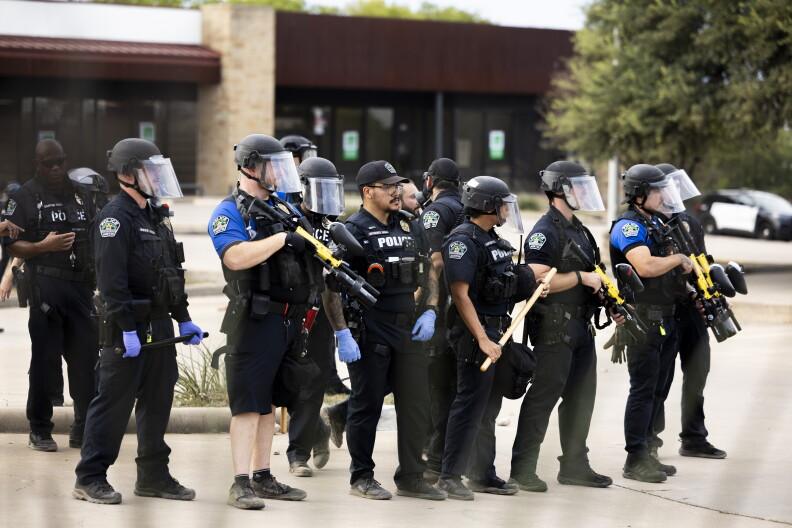
The city’s approach to cooperating with ICE has been in a state of flux throughout the year, reflecting a broader national trend of intensified immigration enforcement in urban areas. The Austin Police Department (APD) has revised its cooperation policy with ICE twice over the past year. The initial change in March aimed to limit ICE’s involvement in local law enforcement, prompted by public outcry following the arrest and deportation of a Honduran woman and her five-year-old daughter after an encounter with APD.
Following a threat from Abbott to withhold state funding, APD adjusted its policies on ICE cooperation again. However, with Abbott’s unexpected defeat to Hinojosa on Tuesday, APD is poised for yet another policy shift.
Houston’s Mayor John Whitmire announced a similar change on the same day. Watson expressed confidence that the upcoming Democratic leadership in the state would allow for greater collaboration on various issues, including civil immigration enforcement, without the previous external pressures.
This year, Austin’s strategy has involved refining the internal regulations governing officers’ interactions with ICE agents. Traditionally, APD has informed ICE when an undocumented individual has a warrant related to a violent crime. The recent policy adjustments have granted officers more discretion regarding when to engage with ICE.
The current guidelines stipulate that if an individual possesses an ICE administrative warrant—classified as a noncriminal charge—officers should notify ICE “when operationally feasible.” A state law known as Senate Bill 4 prohibits “sanctuary cities” from hindering law enforcement’s interactions with ICE. Watson acknowledged that this law remains in effect and that the city will adhere to it for the time being, but he expressed hope that the new policy would help alleviate the prevailing “policy of fear” stemming from federal and state actions.
“Many Austinites live in real fear—fear created not by local government but by other levels of government,” Watson remarked. “Austin has worked to mitigate that fear, and wherever we can, eliminate it.”