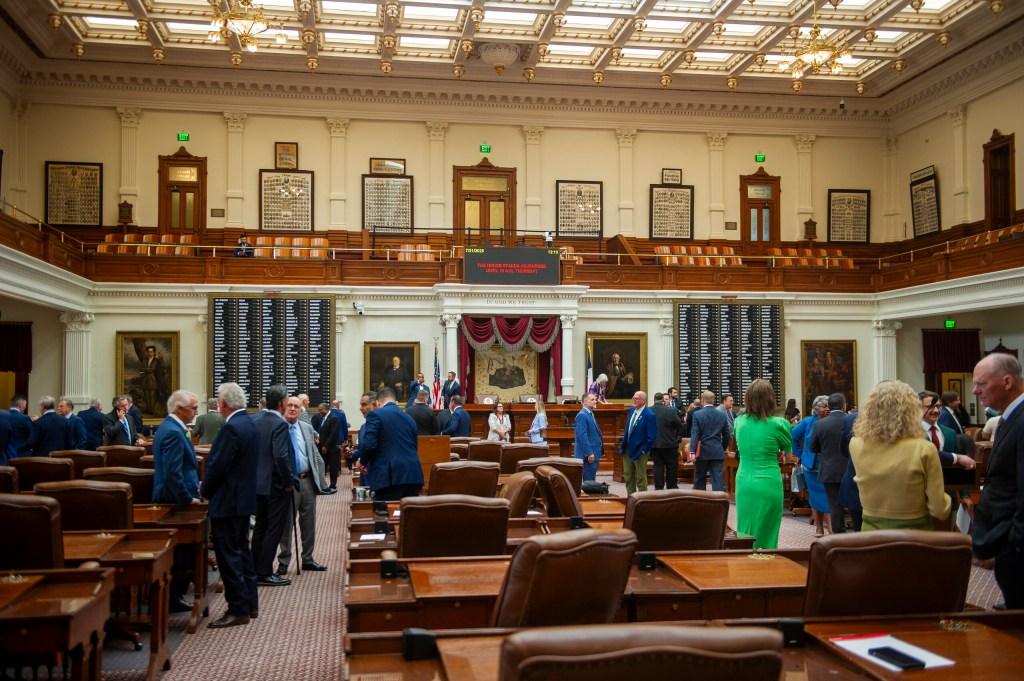










The recent election in Texas has concluded, marking the beginning of a new phase in the accountability of state officials. With significant changes in leadership, local governments are poised to pursue a more collaborative relationship with the state.
For years, Republican lawmakers have consistently targeted Texas cities to diminish the influence of urban areas that lean Democratic and to stifle progressive initiatives. Notably, when Denton residents voted to prohibit fracking within city limits, the state legislature quickly made such local bans illegal. Similarly, during the COVID-19 pandemic, when local leaders attempted to implement mask mandates, Governor Greg Abbott swiftly overruled their decisions. Additionally, despite Austin voters’ approval of a property tax increase to finance a light-rail system, Republican officials have sought to obstruct its development.
As the election results come in, local governments are now confronting a transformed political landscape. Austin Mayor Kirk Watson expressed optimism, stating, “I don’t think we need to be on the defense the way we have in the past.” With Democrats securing victories in statewide offices and gaining an unexpected majority in the Texas House of Representatives, city and county officials are ready to shift their focus from defense to collaboration.
For decades, localities have often felt abandoned as they managed the repercussions of Texas’s growth independently, facing state opposition when attempting to address local issues. The new Democratic control over major urban areas and key state government positions offers a potential partnership aimed at tackling significant challenges such as housing, transportation, and economic development.
Fort Worth Mayor Mattie Parker, a Republican, emphasized the need for collaboration, stating, “The number one ask right now is partnership.” Local leaders across the state are compiling requests for the upcoming legislative session in January, highlighting the need for increased funding for transportation, healthcare, and law enforcement.
Travis County Judge Andy Brown reflected on the potential for progress, noting, “So many of the things that we are trying to do are going to be so much easier to have a partner that is concerned about helping middle-class Texans.” The recent Democratic gains at the local level, including flipping the Tarrant County Commissioners Court, strengthen this collaborative potential.
However, the legislative landscape still contains lingering Republican measures that restrict local governments. Repealing these laws could take considerable time and face substantial political hurdles, especially with Republicans maintaining a majority in the Texas Senate.
State Senator Paul Bettencourt, a Houston Republican, warned of potential stalemates, suggesting that while there could be agreements, challenges persist. Notably, Democrats have recently indicated a willingness to limit city powers to address the pressing housing affordability crisis, signaling a possible shift in their traditional stance on local control.
Efforts to ease housing regulations, like Senate Bill 840, have already been enacted, aiming to increase the availability of new homes by simplifying local rules. Some cities, particularly in the Dallas-Fort Worth area, have resisted these measures, wanting to maintain their regulatory authority.
Nicole Nosek, founder of Texans for Reasonable Solutions, asserted that the push for housing affordability remains unchanged regardless of which party is in power. “It is the same push: more housing, more affordability,” she stated, emphasizing the necessity for young people and essential workers to attain homeownership.
Throughout the years, Republicans have implemented numerous laws to limit local authority over various issues, including property tax revenue and law enforcement budgets. The controversial “Death Star” bill exemplified this trend, prohibiting local governments from enacting regulations that exceed state laws, which has led to confusion and a chilling effect on local governance.
With the recent electoral outcomes, city leaders are likely to advocate for the repeal of restrictive legislation, though the extent of these changes remains uncertain. The enforcement of the existing laws continues to rely on private citizens filing lawsuits against local governments, a situation that may shift with a newly elected cohort of Democratic judges.
Moreover, the limitations on local property tax revenue are expected to persist, as Democrats may avoid actions that could be perceived as tax increases. However, there is potential for the state to offer financial relief to cities and counties through Medicaid expansion, which could alleviate the burden of healthcare costs.
In Fort Worth, the school district contracts with local police for security, and Mayor Parker noted the state could assist by covering more of these expenses. While other blue states provide funding to support city budgets, it remains unclear if Texas lawmakers will consider similar measures.
With the potential for a more supportive state government, local leaders in Austin are hopeful about the future of projects like the voter-approved Project Connect transit expansion. Collaboration on large initiatives, previously stymied by state opposition, may now be feasible as local officials explore new possibilities under a Democratic administration.
As local leaders begin to envision a more cooperative relationship with the state, they acknowledge the importance of building this partnership, which has been neglected for years. “There’s just been missed opportunities for the partnership,” remarked Monty Wynn, head of the Texas Municipal League, highlighting the need for constructive dialogue moving forward.
Addressing the housing affordability crisis remains a pressing concern for Texas voters, and the new Democratic leadership may face challenges in navigating local regulations. The successful passage of legislation to facilitate housing development underscores the need for state involvement to effectively tackle the issue.
Housing advocates emphasize that without state initiatives, resolving the housing shortage will be a prolonged process. The collaborative effort between state lawmakers and local governments will be crucial in creating viable solutions for Texas’s housing challenges.