






El Paso, Texas Landmarks That Tell the City’s History
El Paso, Texas, is a city rich in history, culture, and diversity, with landmarks that reflect its unique heritage. Nestled across the border from Juárez, Mexico, El Paso has become a melting pot of American and Mexican influences. Each landmark in the city tells a story, tracing the evolution of its people from indigenous cultures to modern-day society. Visitors and residents alike can explore these sites to understand the remarkable tapestry that makes up El Paso’s identity.
The historic sites of El Paso are more than just attractions; they are reminders of the struggles and triumphs that have shaped the city. From ancient archaeological sites to the bustling downtown area, these landmarks resonate with tales of resilience and community spirit. This article highlights several notable landmarks that not only contribute to the city’s aesthetic appeal but also serve as vital touchpoints to its historical narrative.
The Mission Trail: A Journey Through Time
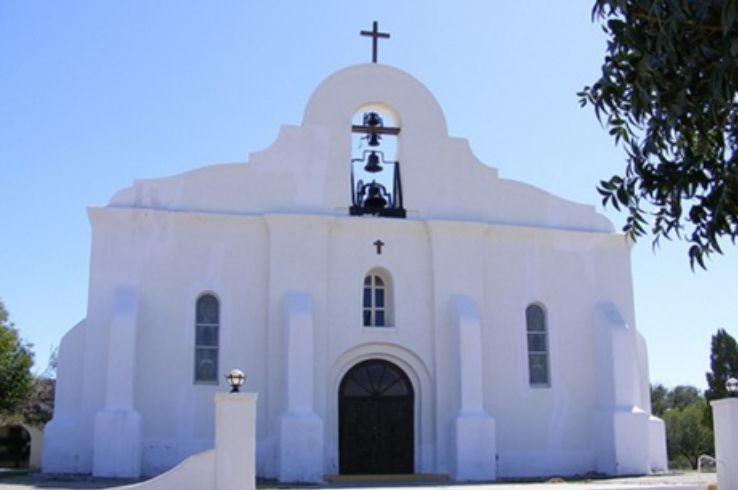
The Mission Trail consists of a series of profound historic missions, including the Mission San Elceario, Mission Socorro, and Mission Guadalupe. These missions, established in the late 17th and early 18th centuries, represent the efforts of Spanish missionaries to convert local indigenous populations to Christianity. As you travel along the Mission Trail, you embark on a journey that connects you to the spiritual and cultural underpinnings of the region.
Mission San Elceario, founded in 1789, is the oldest of the three and stands as a testament to the enduring legacy of the Spanish colonial period. Its stunning architecture, characterized by thick adobe walls and a captivating altar, offers a glimpse into the past. Visitors can explore the mission’s museum, which showcases artifacts and exhibits that narrate the history of the area, helping them appreciate the blend of spiritual and cultural narratives that continue to influence the community today.
Mission Socorro, established in 1680, is particularly significant because it was one of the first missions built in Texas and has become a focal point for the region’s cultural ceremonial activities. This mission manages to retain its original charm despite the modern developments around it. The annual celebrations held here, including the Fiesta de San Elceario, help to strengthen community bonds and keep the traditions alive, showcasing the importance of these landmarks in contemporary society.
Mission Guadalupe, constructed in 1851, represents a period of renewal and rebirth, as it was built after the devastating Apache raids in the region. Today, it serves not only as a place of worship but also as an anchor for the surrounding community, representing the endurance of faith through adversity. The architecture reflects both Spanish colonial styles and more contemporary influences, making it a vivid point on El Paso’s cultural map. Each mission speaks not only to the religious devotion of the past but also to the ongoing narrative of the multicultural community that envelops El Paso.
El Paso Museum of History: Preserving the Past
Located in the heart of downtown El Paso, the El Paso Museum of History serves as a gateway to the region’s past. This institution plays a crucial role in preserving and presenting the historical artifacts and stories that characterize the city’s development. From pre-Columbian times through the 20th century, the museum offers a comprehensive overview of El Paso’s diverse cultural heritage.
The museum houses a wealth of exhibitions that delve into various aspects of local history, including the significance of the Rio Grande in shaping economic and social dynamics. Special exhibits often feature the stories of notable figures such as John S. Chisum, a key player in the cattle ranching industry, and the infamous “Wild West” icon Pancho Villa. These exhibits not only provide factual information but also engage visitors in the rich narratives that inform their understanding of contemporary El Paso.
One of the museum’s most impactful exhibits is dedicated to the city’s history as a border town. This section explores the complex relationship between the United States and Mexico and how it has undergone profound changes over the years. The museum presents artifacts, photographs, and narratives that highlight the ongoing effects of immigration, trade, and cultural exchange. The interactive installations help visitors grasp the nuances of these historical processes and their relevance in today’s context.
Moreover, the El Paso Museum of History actively engages the community through educational programs, workshops, and cultural events. By inviting local schools and families to participate in these activities, the museum fosters a spirit of collaboration and learning. This commitment to education not only serves to educate the public but also ensures the preservation of El Paso’s rich history for future generations.
The Plaza Theatre: Heart of the Arts
One of the most iconic landmarks in El Paso, the Plaza Theatre, has been a cornerstone of the city’s cultural life since its opening in 1930. Nestled in the heart of downtown, this Art Deco gem was designed by renowned architect Henry Trost and has become a symbol of the city’s artistic heritage. Originally built as a movie palace, the theatre has transformed over the decades, adapting to the changing landscape of entertainment while maintaining its historic charm.
The Plaza Theatre has undergone several renovations to restore its architectural splendor, making it a popular venue for concerts, Broadway shows, and community events. This adaptive reuse of historic buildings not only preserves the cultural fabric of the city but also promotes the importance of the arts in El Paso. Many local artists and performers have graced its stage, contributing to a vibrant arts scene that underscores the city’s identity as a cultural hub.
In recent years, the Plaza Theatre has hosted events such as the El Paso Live! Series, which features performances from local musicians and artists. By providing a platform for emerging talent, the theatre fosters a sense of community and encourages creative expression among residents. This commitment to the arts reinforces El Paso’s reputation as a city that values and cultivates its cultural resources.
Notably, the Plaza Theatre is not just a venue but an experience in itself. The interior design, with its ornate details and stunning murals, transports visitors back in time, creating a unique atmosphere that enhances any performance. As a landmark, the Plaza Theatre serves a dual purpose: it is a place of entertainment and a living reminder of the city’s commitment to preserving its history while embracing modern artistic expressions.
Fort Bliss: A Legacy of Service
Serving as one of the oldest military installation in the United States, Fort Bliss is not only a key part of El Paso’s history but also an important base for U.S. military operations. Established in 1849, the fort has evolved considerably, reflecting changes in military strategy and technology over the years. Today, it is home to thousands of service members and civilian employees, playing a critical role in the region’s economy and culture.
The fort holds numerous historical sites within its grounds, such as the Old Fort Bliss Chapel, which dates back to the late 1800s. This chapel, though small in size, has significant historical importance and has seen countless weddings and memorial services over the years. Fort Bliss provides tours and educational programs that detail its history, including exhibits on the Mexican-American War, World War I, and World War II, emphasizing the impact of military presence in the region.
Another important aspect of Fort Bliss is the Fort Bliss Museum, which showcases historical artifacts, military vehicles, and personal accounts from service members. Visitors can learn about the experiences of soldiers stationed at the fort and their contributions to both local and national history. Programs focused on Native American heritage and the fort’s interaction with local indigenous tribes highlight the continued significance of the military in shaping El Paso’s community.
Fort Bliss also plays a vital role in fostering community ties through its outreach programs. Collaborations with local schools and community organizations help bridge the gap between the military and civilian populations. Events such as the annual El Paso’s Armed Forces Day Celebration foster camaraderie and understanding, rewarding both military personnel and community members for their contributions. This collaboration underscores how the fort symbolizes a legacy of service that continues to shape the region.
Chamizal National Memorial: Bridging Cultures
The Chamizal National Memorial, established in 1974, commemorates the resolution of a long-standing border dispute between the United States and Mexico. This landmark not only symbolizes the end of a contentious chapter in history but also represents the ongoing relationship between the two nations. The memorial’s centerpiece is its visitor center, which hosts educational exhibits about the history of the border and the significance of bipartisan collaboration in resolving differences.
The Chamizal area’s history is deeply intertwined with the shifting course of the Rio Grande, which prompted disputes over territory and land ownership. These disputes led to the establishment of the memorial, providing a unique opportunity to reflect on how countries can resolve conflicts peacefully. Events, such as cultural celebrations and film screenings, emphasize the shared history and collaborative spirit that characterize the U.S.-Mexico relationship.
In addition to its historical significance, the Chamizal National Memorial offers recreational opportunities. With walking trails, picnic areas, and gardens, it invites community members to enjoy the outdoors while contemplating the complexities of their shared history. The harmonious coexistence of cultural and natural elements illustrates how different narratives can converge to create a unique sense of place.
Educational programming at the memorial focuses on promoting cross-cultural understanding and respect, highlighting the importance of dialogue in bridging divides. Through lectures, workshops, and performances, the Chamizal National Memorial inspires visitors to appreciate the diverse cultures that influence El Paso’s identity today.
Final Thoughts
Exploring the landmarks of El Paso is like diving deep into a rich tapestry woven with diverse cultural threads. From the ancient missions that speak to the city’s spiritual heritage to the vibrant Plaza Theatre that breathes life into the local arts scene, each site tells a story of resilience and transformation. Together, these landmarks offer invaluable insights into the history of El Paso, revealing its role as a pivotal point of cultural exchange. Visitors and locals alike are encouraged to immerse themselves in the narratives that make up El Paso’s unique history, fostering a sense of pride and continuity that will resonate through generations.
The continued preservation and celebration of these landmarks are essential for maintaining the cultural and historical integrity of El Paso. As the city evolves, understanding and appreciating its past will be crucial in shaping its future, providing a platform for ongoing dialogue and collaboration among its diverse communities. El Paso stands as a testament to the power of history to unify and inspire, a lesson that remains relevant in today’s world.