







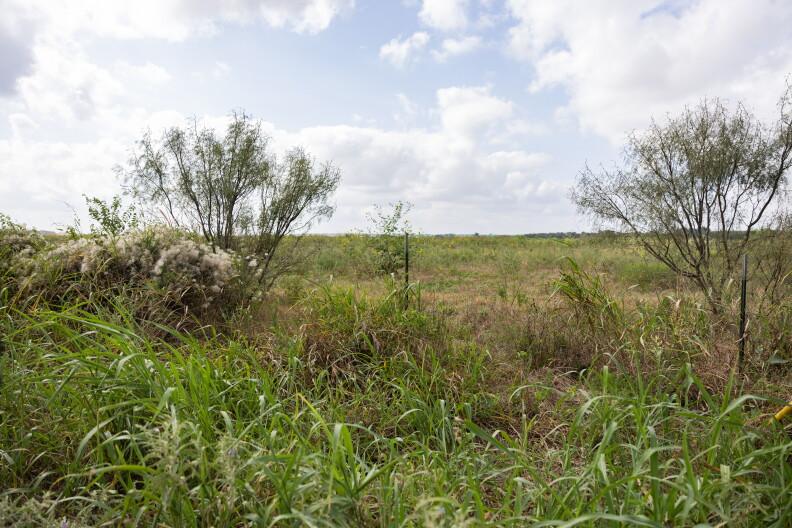
A significant legal challenge has emerged against a proposed multi-purpose development on a 2,600-acre site at the intersection of Hergotz Lane and Thompson Lane in East Austin. This lawsuit seeks to invalidate the development and financing agreements that were recently approved by the Austin City Council, which has identified Amazon as the primary tenant for the complex.
Environmental organizations, including the Save Our Springs Alliance and People Organized in Defense of Earth and Her Resources (PODER), have joined forces with local residents to contest the plans for this massive development. The aim of this legal action is to revert the decisions made regarding the project, which has raised concerns among community members.
Bobby Levinski, a senior staff attorney with the Save Our Springs Alliance, emphasized the importance of community engagement in the development process. “This was a really rushed approval process,” he remarked, criticizing the lack of standard procedures typically followed in such cases, such as consultations with boards and commissions, public feedback, and notifications. “With this lawsuit, it would essentially reset the playing field.”
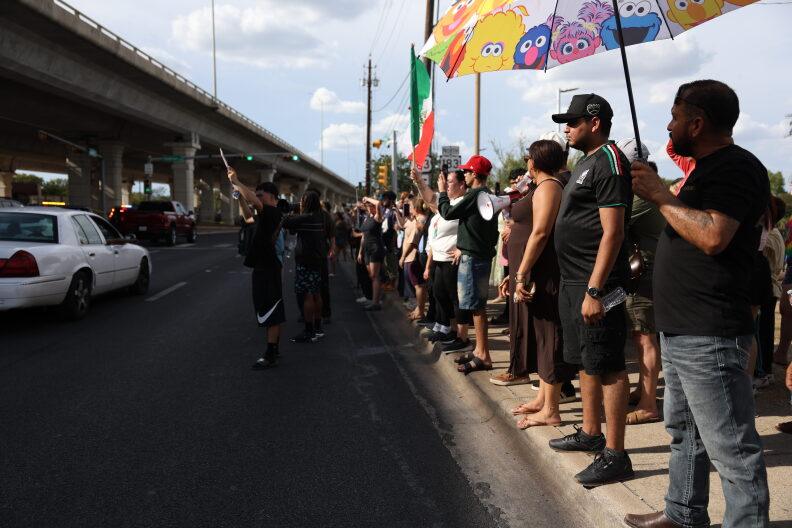
The Austin City Council’s approval of the 45-year agreement in May drew immediate backlash from some residents, who highlighted the absence of public input prior to the decision. Lee Edwards, president of the South East Colorado River Neighborhood Association, noted that he and his neighbors were only informed about the project two days before the council’s vote, receiving the news through personal connections rather than official notifications.
Edwards clarified that the neighborhood does not inherently oppose the development but is concerned about its implications. “Everybody has their own version of what doing it well would be,” he stated, expressing the desire for community members to have a say in the project’s execution. Specific worries include the environmental safeguards for the adjacent Colorado River and the anticipated increase in traffic within the area.
Furthermore, residents are apprehensive that the broad nature of the development agreement may empower the developer to pursue a range of projects, potentially including data centers or heavy industrial facilities. “We think there is a reasonable balance to be struck between the developers and the constraints by the city,” Edwards added.
City officials have defended the expedited deal, citing the need to secure Amazon as a significant tenant, with plans for the company’s robotics division to be established at the site. The agreement also encompasses provisions for additional housing, retail spaces, and green areas.
However, Levinski contended that there are no guarantees regarding the future development and stressed that local residents should have the opportunity to influence the outcome. The city of Austin has yet to respond to inquiries regarding the lawsuit and its implications.