






This year marks the 50th anniversary of Black History Month. Had I been reviewing movies back in February 1976, I would have likely expressed concern over the limited opportunities available to Black filmmakers. Now, their contributions are celebrated and fill numerous volumes. Although this brief article can hardly cover the vastness of their achievements, it is essential to recognize their impact.
Despite facing systemic racism, Black filmmakers have been part of the cinematic landscape since the early days of the medium. Oscar Micheaux, born in 1884 to a freed slave in Illinois, initially aspired to be a novelist but turned to filmmaking in the 1920s and ’30s. By financing his own projects outside the mainstream industry, he created films tailored for Black audiences. Works such as Within Our Gates and Body and Soul, featuring the powerful Paul Robeson, may largely hold historical significance today, marked by their awkward performances and focus on light-skinned individuals “passing” as white. Nevertheless, Micheaux’s legacy serves as a critical starting point.
Moving forward in the timeline of Black cinema, Spencer Williams Jr. offered a more nuanced perspective through his films, which were celebrated in a retrospective at the now-defunct Lone Star Film Festival. His comedies often highlighted the musical prowess of Black performers while showcasing his own skill in portraying clever conmen. His characters, though flawed, possessed a dignity often absent from Hollywood’s stereotypical roles, which relegated Black actors to demeaning stage names like Stepin Fetchit and Sleep ’n’ Eat.
In the wake of World War II and the civil rights movement, Black filmmakers began to reach for greater artistic heights. Gordon Parks, a photographer and composer who had previously produced government-funded documentaries about urban life, adapted his own coming-of-age novel, The Learning Tree, into a film, later contributing to the blaxploitation genre with Shaft. Charles Burnett’s acclaimed films, Killer of Sheep and To Sleep with Anger, faced challenges in distribution but eventually garnered deserved attention, while Julie Dash’s Daughters of the Dust offers a unique exploration of Gullah culture and traditions.
Notable among these pioneers is Spike Lee, a filmmaker who has navigated both Hollywood and independent cinema to carve a distinct niche in American film. Lee has become a prominent voice on race relations in the U.S. His extensive body of work, including documentaries like 4 Little Girls, Bad 25, and the concert film American Utopia, firmly establishes him as a significant figure in filmmaking.
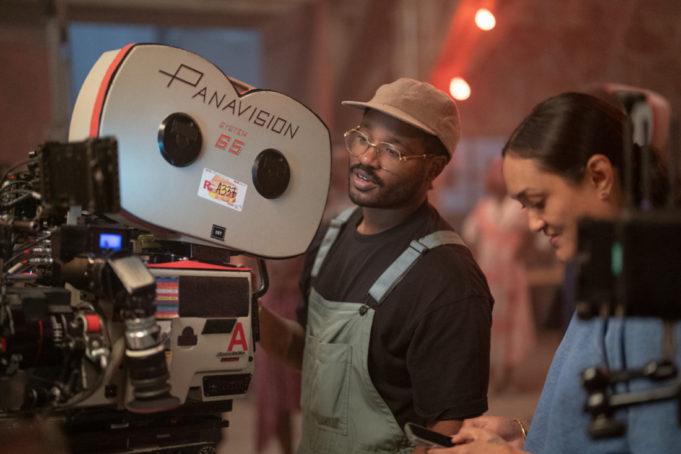
During my time as a film critic, I have been privileged to witness the rise of contemporary talents such as Ava DuVernay, Jordan Peele, Barry Jenkins, and Ryan Coogler. These filmmakers not only honor the legacy of their predecessors but also create compelling Black narratives that resonate with diverse audiences in theaters. Nia DaCosta deserves mention among this group as well.
Black filmmaking is not confined to the United States. In the last century, filmmakers like Burkina Faso’s Idrissa Ouédraogo and Senegal’s Ousmane Sembène and Djibril Diop Mambéty gained international recognition despite limited resources. Their efforts have paved the way for a rich array of films from various African nations, including Kenya’s Rafiki, Ivory Coast’s Night of the Kings, Lesotho’s This Is Not a Burial, It’s a Resurrection, Nigeria’s Mami Wata, and Zambia’s On Becoming a Guinea Fowl.
Additionally, a Black British filmmaker directed the Oscar-winning film 12 Years a Slave. The French film industry, which had stagnated in the early 2000s, has seen revitalization largely due to the contributions of Black directors such as Ladj Ly, Maïmouna Doucouré, Alice Diop, and Mati Diop, the niece of Mambéty. Jonas Carpignano stands out in Italian cinema due to his mixed-race background. As Black filmmakers emerge from various regions, their work continues to evolve, reflecting both local contexts and global influences, capturing the attention of the film community worldwide.