









When a dog or cat suddenly falls ill or suffers an injury, it can be a distressing experience for pet owners, often necessitating urgent action. Access to urgent and emergency veterinary services is crucial, as it ensures that your pet receives timely care during critical moments. Understanding when to seek these services and how to reach them can significantly impact your pet’s health during a crisis.
With pet ownership on the rise, being prepared for emergencies has become increasingly important. If your dog or cat faces a health issue that exceeds routine care, knowing where to locate emergency veterinary services in Prosper, Texas is essential for prompt intervention. Being aware of the symptoms that indicate an emergency and understanding how to access urgent veterinary support can empower you to act swiftly for your pet’s welfare.
Identifying the Need for Urgent Veterinary Care
Timely action can be lifesaving when your pet exhibits sudden symptoms such as difficulty breathing, collapsing, uncontrolled bleeding, or persistent vomiting. Pet owners should also be vigilant for signs like seizures, suspected poisoning, extreme lethargy, or severe pain. These indicators often suggest an emergency where immediate professional care is required.
Both dogs and cats experiencing significant changes, such as an inability to urinate, unresponsiveness, or visible injuries, need urgent evaluation. Veterinary clinics are equipped to handle emergencies involving toxin ingestion, traumatic injuries, and severe allergic reactions, all of which can worsen without prompt treatment. Early recognition of these issues increases the chances of a positive outcome for your pet.
Steps to Take Before Arriving at an Emergency Clinic
If you suspect an emergency, it’s vital to keep your pet calm and still to prevent further injury. Using a leash, carrier, or towel can help safely restrain them, ensuring the safety of both the animal and the individuals assisting. Avoid attempting home remedies or giving over-the-counter medications, as inappropriate treatment can exacerbate the situation.
As you prepare for transport, gather any medical records, note any recent exposure to food, plants, or toxins, and contact the clinic ahead of time to relay important information. Facilities like UrgentVet suggest notifying their staff about the emergency before your arrival, enabling them to prepare for your pet’s needs. Providing timely information and being prepared can facilitate the fastest possible care.
Proactive Measures for Pet Emergencies
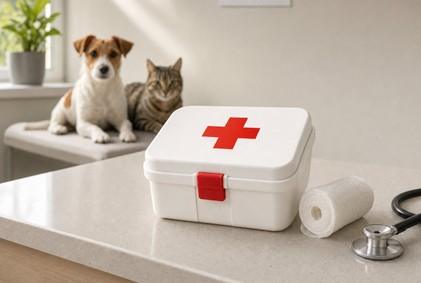
Being prepared for a pet emergency starts well before one occurs. Create a pet first-aid kit that includes bandages, gauze, and contact information for local emergency clinics, ensuring these items are easily accessible. Keeping vaccination and health records current and knowing your nearest after-hours veterinary provider can help you act swiftly when necessary.
Taking steps to pet-proof your home by securely storing hazardous substances and supervising outdoor activities can help prevent many emergencies from arising. Monitoring your dog or cat’s typical behavior and staying informed about common local hazards will further enhance your ability to respond quickly and effectively in the event of a crisis.