







AUSTIN, Texas – As a winter storm looms over Texas, emergency services brace for an increase in calls related to house fires and carbon monoxide poisoning. With the forecast predicting plunging temperatures this weekend, residents must prioritize safety when heating their homes.
According to the National Fire Protection Association, heating equipment accounts for over 38,000 residential fires each year in the United States, with incidents peaking during the winter months. Nearly half of all home heating fires occur between December and February, making space heaters a significant concern.
Guidelines for Safe Space Heater Use
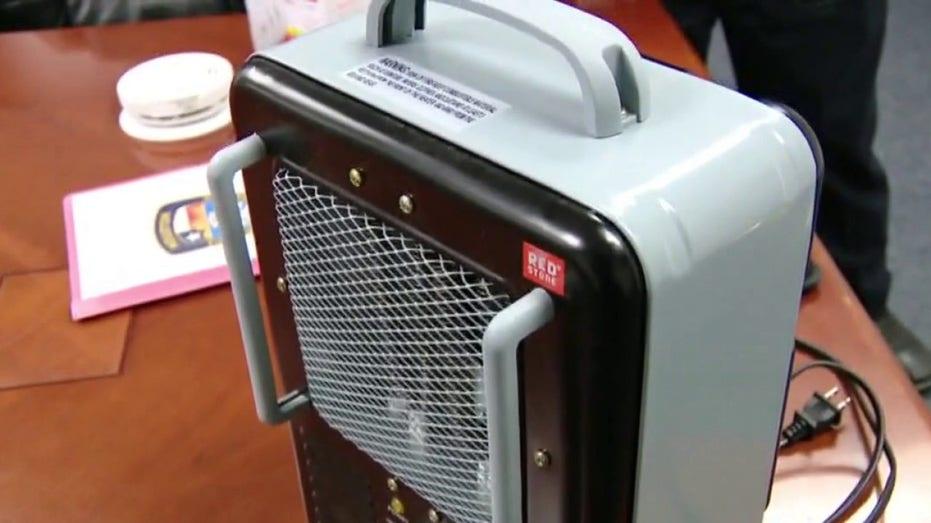
Captain Shannon Koesterer from Austin-Travis County Emergency Medical Services emphasizes the importance of following safety protocols when using space heaters. “Space heaters should be kept away from any combustible materials,” he advises. “They must never be left unattended, and it is crucial to have a model equipped with an automatic shut-off feature to prevent fires if tipped over.”
When utilizing space heaters, it is essential to provide ample space around the unit, turn it off before going to sleep, and avoid using extension cords for power supply. Ensuring that gas generators are positioned away from the home and that no windows are open to allow carbon monoxide to seep inside is also critical, according to Koesterer.
Understanding Carbon Monoxide Poisoning
Carbon monoxide is often described as a silent killer; it is a colorless, odorless, and tasteless gas produced by the incomplete combustion of fuels. Symptoms of poisoning can manifest without warning, starting with headaches, nausea, and vomiting, and potentially escalating to confusion, seizures, coma, and even death.
In the event of a power outage, residents are strongly advised against using outdoor grills, propane heaters, ovens, or gas stoves for heating their homes. These methods can lead to dangerous carbon monoxide buildup.
Health Risks During Winter Storms
As Texans prepare for the impending cold snap, health experts stress that winter preparedness extends beyond home insulation. Another common source of carbon monoxide poisoning occurs when individuals warm their vehicles in a closed garage. “The garage is effectively an extension of the house,” Koesterer warns. “The toxic gas can fill the car and circulate into the living spaces of the home.”
If the power goes out, Koesterer suggests covering windows with blankets to minimize drafts and dressing in layers to retain body heat.