








Historic Battles That Shaped Texas
The vast and rugged landscape of Texas has served as the backdrop for numerous battles throughout its history, with each conflict playing a crucial role in defining the state’s identity and trajectory. The stirring tales of these confrontations not only reflect the struggle for land and sovereignty but also highlight the spirit and resilience of those who fought. From the skirmishes during the Texas Revolution to the conflicts of the American Civil War, battles like the Alamo and San Jacinto remain etched in the fabric of Texas folklore.
As a state that once boasted its own republic and that was key to significant military conflicts, Texas offers a historical narrative rich in bravery, sacrifice, and the quest for freedom. Understanding these pivotal battles deepens our appreciation for Texas as a cultural and historical territory that embodies the essence of American spirit. Let’s delve into some of the most significant battles that have left an indelible mark on Texas history.
The Siege of the Alamo
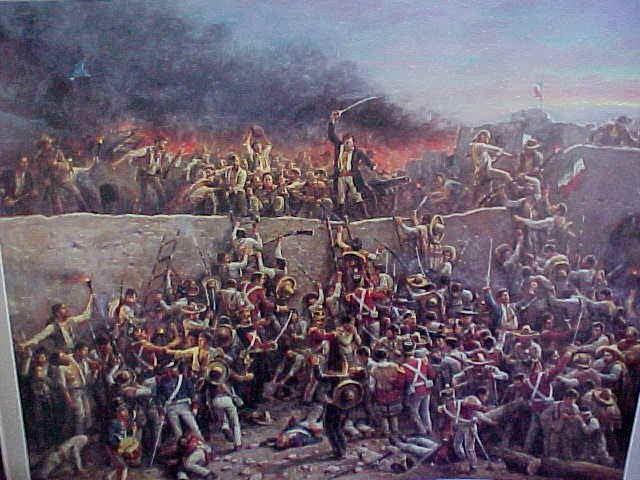
The Siege of the Alamo, fought from February 23 to March 6, 1836, is arguably the most famous battle in Texas history. Located in San Antonio, the Alamo was initially built as a Spanish mission but would become the site of a legendary stand against Mexican forces. A small group of Texian defenders—including famous figures like James Bowie, William B. Travis, and Davy Crockett—held out against General Antonio López de Santa Anna’s much larger army.
As the siege progressed, the Texian forces faced overwhelming odds. The fight became a symbol of heroism and sacrifice. Over 1800 Mexican soldiers laid siege to the Alamo, while fewer than 200 Texians determinedly defended the fort. The defenders knew they were outnumbered, yet they resolved to fight to the last man. Their cries for “Remember the Alamo!” galvanized support for the Texian cause and would inspire future victories.
The final assault on March 6 resulted in the deaths of all Texian defenders. The fall of the Alamo was a tragic chapter in Texas’ fight for independence, yet it stoked the flames of resolve across the territory. In the months that followed, the rallying cry “Remember the Alamo” became synonymous with the Texian struggle, energizing armies and leading to a pivotal showdown at San Jacinto.
The Legacy of the Alamo
The legacy of the Alamo extends far beyond its battleground. Today, it serves as an enduring symbol of resistance and the fight for liberty. Numerous movies, books, and paintings have immortalized the battle, contributing to its storied narrative within American culture. The Alamo is not only a religious site but now also a UNESCO World Heritage Site, attracting millions of visitors each year who are drawn to its historical significance.
The importance of the Siege of the Alamo is multifaceted. It represents the sacrifices made by those who fought for Texian independence while also highlighting the complex relationship between Anglo settlers and the Mexican government. The events at the Alamo have sparked discussions about cultural identity, nationalism, and the rights of immigrants, making it a point of reference in contemporary debates about these issues.
The Battle of San Jacinto
The Battle of San Jacinto, fought on April 21, 1836, marked a decisive turning point in the Texas Revolution. Less than six weeks after the fall of the Alamo, General Sam Houston led the Texian army in a surprise attack against Santa Anna’s forces, which had camped near Harrisburg. Houston’s strategic planning and understanding of the local terrain ultimately played a crucial role in securing a Texian victory.
On that fateful day, Houston’s troops launched a fierce, rapid assault that caught the Mexican army off-guard. The Texians shouted “Remember the Alamo!” as they charged, turning the sentiment of vengeance into a powerful rallying point. Within just 18 minutes, the Texian army had achieved a stunning victory, leading to the capture of Santa Anna himself. This battle not only secured Texian independence but also effectively ended the war.
The aftermath of San Jacinto was monumental. The victory allowed for the establishment of the Republic of Texas, and Santa Anna was forced to sign treaties recognizing Texas’ independence. The impact of San Jacinto rippled across the nation, demonstrating that a group of determined individuals could topple a larger, established government and inspire a movement.
The Significance of San Jacinto
The Battle of San Jacinto is a cornerstone of Texas’s historical narrative and a celebration of its spirit of independence and courage. Held annually, San Jacinto Day commemorates the battleground and the ideals of freedom for which the Texian soldiers fought. Statues, memorials, and annual reenactments commemorate this significant event, emphasizing its importance in shaping Texas’ identity.
Beyond its immediate military consequences, the battle influenced the geopolitical landscape of North America. The Republic of Texas would eventually seek annexation into the United States, igniting debates over slavery and territorial expansion that would contribute to the onset of the Civil War. The dual legacy of San Jacinto embodies both solidarity and conflict, revealing the complexities of a nation emerging from independence.
The Battles of the Civil War
The American Civil War brought a new wave of battles that would further define Texas’s role in U.S. history, especially regarding the institution of slavery and states’ rights. Despite the state being a slave-holding territory, Texas remained a beacon of exceptionalism, often seeking a separate identity from the other Southern states. Significant battles such as the Battle of Galveston and the Battle of Palmito Ranch stand out as key moments during this turbulent period.
The Battle of Galveston, fought on January 1, 1863, was significant as it aimed to reestablish control of the port city following its capture by Union forces in the previous year. Confederate forces, led by General John B. Magruder, executed an ambitious surprise attack that successfully recaptured Galveston, allowing for vital supply routes to remain open. This victory provided a needed morale boost to the Confederacy and showcased the strategic importance of Texas in the war effort.
Following the Battle of Galveston, the Battle of Palmito Ranch on May 13-14, 1865, represents—interestingly—a Confederate victory that occurred after General Robert E. Lee’s surrender at Appomattox Court House on April 9. Though it had no impact on the outcome of the war, it illustrated the fighting spirit of the Texians and their steadfast loyalty to the Confederate cause, drawing out the conflict in Texas even after the broader war had ended. This dissonance also highlighted Texas’s unique position in the conflict, marked by its geographic distance from the eastern front lines.
Consequences of Civil War Battles
The Civil War battles fought in Texas revealed deeper divides that extended beyond military engagement. Issues of loyalty, identity, and economic interests clashed among those with conflicting allegiances. The outcome of these battles further solidified Texas’s reputation as a proud and vibrant state, characterized not only by its history of rebellion but also by its complex relationship with national movements.
After the war, the ramifications of these battles extended into Reconstruction, leaving a legacy that would forge the sociopolitical landscape of Texas for generations. Integrating former Confederates back into a unified country posed challenges, and the lessons learned during these battles would influence countless future issues surrounding state versus federal rights. The scars left by the war, both physical and emotional, would take time to heal as Texians grappled with the realities of a post-war society.
The Ongoing Importance of Texas Battles
The historic battles that shaped Texas continue to resonate today, as they influence perceptions of independence, strength, and the cultural identity of the state. Sites such as the Alamo and San Jacinto remain pivotal tourist attractions that educate people on the rich historical tapestry of Texas. Museums, historical reenactments, and educational programs pave the way for new generations to engage with this heritage.
Scholars and historians delve into these events not merely as military ventures but as complex interactions of culture, social rights, and national identity. The narratives surrounding these battles allow Texans to reflect on their past while simultaneously informing their contemporary perspectives on freedom, governance, and identity. As the state continues to grow and diversify, the historical precedents set by these conflicts remain essential touchpoints for discussions on unity and division within the state.
The sense of pride rooted in Texas’s history often manifests on social and political stages, reminding Texans of their storied past and the struggles fought for their rights. As the state evolves, understanding these battles will remain critical in shaping a common narrative that honors both historical battles and the ongoing quest for equity and justice in a diverse society.