








Discovering San Antonio: A Journey Through Its Historic Landmarks
San Antonio, Texas, is a city rich in culture, history, and tradition. Known for its vibrant blend of Mexican and American influences, San Antonio offers visitors a unique glimpse into the past through its historic landmarks. From well-preserved missions to the lively River Walk, each site tells a story that contributes to the city’s identity. Embarking on a journey through these landmarks not only unveils the historical significance of the region but also highlights its enduring spirit of resilience and community.
For those eager to explore, San Antonio’s historic sites provide a captivating experience. They reflect the city’s evolution from a Spanish settlement to a modern urban center. A walk through these landmarks reveals the layers of history that have shaped the nation and underscores the city’s cultural significance. Whether you are a history aficionado, a casual explorer, or someone looking to enjoy scenic views, the historic sites of San Antonio will leave an indelible impression.
The Alamo: Symbol of Texas Independence
No visit to San Antonio is complete without a stop at the Alamo, perhaps the most iconic landmark in Texas. Originally established in the early 18th century as Mission San Antonio de Padua, the Alamo has been a pivotal site in Texas history. It gained notoriety during the 1836 battle when a small group of Texian defenders held out against a much larger Mexican army. Their bravery and sacrifice have turned the Alamo into a symbol of independence and resistance, celebrated each year on Texas Independence Day.
Visitors to the Alamo can explore a variety of exhibits housed within the mission’s historic walls. The main chapel, with its iconic facade, offers a glimpse into the early Spanish architecture that defined the region. Inside, artifacts from the Texas Revolution, including weapons, documents, and personal items of the defenders, add to the poignant narrative of the site. Engaging with the exhibits allows guests to appreciate the struggles faced by those who fought for liberty, making the Alamo not just a historical site but a place of reflection.
The grounds surrounding the Alamo also invite exploration. Visitors can stroll through the beautifully landscaped gardens, which provide a serene contrast to the tumultuous history associated with the site. Statues and memorials dedicated to those who fought at the Alamo stand as poignant reminders of their sacrifice. Guided tours are available, offering deeper insights into the historic events that unfolded within these walls. Each tour guide shares stories that keep the legacy of the Alamo alive, ensuring that newcomers and returning visitors alike leave with a greater understanding of its significance.
Events and Activities at the Alamo
The Alamo not only serves as a historical site but also plays host to various events throughout the year. From educational programs that engage students to commemorative events honoring the heroes of the Texas Revolution, the Alamo remains a focal point for community engagement. One of the most notable annual events is the reenactment of the Battle of the Alamo, which attracts history enthusiasts from all over the country. Such events contribute to the ongoing dialogue around Texas history and help keep the spirit of the Alamo alive for future generations.
On a less formal note, visitors can enjoy live music performances and cultural festivals often held on the Alamo grounds. These activities celebrate the diverse heritage of San Antonio, combining history with contemporary expressions of art and culture. By participating in these events, visitors gain a holistic view of the city—one that bridges the past with the present, showcasing San Antonio’s vibrant community spirit.
The San Antonio Missions: UNESCO World Heritage Sites
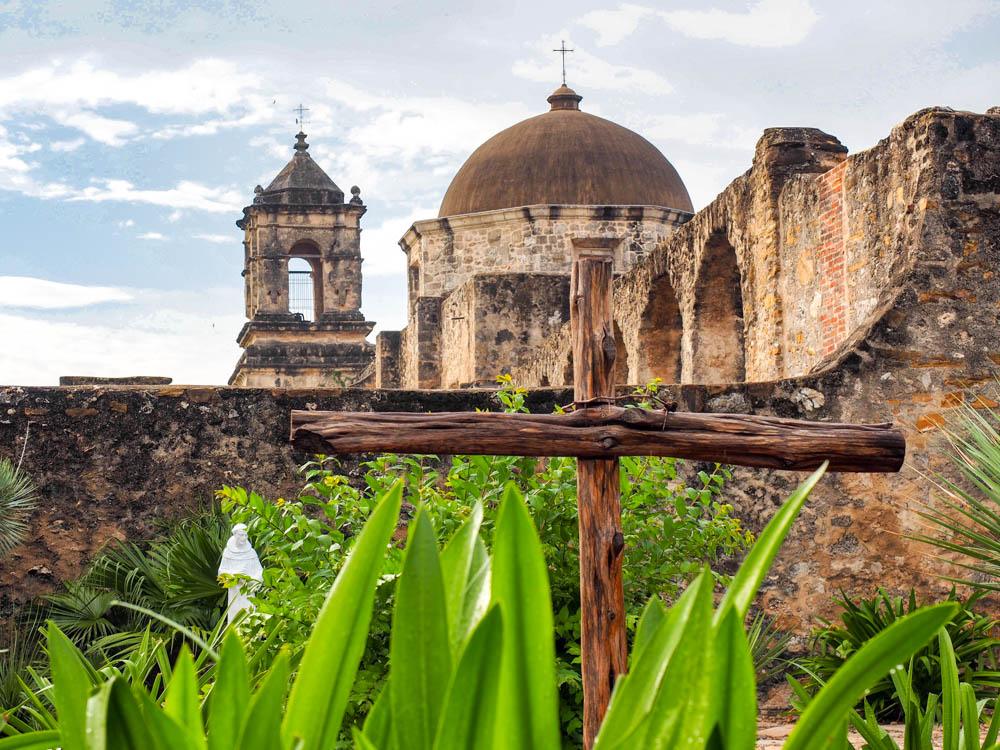
San Antonio is home to a series of missions that hold significant historical value, recognized as UNESCO World Heritage Sites. The five missions, which include Mission Concepción, Mission San José, Mission San Juan, Mission Espada, and, of course, the Alamo, were established in the 18th century by Spanish settlers. They were designed to spread Christianity among the indigenous populations and to solidify Spain’s presence in the region. Today, these missions stand as testaments to a rich cultural heritage, showcasing a unique blend of Spanish colonial architecture and indigenous influences.
Each mission features distinct architectural elements, with beautiful stone facades, robust bell towers, and intricate carvings. Walking the grounds offers an opportunity to connect with history in a palpable way. Visitors often remark on the peaceful environment surrounding the missions, as each site is set amidst lush landscapes, providing a serene backdrop for contemplation. The Missions National Historical Park includes a scenic walking and biking trail that connects all five sites, allowing visitors to immerse themselves fully in the history of these remarkable locations.
Mission San José, known as the “Queen of the Missions,” is particularly noteworthy for its stunning restoration and visitor center. The mission’s iconic rose window, an architectural marvel, is a highlight for many. Guided tours provide insights into the daily lives of the missionaries and the indigenous communities that lived there. Experiencing the missions together paints a fuller picture of Spanish colonial life and its effects on the region’s development.
Community Engagement at the Missions
The San Antonio Missions continue to play a vital role in the local community. Regular events and programs designed to highlight the heritage and history of the missions are held throughout the year. Festivals celebrating traditional Mexican culture, including food, music, and dance, bring residents and visitors together, fostering a sense of belonging. Such events allow attendees to experience the missions not only as historical sites but as vibrant community spaces.
Educational programs are also implemented at the missions to engage the younger generation and raise awareness about the importance of preserving history. Field trips for local schools offer students firsthand learning opportunities. With hands-on activities like traditional crafts, storytelling sessions, and guided explorations, children can develop a deeper appreciation for their cultural heritage. This commitment to education ensures the stories of the missions continue to be shared and celebrated in the future.
The River Walk: A Blend of Nature and Architecture
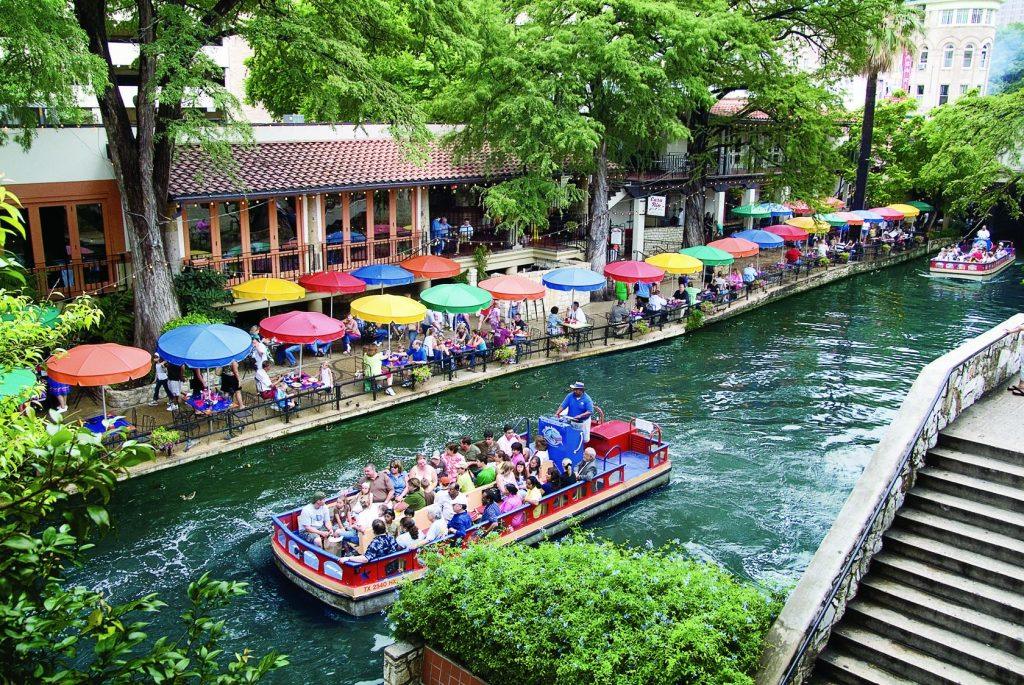
San Antonio’s River Walk is a stunning waterfront oasis that meanders through the heart of the city. Designed to complement the vibrant atmosphere of downtown San Antonio, the River Walk connects several historical landmarks, making it a popular destination for both locals and tourists. Enveloped by lush greenery and lively shops, the River Walk provides a dynamic experience that beautifully blends nature with urban life.
Originally built in the 1930s to prevent flooding, the River Walk has evolved into a thriving cultural hub. Visitors can take leisurely strolls along the riverbanks, enjoy picturesque views, and stop at one of the many restaurants or cafés that line the trail. The ambiance is particularly enchanting at night when the river is illuminated, offering a dazzling backdrop for dining and entertainment. As you walk along the paths, you’ll find sculptures, art installations, and murals celebrating the city’s diverse heritage.
Whether on foot, by boat, or via bicycle, the River Walk offers unique perspectives of the city. Boat tours provide guided narratives of the history and significance of various sites along the route, including historic buildings, bridges, and lush landscapes. The experience of gliding along the water while absorbing the city’s rich history is unforgettable and adds a memorable dimension to any visit. Visitors often express awe at how the River Walk manages to preserve the natural beauty of the river while being seamlessly integrated into the city’s urban landscape.
Events and Festivals Along the River Walk
The River Walk also serves as a venue for numerous events and festivals throughout the year. From the annual Fiesta celebration, which features colorful parades and live music, to the holiday-themed events such as the enchanting light displays during the Christmas season, there’s always something happening along the river. The San Antonio River Walk has become synonymous with celebrations, where locals and visitors unite to experience the vibrant culture of the city.
Cultural events often take place along the river, including art fairs, farmers’ markets, and musical performances. These gatherings not only enhance the community spirit but also provide visitors with an opportunity to engage with local artisans and taste traditional Texan dishes. The diverse offerings along the River Walk allow for a dynamic experience that showcases the best of San Antonio’s culinary and artistic talent, creating lasting memories for all who visit.
Exploring the Historic Districts: King William and La Villita
For those seeking the charm of historic neighborhoods, the King William Historic District and La Villita Historic Arts Village promise an enchanting experience. The King William District is famed for its elegant, historic mansions that reflect the wealth of residents during the 19th century. This district is characterized by its beautiful tree-lined streets and stunning architecture, making it a peaceful area to explore on foot. Many homes, now preserved as historical landmarks, offer guided tours that provide insight into the lives of the prosperous German immigrants who settled here.
Strolling through the King William Historic District, visitors encounter homes with intricate wrought-iron fences, expansive gardens, and striking details that harken back to a bygone era. Notable examples include the Steves Homestead and the Guenther House, both of which showcase the rich history and architectural styles that define this area. The district’s commitment to historical preservation has transformed it into a walking museum, where every turn reveals another piece of San Antonio’s story.
La Villita, on the other hand, is known as the cultural heart of the city, where artisans and craftsmen showcase their works. Once a Mexican village, this area has been revitalized into an arts district filled with galleries, shops, and restaurants. La Villita hosts numerous festivals and events, making it a bustling hub for those interested in local art, culture, and cuisine. Weekend markets featuring handmade crafts and delicious local dishes create a vibrant atmosphere that entices visitors to explore and engage with the community.
Art and Culture in the Historic Districts
The cultural offerings in King William and La Villita promote a sense of community among residents and visitors alike. Art festivals, live performances, and craft fairs provide platforms for local artists to showcase their talents. Events like the King William Fair celebrate Texas heritage through art, music, and dance, drawing hundreds of visitors each year. Participating in these gatherings deepens the appreciation for the unique cultural tapestry that defines San Antonio.
Furthermore, these historic districts encourage collaboration between artists and local businesses, fostering an environment of creativity and innovation. Many shops in La Villita feature handcrafted goods, allowing artisans to sell their creations directly to consumers, while galleries proudly display works inspired by the region’s rich history. By supporting local artists and engaging with their creations, visitors contribute to preserving the cultural heritage that these neighborhoods represent.
San Antonio’s Historic Legacy: A Tapestry of Stories
The historic landmarks of San Antonio form a tapestry woven with stories of resilience, creativity, and community spirit. From the hallowed grounds of the Alamo to the serene paths of the River Walk, each site invites exploration and reflection. Visitors to San Antonio not only walk through rich history but also experience the vibrant culture that continues to flourish.
As you immerse yourself in the city’s sites, remember that San Antonio is not merely a collection of historical landmarks; it is a living community with deep roots and evolving narratives. Engaging with local traditions, participating in community events, and savoring the culinary delights enhance the understanding of why these landmarks are so cherished. San Antonio stands as a beacon of cultural unity, inviting all who visit to become part of its ongoing story.