







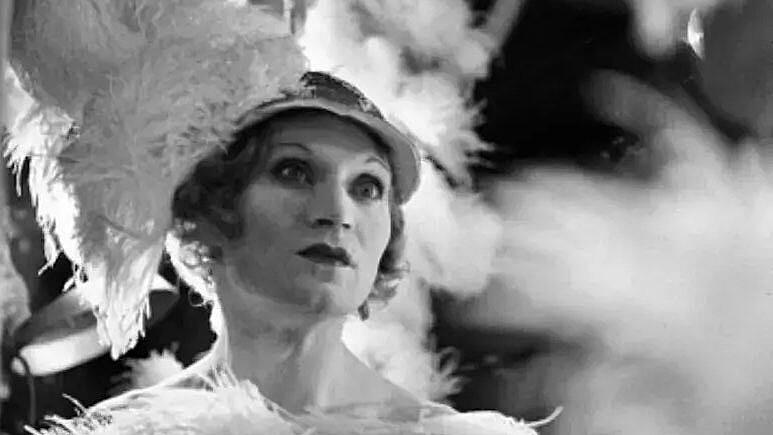
Vander Clyde Broadway, known to the world as “Barbette,” emerged from humble beginnings in Round Rock, Texas, and found fame as a drag performer and aerial artist in 1920s Paris, gracing the stages of vaudeville venues including the iconic Moulin Rouge. On June 4, 2026, over five decades after her passing, Barbette was honored with a historical marker placed at her gravesite in Round Rock Cemetery.
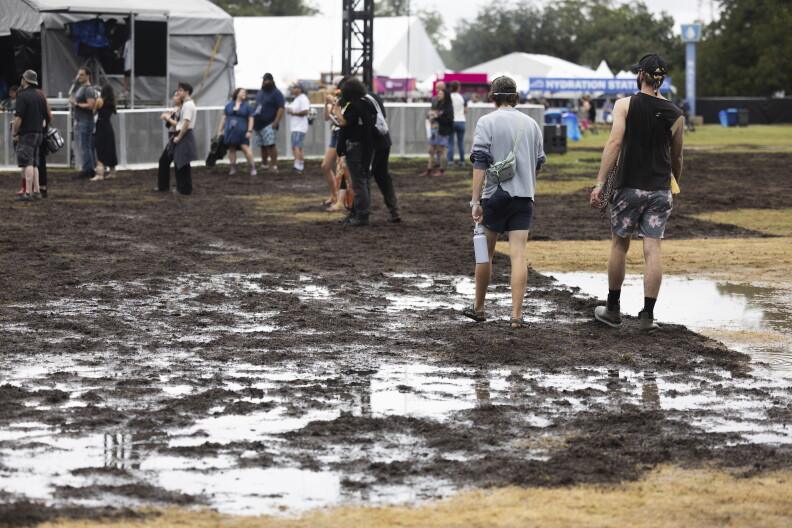
CBS Austin anchor John-Carlos Estrada, who spearheaded the initiative, expressed the significance of this recognition. “We know the story about the Alamo… but this is an untold story, and so the fact that we have this designation is really special,” he remarked during the unveiling ceremony, which took place under clear skies, despite earlier forecasts predicting rain.
A Trailblazer in Performance
Barbette became a celebrated figure in Paris, mingling with cultural icons such as Coco Chanel and Jean Cocteau. Despite her international acclaim, her name remained largely unfamiliar in her home state of Texas. Estrada noted that Barbette’s legacy is a crucial part of the broader narrative of Texas history.
Growing up in the early 1900s, Broadway developed a fascination for the trapeze after attending a circus in Austin with his mother. He began practicing high wire acts on a clothesline at home. At just 14, he graduated high school and joined a circus troupe in San Antonio, where dressing in drag was part of the performance—something both he and his mother embraced without hesitation.
Adopting the name “Barbette” for its French flair, Broadway quickly rose to prominence in Paris, performing at renowned venues and becoming a muse for celebrated photographers like Man Ray. Friends with artists like Pablo Picasso and Josephine Baker, Barbette’s life was a tapestry of artistic connections.
Returning Home
After a fall in 1929, Barbette shifted her focus from performing to directing and training for various circuses, including Ringling Bros. Later in life, she returned to Round Rock to live with her sister’s family. Her niece, Beverly Weeks, fondly recalls how Barbette would dress in elegant silk suits and engage her in playful observations about the people they encountered.
Weeks noted that she hadn’t realized the extent of Barbette’s fame until after her passing in 1973. The city of Round Rock recognized Barbette as a local legend in 2015, further solidifying her place in the community’s history.
Legacy and Influence
Estrada became captivated by Barbette’s story while producing a segment for CBS and subsequently created a documentary short titled “Barbette + Fontaine.” He is also in the process of publishing a book about her life. Barbette’s influence continues to resonate, inspiring Round Rock locals, including Richard Parson, who founded Round Rock Pride and regards Barbette as a patron saint for authenticity.
Local drag performers today, such as Sean Marburger and Maxine LaQueene, acknowledge Barbette’s pivotal role in shaping Texas’s queer narrative. Marburger emphasized, “There is no Texas without Barbette,” while LaQueene highlighted the enduring nature of queer stories that persist despite attempts at repression.
Supporting Future Generations
In 2024, Estrada and Barbette’s family established the Barbette Legacy Foundation to support aspiring performers through scholarships. Barbette’s great-niece, Chris Cahill, expressed pride in carrying on her legacy, noting the importance of enabling young talents to pursue their dreams.
Over the past two years, the foundation has awarded nearly $5,000 in scholarships. Looking ahead, applications for the next round of grants will open early next year. To celebrate and honor scholarship recipients, the foundation will host “Barbette Bash: Cirque du Barbette” on December 12 at The Rosette in Austin.