





Protests in Iran persist amid rising tensions as demonstrators voice their dissent against the government, fueled by frustrations over the country’s struggling economy. Despite the authorities’ attempts to suppress the unrest through internet blackouts and threats of violence, videos circulating online indicate that demonstrators remain undeterred.
According to a human rights organization that gathers information from insiders within Iran, the death toll has reached at least 116 since the protests erupted in Tehran in late December. Initially sparked by economic grievances, the protests have escalated into a significant challenge to the Iranian government.
Protesters are reportedly inspired by the support from the Trump administration and the exiled crown prince of Iran, who has urged them to take bold actions against security forces in a bid to reclaim control of their cities.
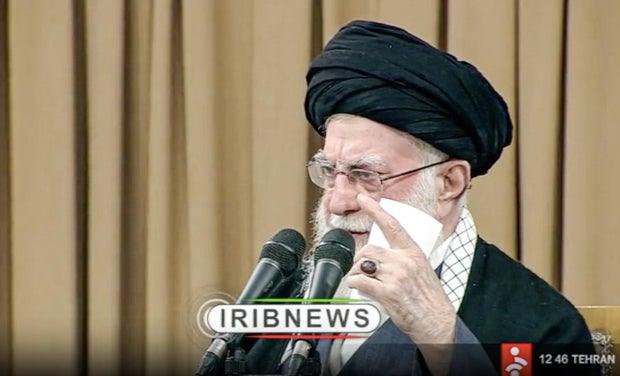
In response, Supreme Leader Ayatollah Ali Khamenei accused President Trump of being complicit in the violence, stating that his hands are “stained with the blood of Iranians.” During a speech broadcast on Iranian state television, Khamenei condemned the protests, claiming they are orchestrated to please the U.S. president.
As the government braces for further unrest, Khamenei hinted at a potential crackdown, even as U.S. officials issue warnings against excessive force. Iran’s attorney general has declared that participants in the protests could face severe charges, including being labeled “enemies of God,” which could carry the death penalty.
Trump has reiterated his stance, threatening retaliation if protestors are harmed. He emphasized his support for the Iranian people, stating that they are on the verge of achieving freedom and that the U.S. is prepared to assist them.
Human rights advocates report that at least 116 people have died, including security personnel, with more than 2,600 arrests made across 185 cities. The violence has reportedly involved live ammunition and pellet gunfire, particularly targeting the head and eyes of protesters.
Reports indicate that hospitals in Iran are overwhelmed with casualties, and medical staff are struggling to cope with the influx of injured individuals. Some facilities have run out of space to accommodate the deceased, highlighting the severity of the situation.
The Iranian government has maintained a narrative of control while downplaying the scale of the protests, referring to demonstrators as “terrorists.” Yet, evidence from social media contradicts this portrayal, showing significant protests continuing across various cities.
As the situation unfolds, state media broadcasts pro-government demonstrations, while independent channels report a starkly different reality. The Iranian regime’s communication blackout complicates the dissemination of accurate information regarding the protests.
Exiled Crown Prince Reza Pahlavi has emerged as a symbolic figure encouraging Iranians to intensify their protests and aim to seize control of urban areas. He expressed optimism about returning to Iran, suggesting that change may be imminent.
While Pahlavi’s calls for action resonate with some, it remains unclear how much support he commands within Iran, considering his family’s controversial legacy. The unrest has sparked discussions of revolution, yet the absence of a unifying leader poses challenges for the movement.
As Iran braces for what may be a pivotal moment in its history, the world watches closely, aware that the outcomes of these protests could reshape the nation’s future.