






As the deadline for funding the Department of Homeland Security (DHS) approaches, a standoff persists in Congress over proposed reforms to the nation’s immigration enforcement operations.
Recently, lawmakers passed a funding package aimed at reopening the government and securing financing for most agencies through September, following a brief four-day partial shutdown. The impasse arose from disagreements concerning DHS funding, which oversees Immigration and Customs Enforcement (ICE) and Customs and Border Protection (CBP). Ultimately, Congress approved a temporary funding measure, but it is only valid until February 13.
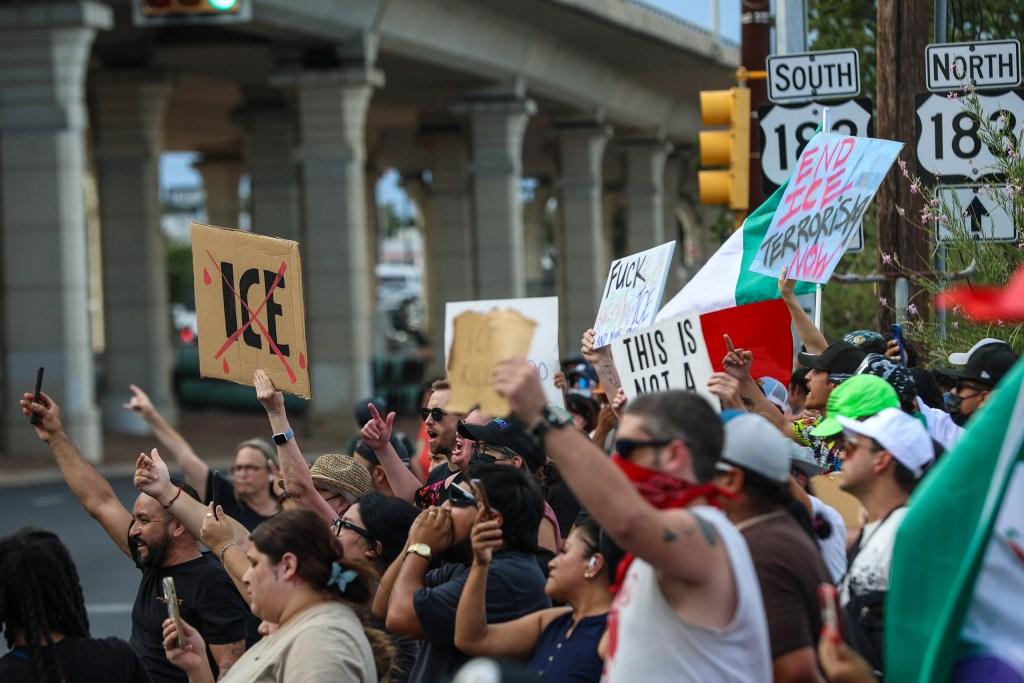
This short-term solution was intended to provide lawmakers additional time to negotiate reforms for immigration enforcement practices, which have faced criticism following two fatal incidents involving federal agents in Minneapolis last month. However, significant progress towards a bipartisan agreement remains elusive.
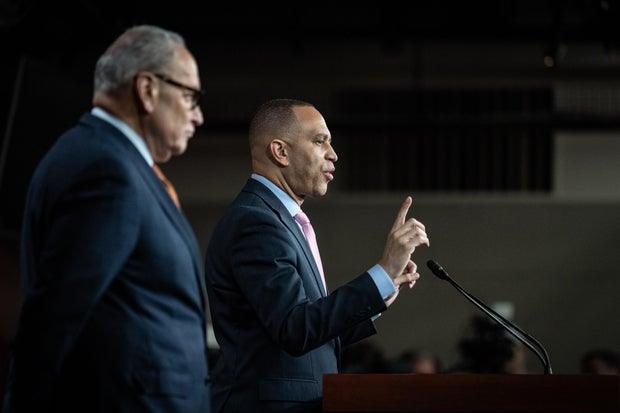
Senate Democrats have presented draft legislation regarding DHS funding to their Republican counterparts. This proposal incorporates reform measures for ICE, as outlined in a recent letter from Senate Minority Leader Chuck Schumer and House Minority Leader Hakeem Jeffries, which detailed specific demands for reforming DHS operations.
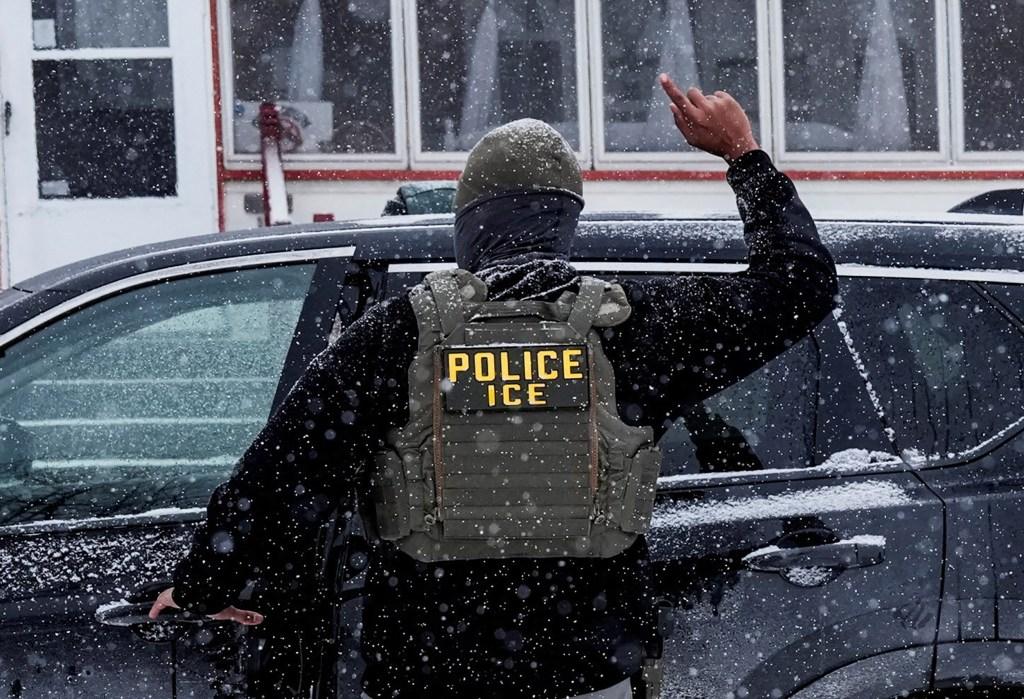
Among these demands are proposals to impose “guardrails” on DHS, such as prohibiting immigration agents from wearing masks, requiring them to display identification, and mandating the use of body cameras. Additionally, the Democrats seek to prevent agents from entering private property without judicial warrants and to establish procedures for confirming the citizenship status of individuals before detaining them. Republicans have dismissed these proposals as “unrealistic and unserious.”
When asked on CNN’s “State of the Union” about ongoing negotiations regarding the proposed reforms, Jeffries indicated that there had been no response from either the White House or Republican leaders. He stated, “In our view, the ball is in the court right now of the Republicans. They must decide whether to agree to substantial reforms for ICE and other immigration enforcement agencies or risk shutting down critical services like the Coast Guard, FEMA, and TSA, which would be unfortunate.”
If an agreement is not reached by February 14, funding for the agencies under DHS would cease, leading to the initiation of shutdown procedures. Nonetheless, immigration operations would continue as ICE and CBP received a substantial funding boost in the previous year’s budget.
Jeffries emphasized the need for decisive action, arguing that legislative changes are essential to effectuate behavioral shifts within DHS. He characterized the proposed reforms as “common sense,” highlighting the importance of body cameras, judicial warrants, and a no-mask policy for agents.
While some Republican lawmakers have shown openness to certain proposals, such as the requirement for body cameras and ending roving patrols, others firmly oppose key aspects of the Democrats’ demands. Texas Representative Tony Gonzales expressed skepticism about the proposals during an appearance on “Face the Nation,” stating, “There are some things that make sense, and a lot of things that don’t.”
Gonzales criticized the Democrats for what he perceives as an attempt to leverage the situation for political gain, stating, “Just a few days ago, this was a bipartisan vote, and now the Democrats are trying to hold the country hostage.”
He asserted that any negotiations regarding DHS funding must not include provisions for “amnesty for illegal aliens” or compromise the protections afforded to law enforcement officers. Gonzales also opposed the requirement for judicial warrants, which has emerged as a significant point of contention. He argued that administrative warrants, which are issued by immigration officials rather than judges, are sufficient for law enforcement purposes.
“Administrative warrants work,” Gonzales stated. “I want to equip law enforcement with every necessary tool to apprehend convicted criminals in our communities. It is illogical to restrict law enforcement from ensuring community safety.”
However, Gonzales acknowledged that some reforms, such as the body camera mandate, could receive support from Republicans, noting recent initiatives in Minneapolis. He also emphasized the importance of improving communication between ICE and local communities, suggesting that establishing communication liaisons could enhance collaboration.