





A tribal nonprofit organization and an outdoor recreation company have filed a request with a federal court to halt construction linked to the border wall in Big Bend National Park. They assert that the project violates U.S. law and jeopardizes constitutionally protected religious freedoms.
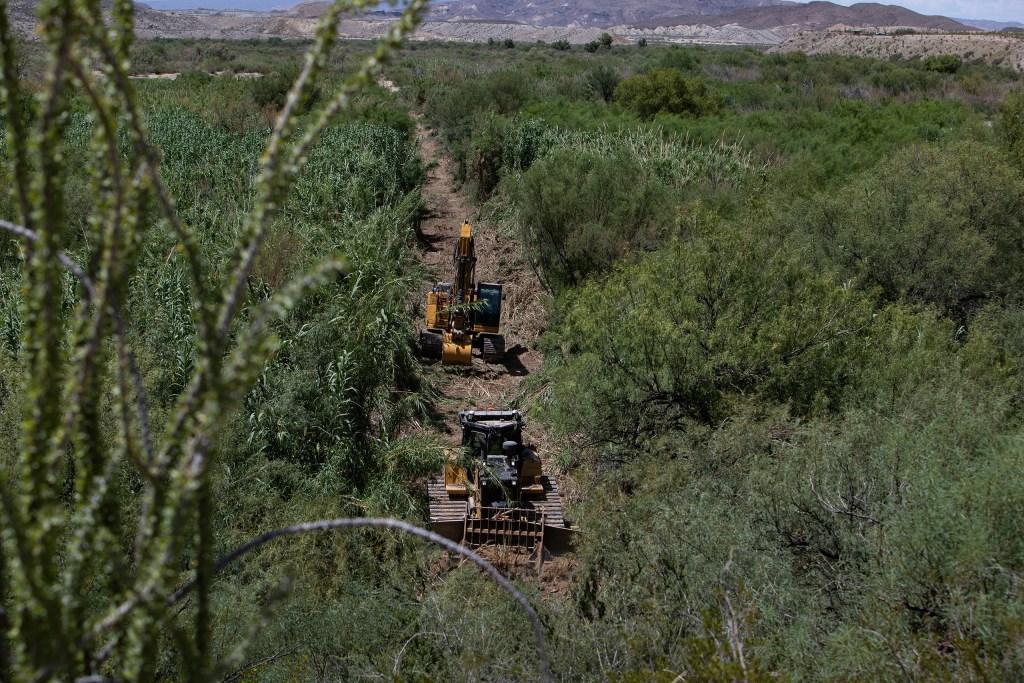
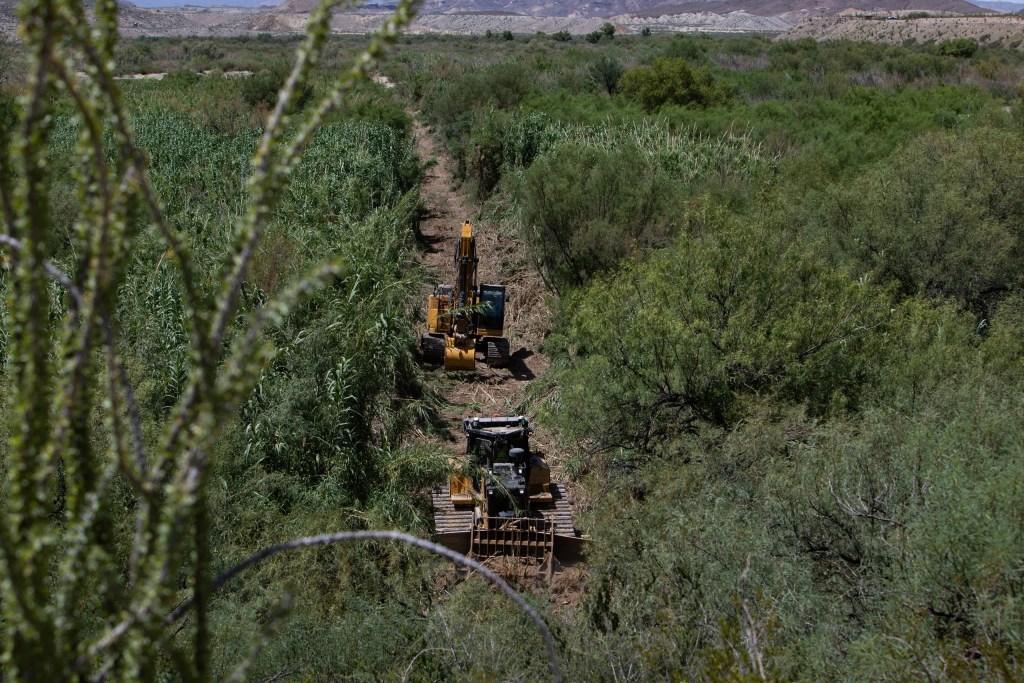
The lawsuit, presented in a San Antonio federal court, contends that ongoing construction efforts—including roads, drainage systems, erosion controls, safety features, lighting, cameras, and sensors—threaten to irreparably damage archaeological sites within the park, particularly those of significance to indigenous communities.
“Once an archaeological site is excavated by heavy machinery, once the physical context of artifacts is destroyed, or once a sacred or culturally significant landscape is permanently altered, the injury is irreparable,” the lawsuit states.
The group, known as the People of La Junta for Preservation and affiliated with the Lipan Apache community, has taken legal action against the Department of Homeland Security (DHS) and other federal entities to stop work initiated under a June 9 directive from Secretary Markwayne Mullin. This order waived certain federal and state regulations to allow construction along a 62-mile stretch of the border with Mexico. However, the lawsuit highlights that it did not exempt the laws requiring the Secretary of the Interior and the National Park Service to protect and develop the park.
Christina Hernandez, the founder and director of the nonprofit, emphasized that the construction endangers areas of cultural and religious importance that the Lipan Apache have revered for generations. “We are fighting the wall in court because our ancestors did not survive on this land for thousands of years for us to stand by and wait for someone else to come save it — we are here, we are responsible for it, and we will fight for it ourselves,” Hernandez stated.
Other plaintiffs in the lawsuit include Far Flung Outdoor Center, a Terlingua-based company offering guided river trips and recreational services in the Big Bend region, along with two Texans who engage in religious and historical practices within the park.
Plans to construct vehicle barriers and patrol roads within the national park have advanced under the Trump administration, despite bipartisan opposition. Earlier this year, environmental laws were waived to expedite the construction process.
Concerns about building in the region, particularly in state and national parks, have intensified as construction equipment has become increasingly visible. Recently, a bipartisan coalition of 46 state House representatives urged Texas Governor Greg Abbott to immediately halt construction in the area.
On Tuesday, U.S. Senator John Cornyn sent a letter to Mullin requesting a meeting with local residents before any further construction proceeds. This request followed a cease-and-desist letter issued in July by Texas Land Commissioner Dawn Buckingham, which accused U.S. Customs and Border Protection (CBP) and a federal contractor of illegally clearing land in the Big Bend area.
Despite widespread concerns, efforts to stop the construction have largely been unsuccessful. A proposed ban on the wall in the region failed to advance past a U.S. House funding panel in June, and a separate lawsuit from a local economic development organization has not impeded DHS’s plans.
Federal officials had recently been vague about the scope of construction and whether it would affect the two parks or wildlife areas. CBP Commissioner Rodney Scott, who initially denied that construction would occur in the region, defended the ongoing work, asserting that it aims to maintain local access. “We are NOT building a 30-foot wall or stadium lighting through Big Bend National Park, Big Bend Ranch State Park, or the Black Gap Wildlife Management Area,” Scott clarified. “What people are seeing right now is survey and design work — NOT construction of a wall through the park.”
A statement from DHS shared on social media prior to the lawsuit’s filing echoed Scott’s remarks, dismissing reports of construction in Big Bend as “fear mongering.”
In early July, a public map outlining construction plans was updated to show that two miles of 30-foot wall segments would be erected in two locations within Big Bend Ranch State Park.
State Senator Roland Gutierrez, a Democrat from San Antonio and an attorney involved in the lawsuit alongside Dick DeGuerin and Martin Golando, emphasized the importance of preserving the park for future generations. “The Trump administration wants DHS to bulldoze over the law just as badly as they have bulldozed America. We will not stay silent as the federal government continues to trample over the liberties of everyday people,” Gutierrez stated.