








David Lowery’s latest film, “Mother Mary,” presents a surreal exploration filled with ghosts, fashion, and the complexities of fame. The North Texas filmmaker ambitiously intertwines various themes, including the burdens of friendship overshadowed by celebrity, the horrors of body transformation, and a commentary on the pop music industry. However, the film’s most striking element may be its vivid portrayal of what a Taylor Swift concert could resemble through a distorted lens.
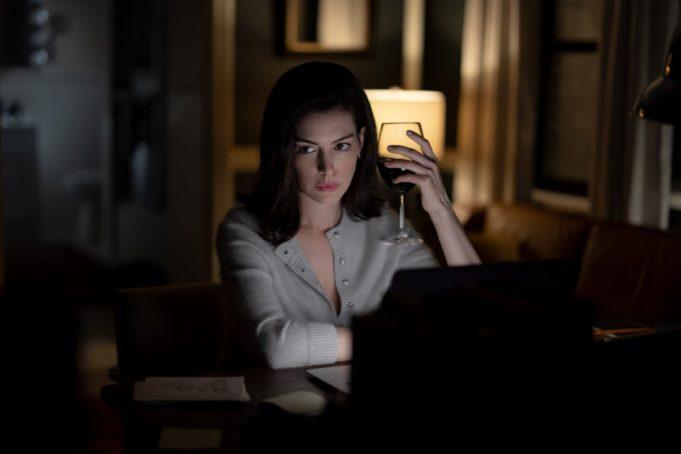
The narrative kicks off on a rainy day as pop icon Mother Mary, portrayed by Anne Hathaway, unexpectedly arrives at the English countryside studio of her former best friend and costume designer, Sam Anselm, played by Michaela Coel. After a decade marked by a fall from grace—whether an accident or a leap—Mary is eager to stage a comeback. Displeased with the costumes her team has provided for her tour, she seeks Sam’s expertise, demanding a new outfit with barely 72 hours to spare before her first performance.
Despite their past estrangement, Sam, now a respected designer in her own right, sees this as an opportunity for Mary to plead for her assistance. This leads to an array of dialogue that feels excessively verbose, as Sam reflects on the challenges of living in the shadow of a celebrity. Coel’s current co-starring role in another project, Steven Soderbergh’s “The Christophers,” offers a more poignant examination of an artist grappling with the repercussions of fame.
The film gains momentum during a scene where Mary showcases her choreography to Sam. Rather than relying on a dance double, Hathaway delivers a visceral performance, prompting Sam to question, “How are you supposed to sing while doing that?” This moment not only highlights Hathaway’s exceptional talent but also shifts the film’s focus away from Sam’s passive-aggressive stance towards Mary’s struggles. While Lowery’s idiosyncratic style may not always resonate, it contributes to some of the film’s standout scenes.
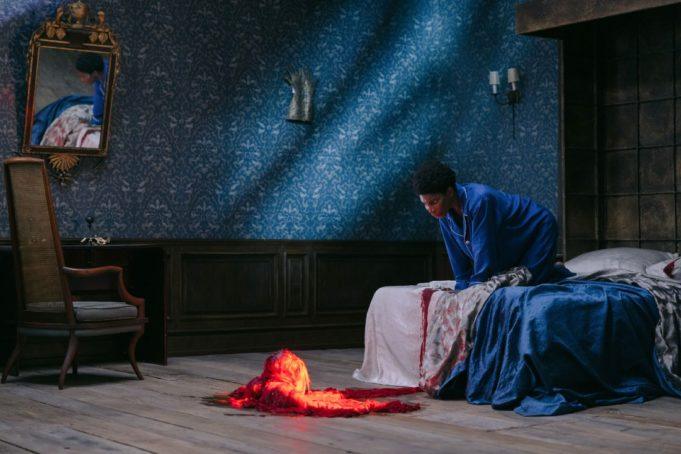
Flashbacks unfold in what are unmistakably sets adjacent to Sam’s workshop, where the characters witness their younger selves. A ghost is depicted through a large piece of red fabric, and Mary’s own tale of encountering this spirit is brought to life on stark black soundstages reminiscent of “Under the Skin,” as well as on vibrant concert stages that could belong in a sequel to “Smile.” The film draws on eclectic cinematic influences ranging from “The Bitter Tears of Petra von Kant” to “Moulin Rouge!” and “In Fabric,” providing a treat for film enthusiasts.
Regrettably, the film’s music does not quite match its ambitious visuals. Mary is envisioned as a star in ethereal costumes adorned with halos, singing dark, morbid love songs—a concept that costume designer Bina Daigeler executes more effectively than Lowery manages with the music. Despite contributions from notable artists like Jack Antonoff, Charli xcx, and FKA twigs, who also appears in the film as a fan invoking the ghost, tracks like “Burial” and “Blue Flame” fail to deliver on their potential.
While “Mother Mary” presents a visually appealing experience, Lowery juggles too many elements, preventing the film from cohesively coming together. The climactic moment, where Mary offers a long-overdue apology to Sam, feels rushed, and the supernatural aspects lack the capacity to evoke genuine awe or fear. Lowery’s directorial prowess is evident throughout, and there’s no suggestion that he should retreat to his earlier cinematic style. This film undeniably reflects his artistic vision, yet it concludes with the impression of a mediocre pop album from an artist capable of much more.
Mother Mary
Starring Anne Hathaway and Michaela Coel. Written and directed by David Lowery. Rated R.