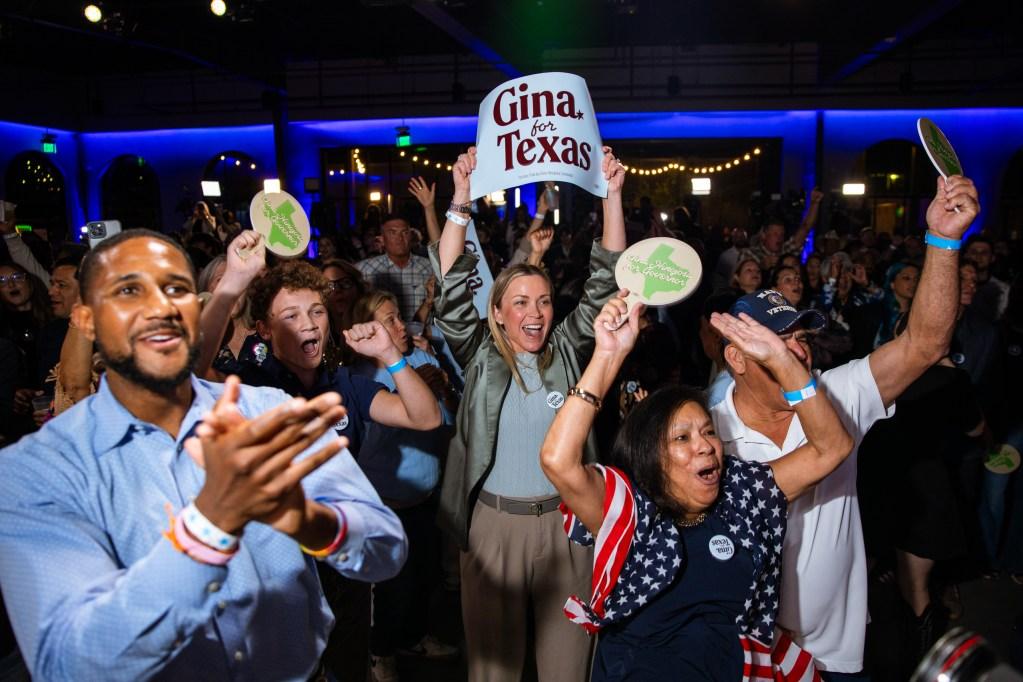










SAN JUAN — On Tuesday night, Gina Hinojosa took the stage to deliver her victory speech as Texas’ governor-elect, drawing on the strength of her upbringing in South Texas.
“I am a daughter of the Rio Grande Valley,” Hinojosa declared, reflecting on the tenacity and values of her community. “No one could have imagined that one day a little girl from the RGV would stand before you here as the next governor of the greatest state — Texas.”
Hinojosa’s triumph marks a significant milestone in Texas history, as she becomes the first Latina to hold the governor’s office. Her victory not only defied expectations but also instilled a renewed sense of pride in a region often overlooked.
“The fact that she’s Latina, from the Valley — that’s amazing and very historic,” said Rebecca Obregon from Brownsville, Hinojosa’s hometown.
Hispanic and Latino individuals constitute approximately 41% of Texas’ population, with over 90% residing in the Valley, a region closely linked to the U.S.-Mexico border. Historically advertised as a tropical paradise for agriculture in the early 20th century, the Valley has undergone rapid urbanization in recent decades. Despite these advancements, the area’s poverty rate remains significantly higher than the state average.
The Valley has a rich political tradition, famously associated with pivotal labor rights struggles, such as the 1966 Melon Strike. For years, it served as a stronghold for conservative Democrats.
Hinojosa has deep political roots; her father, Gilberto Hinojosa, previously chaired the Texas Democratic Party and served as the Cameron County judge.
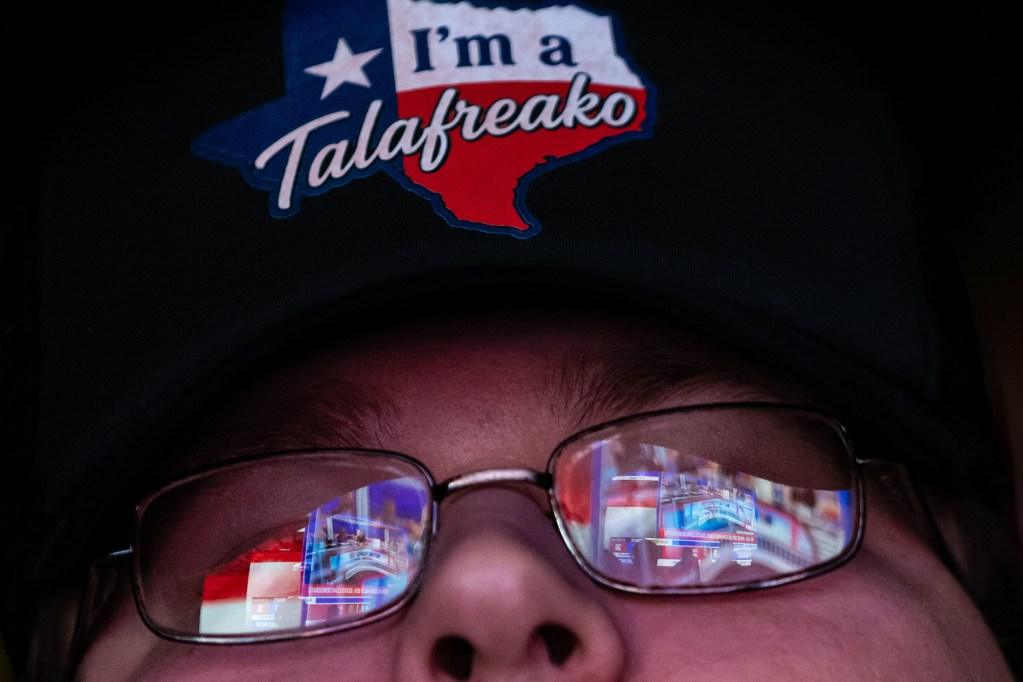
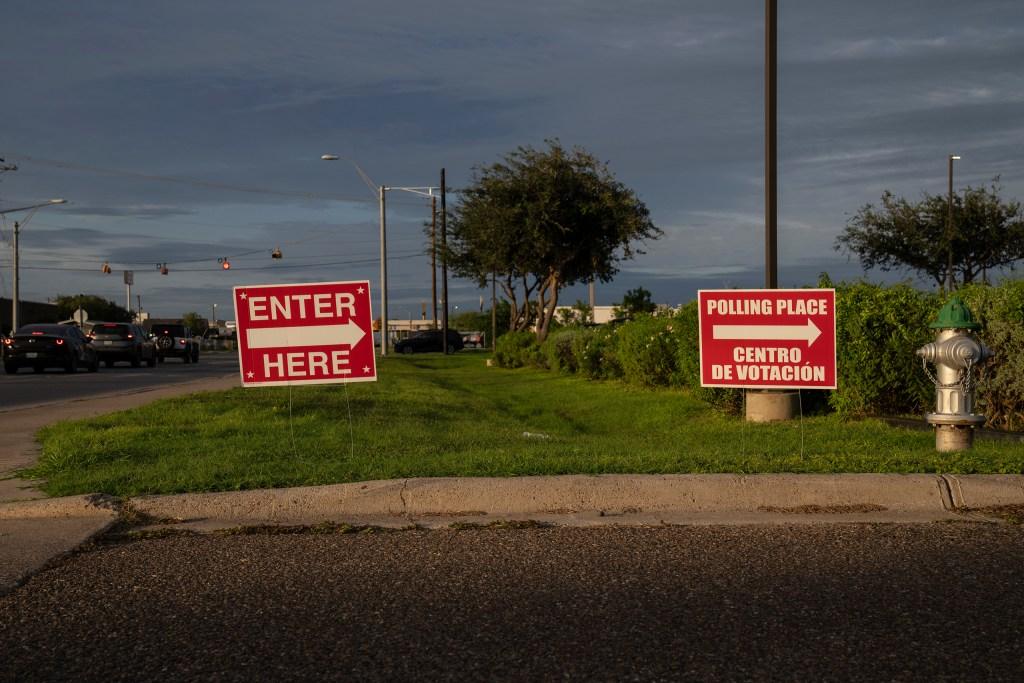
The Democratic wave sweeping through Texas was largely driven by Hispanic voters in border regions. Hinojosa, alongside state Representative James Talarico and Tejano music artist Bobby Pulido, galvanized support in these areas, resulting in an 8% surge in voter turnout, surpassing any other region in the state.
Obregon, a member of the Valley’s chapter of the Democratic Socialists of America, attended Hinojosa’s campaign launch in Brownsville in October 2025, inspired by her connection to the Valley and her candid discussions about the challenges faced by mixed-status families.
“She understands what life is like at the border,” Obregon stated.
La Union Del Pueblo Entero, a Latino civil rights organization in the Valley, played a crucial role in mobilizing voters through their political arm, LUPE Votes.
Tania A. Chavez Camacho, executive director of LUPE, expressed optimism that Hinojosa’s election would finally give the Valley a voice in state and federal policy discussions, a long-standing struggle for the community.
“What an honor to have the governor of Texas represented by someone born and raised in the Rio Grande Valley,” Chavez Camacho remarked, emphasizing the importance of ongoing dialogue with the community to ensure effective governance.
The organization aims to collaborate with Hinojosa on critical issues, including the 2030 U.S. Census to guarantee non-U.S. citizens are counted, as well as enhancing voting rights protections to ease mail-in voting processes.
Emerge, an organization focused on recruiting and training Democratic women candidates, found Hinojosa’s victory unsurprising. President and CEO A’shanti Gholar noted that it reflects the Latino community’s current struggles, including immigration policies, reproductive rights, and educational challenges.
“They sent a clear message that they are ready for change, and they believe Governor-elect Hinojosa will deliver that change,” Gholar stated.
The impressive turnout of Hispanic and Latino voters across the state signals a growing awareness of their political power, according to Maria Teresa Kumar, co-founder of Voto Latino, which seeks to engage more Latinos in the electoral process.
“What was most uplifting was witnessing a community that has been so neglected finally find their voice,” Kumar said, emphasizing Hinojosa’s relatable background as a factor in her success against three-term incumbent Gov. Greg Abbott.
Hinojosa’s victory is historic; she becomes the first Latina and the first woman to serve as governor of Texas since Ann Richards lost reelection in 1994.
Kumar believes Hinojosa’s rise will inspire Latino children throughout the state, demonstrating their potential for leadership.
Chavez Camacho pointed out that many LUPE members are under 30 and have never experienced a Texas governed by a woman or a Latina, highlighting the significance of Hinojosa’s election for young immigrants in South Texas.