








This election season, candidates Don Huffines, Christi Craddick, and Kelly Hancock are vying for the position of Texas comptroller, a role traditionally viewed as mundane yet crucial. Huffines has pledged to eradicate what he terms “woke ideology,” while Craddick has committed to ensuring that boys do not participate in girls’ sports. Hancock has emphasized his support for President Donald Trump’s immigration policies. However, the nature of their campaign promises may obscure the fact that they are competing for the state’s chief financial officer position, which primarily involves tax collection, disbursing funds, and forecasting state revenues.
Jon Taylor, a political science professor at the University of Texas at San Antonio, remarked on the typically low-key nature of this office, stating, “This is an office that is boring. It is supposed to be more administrative, more low-key.” Yet, the Texas comptroller’s agency has recently gained prominence, particularly after the legislature assigned it the task of managing a new $1 billion program that allows parents to use public funds for private school tuition.
What has historically been a nonpartisan role has transformed into a fiercely contested Republican primary, driven by the same cultural issues that have influenced higher-profile races across the state. The candidates are tapping into the concerns of Texas Republican voters, who have increasingly leaned conservative in recent elections. This approach raises questions about how the victor of this race might redefine the responsibilities of the comptroller’s office.
While the Texas Legislature ultimately decides budget allocations and funding for state agencies, Hancock, the acting comptroller, advocates for enhanced auditing powers to investigate fraud and waste, and to hold local governments accountable to state regulations. All three candidates share a commitment to leveraging the agency to address concerns of government inefficiency, resonating with a GOP base eager to combat waste, reminiscent of Elon Musk’s federal DOGE initiative.
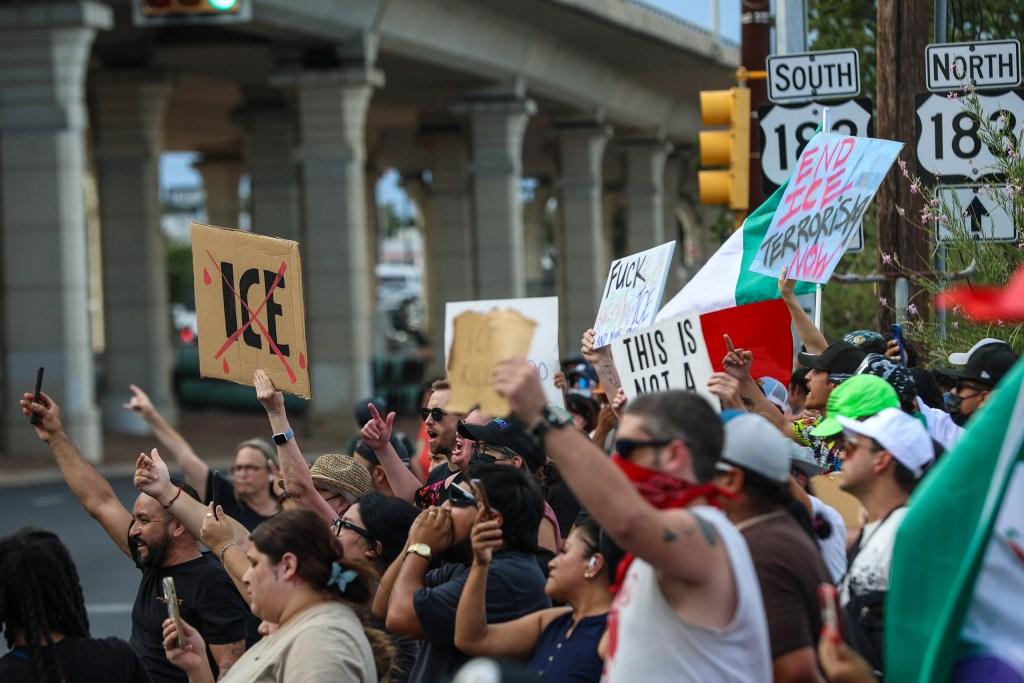
Their discussions have intertwined financial management with broader social conservative priorities, including opposition to terrorist organizations, immigration issues, and perceived threats from certain religious groups. In a recent appeal, Huffines urged voters to support him if they seek a comptroller dedicated to eliminating diversity, equity, and inclusion (DEI) initiatives from government operations, asserting that he has been at the forefront of this battle.
Hancock, in his capacity as acting comptroller, touts achievements in dismantling DEI frameworks within certain state contracts, suggesting that he has made progress in this area. “We’ve delivered results at the speed of business,” he stated, emphasizing his experience and the necessity for a comptroller who understands the office’s obligations.
Craddick, currently a railroad commissioner, recently reinforced her stance, asserting that Texans should not have to scrutinize their tax contributions to ensure they are not funding what she describes as “radical ideology.” She firmly stated, “I won’t let Texas taxpayers bankroll nonsense,” reiterating her commitment to conservative values, including a pro-life stance and strict immigration policies.
Despite ambitious promises regarding the agency’s role in combatting waste, the comptroller’s office has limited authority to conduct investigations. This reality stems from almost thirty years of political shifts in Texas, where Republican leadership has redefined the office’s scope. In the 1990s, former Comptroller John Sharp, a Democrat, was recognized for his performance review program that identified governmental waste and inefficiencies, prompting legislative reforms. However, in 2003, the Legislature transferred these performance review powers to the Legislative Budget Board following conflicts between Sharp’s Republican successor and then-Governor Rick Perry.
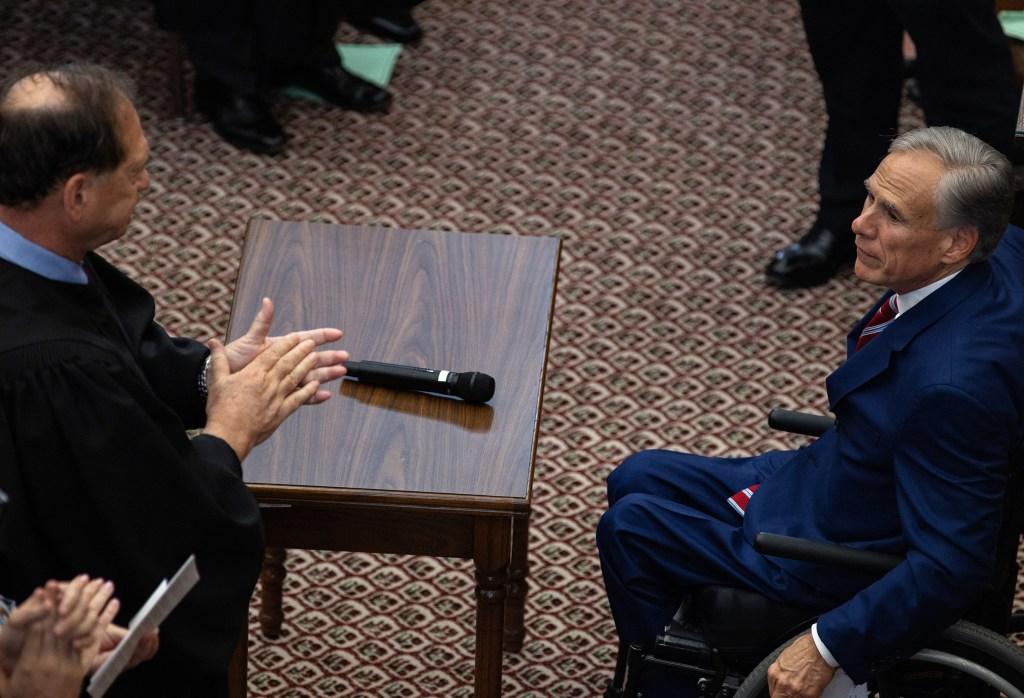
This election marks the first open seat for the comptroller in over a decade, following Glenn Hegar’s departure to serve as the chancellor of the Texas A&M University System. Governor Greg Abbott appointed Hancock to complete Hegar’s term. The Republican primary victor will contend with the Democratic candidate in November, although a Democrat has not secured a statewide office in over thirty years.
Historically, Hegar maintained a stance of avoiding partisan disputes during his first two terms. However, as he campaigned for a third term, he began to leverage the office’s resources to challenge progressive policies and local governance. Notably, in 2022, he threatened to withhold revenue from Harris County, accusing local officials of undermining law enforcement funding under the guise of “defunding the police,” and prohibited state contracts with financial institutions that failed to support the oil and gas sector.
Cal Jillson, a political science professor at Southern Methodist University in Dallas, expressed skepticism about the relevance of candidates’ platforms to the office’s actual functions. He noted that while the comptroller’s office does conduct substantive research and analysis, the focus of the candidates has shifted to partisan social issues. “No matter what the office is you’re running for, you make the argument that you are dependable and solid,” he explained, adding that candidates utilize social issues as a rallying point, despite their limited connection to the comptroller’s responsibilities.