








The recent election in Texas may have concluded, but the journey toward holding state officials accountable is just beginning. Following a significant Democratic victory that saw candidates sweep every statewide office, Senator Ted Cruz took to his podcast to express his determination for the future. “I give you my word: Texas will be red again,” he asserted.
In contrast, Democratic National Committee Chair Ken Martin views the outcome differently. He described Texas as a seismic battleground state for the upcoming presidential race, indicating a shift in the political landscape.
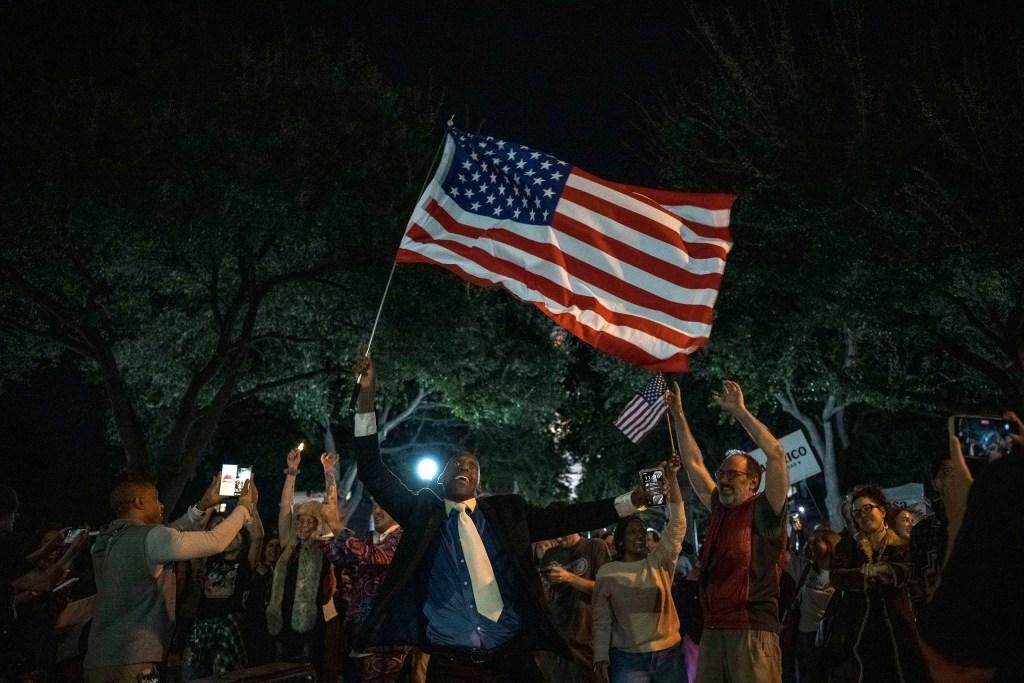
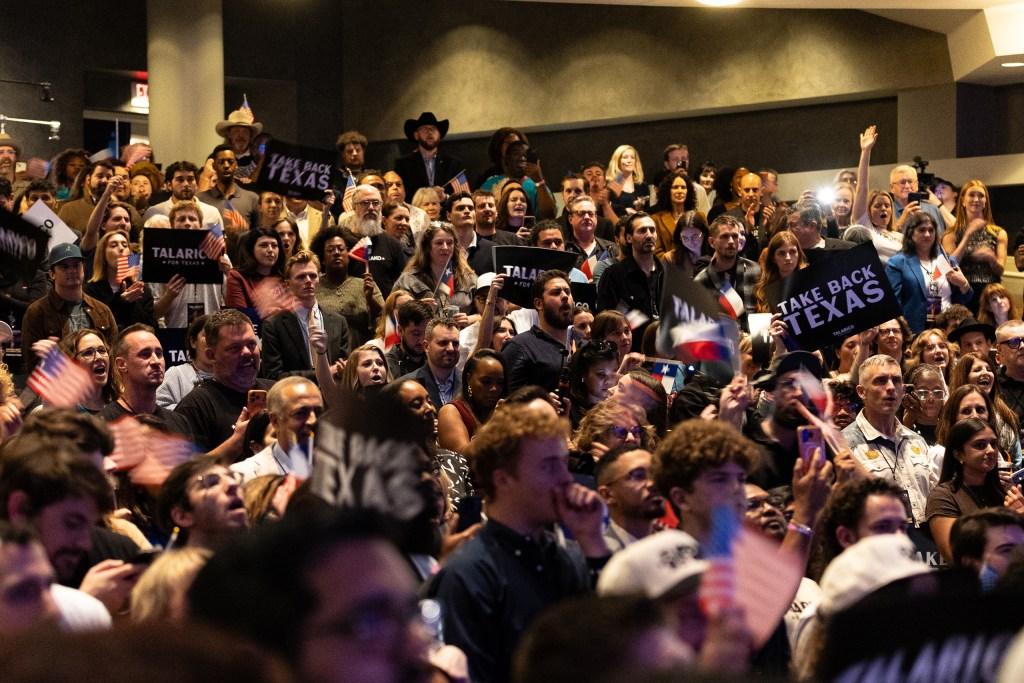
Just two years after former President Donald Trump won Texas by almost 14 percentage points, Democrat Gina Hinojosa managed to unseat Governor Greg Abbott while James Talarico secured a U.S. Senate seat by a margin of 12 points. This rapid change raises questions about whether these results signal a temporary anomaly or the start of a lasting transformation ahead of the crucial 2028 presidential election.
Texas, with its 40 electoral votes, represents a significant prize in the Electoral College and has been pivotal for Republican candidates since 1980. For Republicans, losing Texas would make the path to securing 270 Electoral College votes nearly impossible, particularly with the state expected to gain additional electors following the 2030 Census.
Historically, both parties have treated Texas as a non-competitive state, with Democrats last winning a presidential contest there with Jimmy Carter. This perception has allowed Republican candidates to secure victories with relative ease, often without campaigning extensively in the state.
Now, the results from the recent election serve as a political Rorschach test, prompting both parties to reassess their strategies and opportunities for the future.
Karl Rove, a key figure in Texas Republican politics, highlighted that the state’s competitiveness in 2028 will hinge on several crucial factors that will emerge in the coming years. He emphasized the importance of the Republican Party’s ability to unify and whether Democrats will govern from a centrist position or lean towards more liberal ideologies.
Rove noted that the Democratic victory was not merely a fluke but reflected significant crossover voting from Republicans and independents in response to controversial GOP figures like Senate nominee Ken Paxton.
Cruz, a potential candidate for president, interpreted the election results as a critical moment for the GOP to refocus its messaging on economic issues. He expressed a commitment to restoring Texas’ Republican identity, asserting that the state remains rooted in traditional values.
Martin pointed out that the Democratic success in Texas opens opportunities to expand their electoral strategy into areas previously overlooked. Rove acknowledged that the recent results may drive increased Democratic investment in Texas, compelling Republicans to prepare for heightened competition.
While funding and attention from national parties do not always guarantee electoral success, Rove recalled a time when the Democratic apparatus in Texas was stronger, yet Republicans managed to win.
For Democrats, having a governor from their ranks could provide essential resources and a platform leading up to the 2028 elections, especially if they can deliver on their campaign promises and effectively govern.
Hinojosa’s campaign focused on lowering costs, improving public education, managing Big Tech growth, and tackling government corruption. However, despite Democratic control of the Texas House and the governor’s office, Republicans maintain a majority in the state Senate, likely creating obstacles to the Democratic agenda.
Former San Antonio Mayor Julián Castro emphasized that a new generation of Democratic leaders would have the chance to showcase the benefits of their governance by 2027.
Illinois Governor JB Pritzker, a potential contender for the 2028 nomination, affirmed Texas as a battleground state and anticipated significant investments from both parties. He highlighted the importance of Texas in shaping national change.
Pritzker’s support for Hinojosa’s campaign, including a $1.2 million donation, sparked discussions about national strategies, while criticism arose towards other Democratic figures for not investing adequately in Texas.
Castro noted that the path to national victories requires Democrats to compete successfully in states beyond their traditional strongholds.
Despite the challenges, the perception of Texas as a competitive state could prompt Republicans to shift resources from established battlegrounds to protect their standing in Texas.
With the possibility of more Democratic investment in Texas, Talarico cautioned against overinterpreting the recent results but affirmed that Texas is now firmly on the political map for the next presidential election.
He urged candidates to connect with Texans and address their needs, suggesting that a broader approach could yield success in the state.
Historically, presidential candidates have often neglected Texas after early primaries, with previous campaigns showing limited engagement. Moving forward, Castro believes that 2028 will see greater attention and resources directed toward Texas, contrary to past practices.
Outgoing Senator John Cornyn attributed the recent Republican losses to a tarnished party brand among key voter groups, asserting that Texas remains fundamentally a center-right state.
Rove reiterated the importance of candidate quality for both parties in the upcoming election. He warned that a Democratic nominee perceived as too liberal could hinder their chances in Texas.
Cruz, who is considering a presidential bid, has taken steps to strengthen the GOP’s position in Texas, including launching a nonprofit aimed at rebuilding the party’s infrastructure and candidate pool.
Historically, Texas has played a crucial role in presidential elections, with the state consistently voting for the party whose candidate included a Texan. Hinojosa’s victory also means that if Cruz were to run for president, she would temporarily fill his Senate seat if he wins.
As political dynamics shift, the prospect of a Texan on the Democratic ticket could also emerge, with both Talarico and Hinojosa being potential candidates for vice presidential nominations.