







In 1975, Texas enacted legislation permitting school districts to deny undocumented students access to free public education. This prompted a lawsuit from several families against a policy implemented by a district in Tyler.
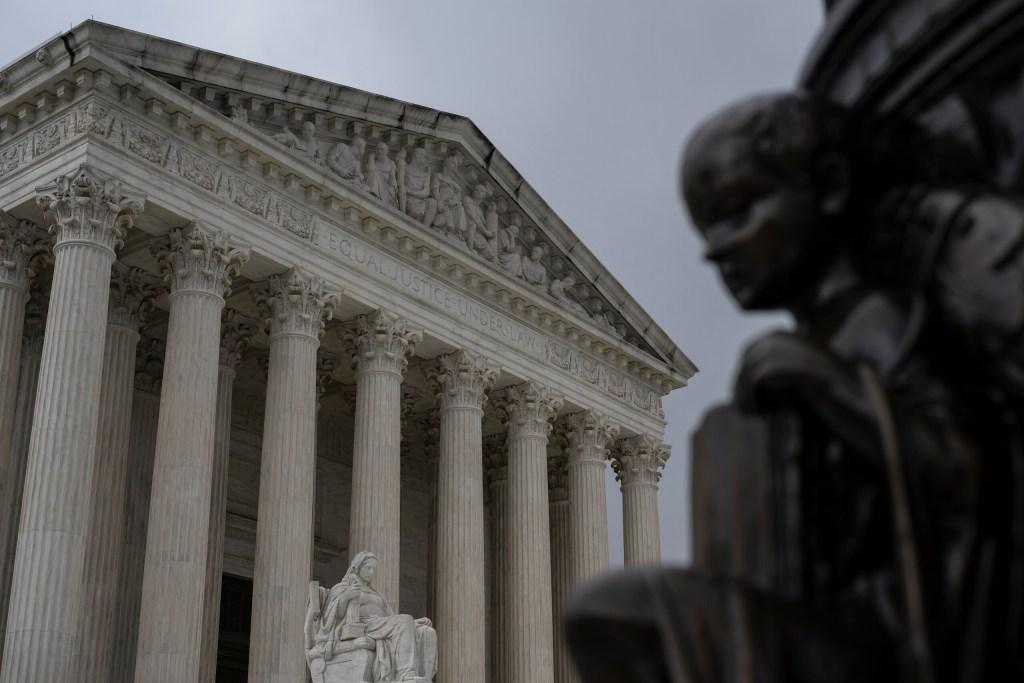
The U.S. Supreme Court later decided in Plyler v. Doe that Texas’ law was unconstitutional, affirming that all children have the right to public education, irrespective of their citizenship status.
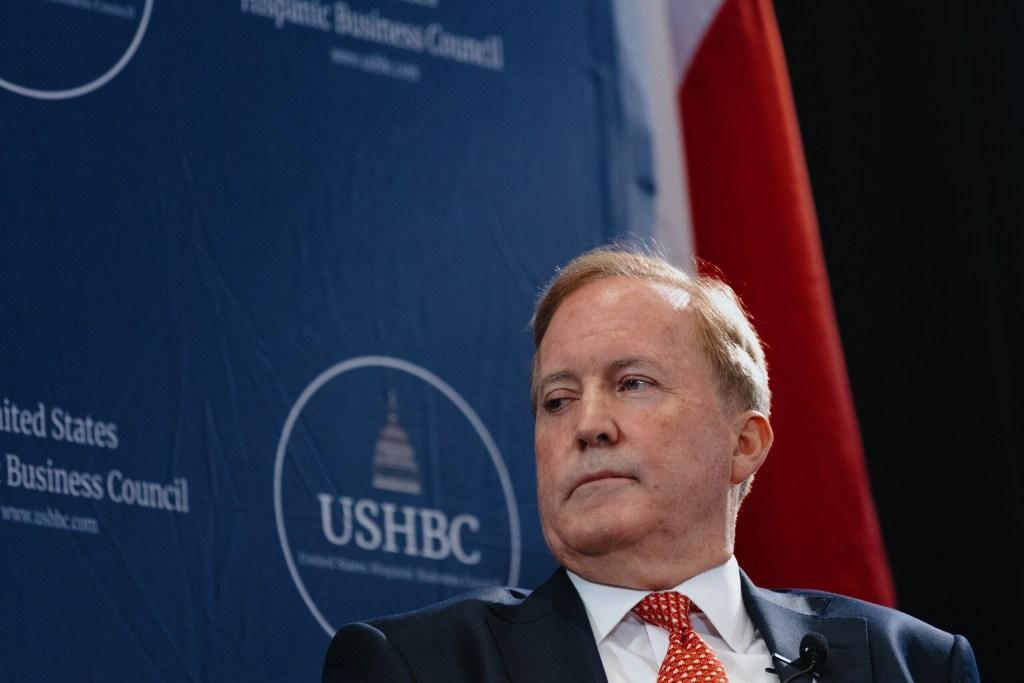
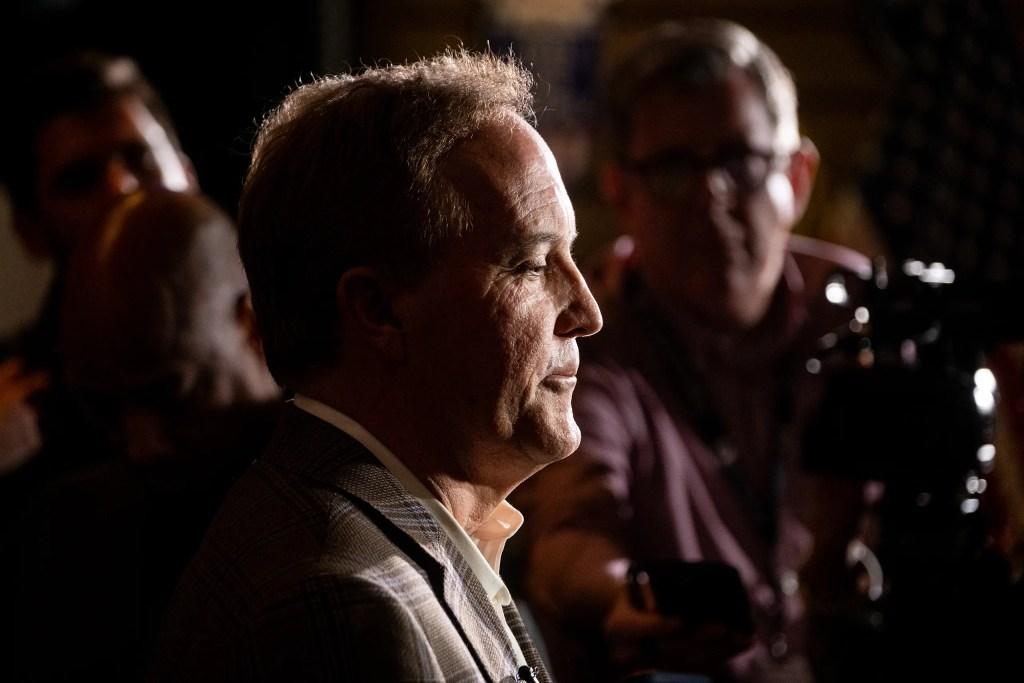
Fast forward to today, at a candidate forum in Tyler— the same city linked to that pivotal ruling— the Republican candidates vying for the position of Texas attorney general articulated their intentions to utilize the office to challenge that very ruling.
U.S. Representative Chip Roy identified it as one of his top priorities in his campaign for attorney general, while Senator Mayes Middleton referred to the decision as a “terrible ruling” that could be overturned by a newly conservative majority in the Supreme Court.
This commitment from both candidates to potentially overturn established Supreme Court precedent signals a shift in how Texas’ next attorney general might wield the office to further the objectives of the conservative legal movement, possibly surpassing the efforts of the current officeholder, Ken Paxton.
With the recent overturning of Roe v. Wade and a Supreme Court composition favorable to conservative causes, there is a growing eagerness among conservatives to revisit and challenge other long-standing rulings, encompassing issues such as same-sex marriage, the separation of church and state, and the federal government’s authority over states.
By expressing their willingness to pursue these legal battles, Roy and Middleton reveal their intent to escalate the partisan agenda of the office beyond what Paxton has accomplished, according to Georgetown University law professor Steve Vladeck.
“The idea that an attorney general of any state, even Texas, should lead the charge in defining the Constitution’s meaning on a national scale is, in my view, the height of hubris,” Vladeck commented. “One might even call it Texas-sized hubris.”
Both Roy and Middleton, who are set to face off in a runoff election on May 26, did not respond to requests for comment. However, during the forum in Tyler, Roy expressed his eagerness to challenge numerous legal cases if he were to be elected as attorney general.
“We could sit here all night discussing the cases Texas should be contesting,” he stated. “We must remain vigilant in our challenges at every opportunity.”
A More Politicized AG’s Office
Three decades ago, many state attorney general offices—including Texas’—functioned primarily as bureaucratic entities focusing on child support enforcement and state agency lawsuits. However, this paradigm began to transform in the 1990s when states joined forces to file significant consumer protection lawsuits against major tobacco companies on behalf of their citizens. This shift placed attorneys general at the forefront of advocating public policy through the judicial system.
The tobacco litigation was initially bipartisan, as was much of the proactive legal action by states. This dynamic shifted during the Obama administration when red states, spearheaded by then-Texas Attorney General Greg Abbott, initiated lawsuits to block executive orders regarding environmental regulations and immigration policies. A 2007 Supreme Court ruling granting states “special solicitude” to sue the federal government on behalf of their citizens further empowered these efforts.
During Trump’s presidency, blue states adopted a similar approach, and following Joe Biden’s election in 2021, Paxton committed to deploying his agency against the president’s policy agenda. Ultimately, Texas filed over 100 lawsuits against the Biden administration, addressing issues ranging from abortion to COVID vaccine mandates. Since Trump’s return to office, Paxton has shifted focus towards legal actions against nonprofits, private enterprises, and local governments concerning various culture war issues.
Both Roy and Middleton have pledged to sustain this trend of partisan litigation. Roy, who previously worked under Paxton, proudly highlights his role in suing the Obama administration and attempting to obstruct the Supreme Court’s same-sex marriage ruling. Middleton, regarded as one of the most conservative members of the Legislature, campaigns on his track record of advancing pro-religion and anti-LGBTQ legislation, one of which is already challenging long-established legal precedents.
During the last legislative session, Middleton sponsored a bill mandating that public schools display the Ten Commandments in classrooms, which a judge blocked based on a 1980 Supreme Court ruling declaring such a requirement unconstitutional. However, the 5th U.S. Circuit Court of Appeals has allowed the law to proceed while it deliberates on arguments against it.
“We must dismantle these secular precedents that have hindered prayer in schools, limited access to Christian educational institutions, and ultimately obstructed the foundational aspects of our nation, which stem from our faith,” Middleton asserted at the Tyler forum, criticizing what he termed the “false doctrine of separation of church and state.”
If elected attorney general, Middleton would be responsible for defending such lawsuits and potentially exploring other legal avenues to promote the religious freedom agenda. Vladeck expressed doubt that the current Supreme Court would be eager to reverse its stance on these issues, although he acknowledged that circumstances can change rapidly.
“But the broader question remains: why would a single state attorney general consider themselves positioned to lead the charge on national issues?” he questioned. “Attorneys general are meant to enforce state law, not to redefine the federal Constitution.”
Roy has explicitly voiced his ambition to overturn precedents such as Wickard v. Filburn, a case from the Great Depression that granted the federal government expansive authority over interstate commerce. Various conservative legal groups, including the Texas Public Policy Foundation—where Roy has previously worked—have argued that this ruling has led to an unconstitutional encroachment on state power. While a federal judge dismissed TPPF’s lawsuit, two other federal judges have permitted similar challenges, setting the stage for higher courts to potentially weigh in.
Roy has also expressed a desire to overturn Obergefell v. Hodges, the 2015 ruling that legalized same-sex marriage. “There’s a war raging against our values as Texans, and we must fight back,” he declared during the campaign forum.
Typically, an attorney general would have to wait for the legislature to pass a law that conflicts with existing precedents and hope that the state would be sued to bring the case to the Supreme Court. However, the current attorney general has discovered ways to circumvent that procedure. After legislators opted not to advance Middleton’s bill prohibiting undocumented college students from receiving in-state tuition, Paxton orchestrated a deal with the Trump Department of Justice to challenge the law in court.
The next attorney general could adopt a similar approach if political support in the legislature is lacking for legislation targeting public education access for undocumented students.
After senior White House advisor Stephen Miller recently questioned Texas GOP lawmakers about their hesitance to challenge the Plyler ruling, one Republican responded that the “mainstream of the Republican caucus” was not inclined to contest Plyler.
However, Vladeck noted that the in-state tuition case exemplifies the potential for an attorney general to bypass conventional processes to advance political objectives.
“This, in some respects, is an inevitable result of the increasing politicization,” he stated. “In a scenario where state attorneys general perceive themselves as responsible not just for their state’s laws but also as advocates on a broader front, their overt declarations of intent are unsurprising, albeit somewhat concerning.”