









Texas Museums: Guardians of History
The state of Texas is steeped in rich historical narratives, with its past marked by significant events, diverse cultures, and unique developments that have shaped its identity. As a result, museums across the Lone Star State serve not just as repositories of artifacts, but as vital institutions that preserve and present the intricate tapestry of Texas history. These institutions are not mere attractions; they are essential hubs of education, community engagement, and cultural preservation. From the sprawling halls of large urban museums to the intimate settings of small-town galleries, Texas museums highlight the stories that have defined the region and continue to influence its trajectory.
With over 1,500 museums spanning art, science, history, agriculture, and more, Texas offers a distinctive glimpse into various narratives. This article explores how these museums are dedicated to preserving history, celebrating diversity, and fostering a sense of community through engaging exhibits, educational programs, and collaborations.
The Role of Museums in Historical Preservation
Museums play a crucial role in the preservation and interpretation of history, providing context to the events and figures that have shaped the state. They serve as custodians of the past, safeguarding artifacts that might otherwise be lost or forgotten. In Texas, historical museums not only store collections but also actively engage in the documentation and preservation of the narratives that those collections embody.
Many Texas museums employ professional conservators who specialize in preserving artifacts using advanced methods to ensure their longevity. These efforts include climate-controlled storage, restoration of damaged items, and digitization of records, making history more accessible to the public. For example, the Texas Historical Commission utilizes state-of-the-art conservation techniques to maintain historical buildings and artifacts across the state, ensuring they remain intact for future generations.
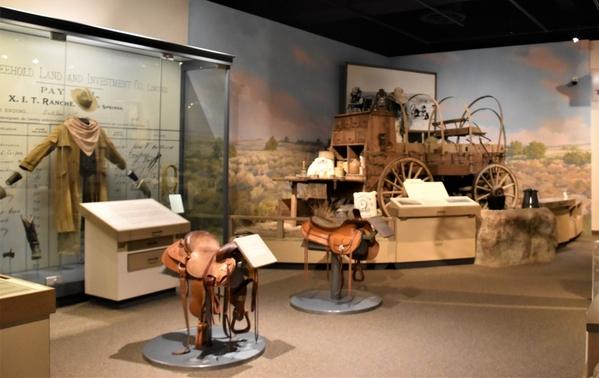
Furthermore, museums host exhibitions that highlight particular aspects of Texas history, such as the Civil War, the Texas Revolution, or the diverse cultural contributions of Indigenous peoples and immigrant communities. The Bullock Texas State History Museum in Austin features rotating exhibits that delve into significant moments in Texas history, providing an engaging and immersive experience that educates visitors about the state’s vibrant past.
Community Engagement through Historical Education
Engagement is a vital component of a museum’s mission. Texas museums actively reach out to local communities, enhancing their educational offerings and making history accessible. Schools often partner with museums to create tailored educational programs that meet curriculum standards while also captivating young minds.
Programs such as guided tours, hands-on workshops, and immersive reenactments are designed to foster a connection with history beyond the classroom. For instance, educators at the Witte Museum in San Antonio have created interactive experiences that allow students to participate in archaeological digs or explore Texas wildlife through engaging STEM workshops. These initiatives not only deepen students’ understanding but also instill a sense of pride in their heritage.
Moreover, museums in Texas frequently host community events such as history fairs, documentary screenings, and cultural festivals. These gatherings serve as platforms for dialogue and collaboration, bringing together diverse perspectives from various communities. The George W. Bush Presidential Library and Museum in Dallas, for instance, regularly conducts discussions and film screenings that explore critical issues and historical debates, making history relevant and dynamic.
The Diverse Cultural Narratives of Texas
Perhaps one of the most remarkable aspects of Texas history is its cultural diversity. The state is home to numerous ethnicities and cultures, including Native American, Mexican, African American, and European influences. Museums serve as vital platforms for these narratives, illustrating the interconnectedness that defines Texas’s identity.
The Mexic-Arte Museum in Austin is dedicated to showcasing Mexican and Mexican-American art and culture, celebrating the contributions of these communities and highlighting their historical significance. Through exhibitions, artist showcases, and educational programming, the museum fosters appreciation for cultural heritage, while also providing a venue for contemporary discussions around identity and representation.
Similarly, the African American Museum in Dallas stands as a testament to the enduring impact of African Americans on Texas’s history. Through exhibitions that portray the struggles, achievements, and resilience of African American communities, the museum plays a critical role in acknowledging and preserving these narratives. The museum’s archives boast extensive collections that include photographs, documents, and art, offering invaluable insights into the African American experience in Texas.
Challenges Facing Texas Museums
While Texas museums work tirelessly to preserve history and engage communities, they face a myriad of challenges, including funding limitations, changing technology, and shifting demographics. Many museums rely heavily on state funding, donations, and grants, which can fluctuate. This financial uncertainty can put pressure on programs and staffing, impacting their ability to serve the community effectively.
As visitor preferences change, museums are tasked with adapting their exhibitions and outreach methods. The rise of digital media and virtual experiences has transformed how audiences engage with history. To compete for attention, museums need to innovate and enhance their digital presence, offering online resources and virtual tours that broaden their reach.
In response to these challenges, some museums have begun to explore creative solutions, such as partnerships with local businesses, combining resources and expertise to present unique exhibitions and events. For instance, the El Paso Museum of History collaborated with local artists to integrate contemporary art into historical narratives, enriching the visitor experience and attracting a younger audience. This type of innovative approach not only brings fresh perspectives to Texas history but also sustains interest in museum offerings.
The Future of Historical Preservation in Texas
Despite the challenges they face, the future of Texas museums looks promising. With continued investment in education and innovation, these institutions can sustain their mission of preserving history while evolving to meet the needs of modern audiences. Emerging technologies are already enhancing the museum experience, with virtual reality and augmented reality becoming more prevalent in exhibits that allow visitors to explore historical settings in immersive ways.
Many museums are also prioritizing diversity and inclusion, recognizing the importance of representing all voices in Texas history. Collaborative efforts with local communities to develop exhibits and programs will only enrich the preservation of narratives that reflect the state’s multifaceted heritage. The establishment of advisory boards comprised of community members from various backgrounds has already proven beneficial in shaping presentation strategies and in promoting cultural dialogue.
Moreover, as educational institutions increasingly recognize the benefits of experiential learning, museums will continue to be integral to classroom education. By building robust partnerships with schools and universities, museums can provide impactful learning experiences that extend beyond traditional textbooks. Programs that encourage critical thinking, creativity, and cultural awareness are vital for developing informed citizens who appreciate their past and influence the future.
Engaging Visitors in the Story of Texas
In an era where technology and accessibility play significant roles in shaping visitor experiences, Texas museums are embracing new strategies to engage audiences. From interactive exhibits to digital outreach, these institutions are evolving to maintain relevance and enthusiasm among younger generations. Utilizing social media as a tool for promotion, education, and engagement, museums are connecting with audiences eager to learn about Texas history in varying formats.
Events like “Museum Day,” where admission is typically free, encourage families to explore their local cultural institutions, inspiring community ties. The Houston Museum District hosts annual events that welcome thousands of visitors, showcasing the museums’ diverse offerings and increasing public engagement. Initiatives like these foster a sense of community and encourage deeper connections among cultural institutions and the residents they serve.
On the digital front, museums are increasingly creating virtual experiences that allow global audiences to access their collections and participate in educational programs. During the pandemic, many Texas museums rapidly adapted by moving programs online, realizing new opportunities for outreach. This shift has proved beneficial, enabling museums to serve not just local communities but reach history enthusiasts across the globe.
The Legacy of Texas Museums
The legacy of Texas museums is rooted in their ability to safeguard the state’s history while responding to contemporary challenges. Through their dedication to preserving diverse narratives and fostering inclusive education, these institutions play a pivotal role in shaping the understanding of what it means to be Texan. They stand as monuments not only to history but also to the ongoing interplay between past and present, reminding us that our history is a living, breathing entity that continuously evolves.
As Texas continues to develop, so too does its rich tapestry of history, culture, and identity. Museums remain at the forefront of this evolution, committed to educating future generations and inspiring curiosity about the past. By nurturing an appreciation for history, museums serve as crucial guides on our journey to understanding the complex narrative that makes Texas unique. Through collaboration, innovation, and community engagement, they ensure that the stories of yesterday shape the recognition of today, making history relevant for everyone, everywhere.